
🇫🇷 France · Places to discover
What to see in Grenoble ?
20 places curated by Hozy - landmarks, nature, hidden restaurants and activities.
MAP · OVERVIEW
Grenoble defines itself first through its geography: three massifs encircle it, and this physical constraint has forged a dense city, oriented towards the mountains without ever being captive to them. Europe's Alpine capital, it carries a scientific and student identity that gives it a rhythm different from conventional tourist cities. The Bastille, a fortress perched above and accessible by transparent cable-car bubbles, sums up this relationship between city and landscape.
The best period extends from May to October, before snow on mountain roads complicates excursions in the surrounding area. Two days suffice to walk the centre, visit the Grenoble museum and its environs, though count three if you plan an outing towards the Vercors or Chartreuse. The tram efficiently covers the city from the station. Avoid confusing Grenoble with a mere ski resort base: the resorts are at least forty-five minutes away, and the city deserves to be explored for its own sake.
Landmarks & heritage (9)
 Wikipedia (fr) - CC BY-SA
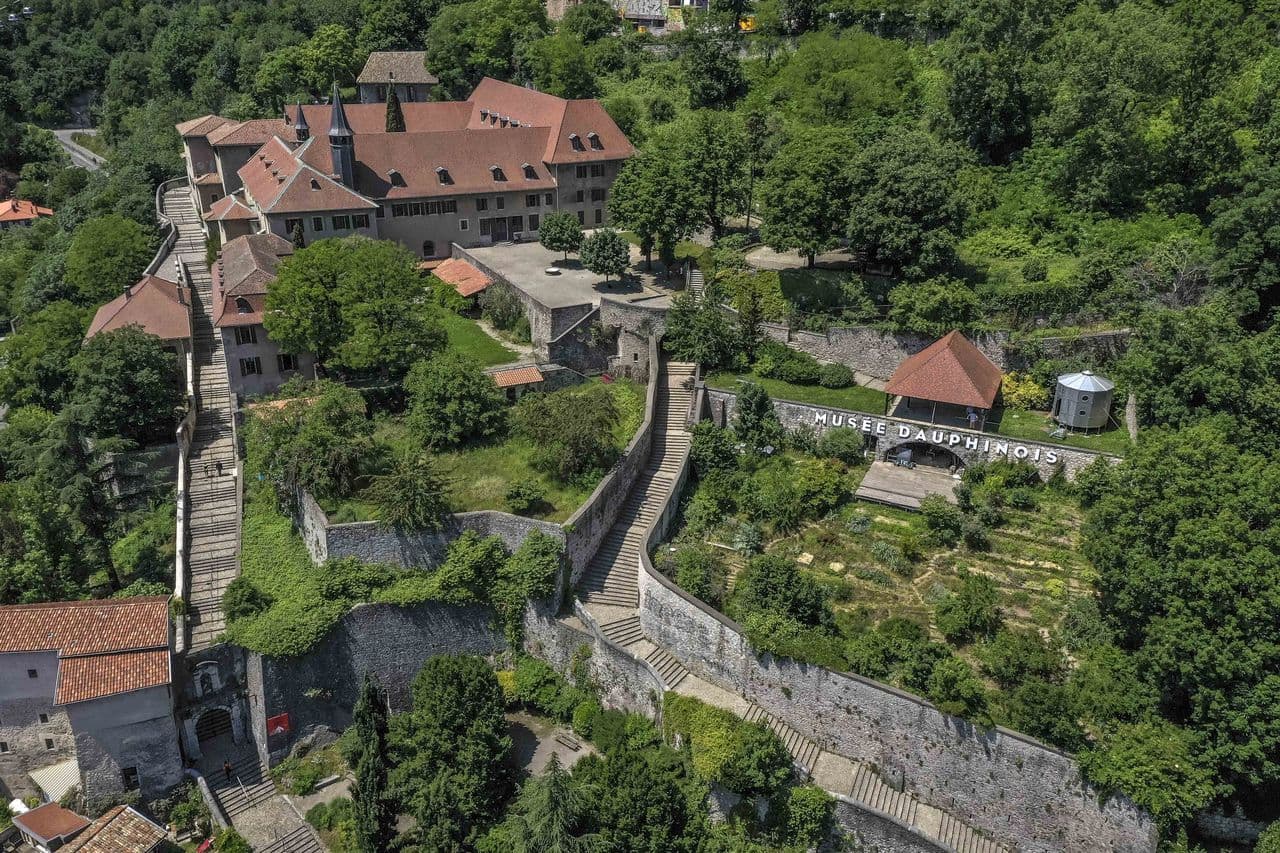
Dauphinois Museum
Landmark
Set in a former convent of Poor Clare nuns on montée de Chalemont, this museum tells the story and traditions of the Dauphiné region. The interior garden with views over the Isère is an underrated haven of peace. Wikipedia (fr) - CC BY-SA
Grenoble Museum of Fine Arts
Landmark
One of France's largest art museums outside Paris, showcasing works by Picasso, Matisse, Monet and Chagall. Often underestimated by hurried visitors, it's a genuine cultural gem. Wikipedia (fr) - CC BY-SA
Perret Tower
Landmark
Built for the 1925 International White Coal Exhibition, this 95-metre reinforced concrete tower was Europe's first skyscraper. Listed as a historic monument, it commands the centre of Parc Paul Mistral.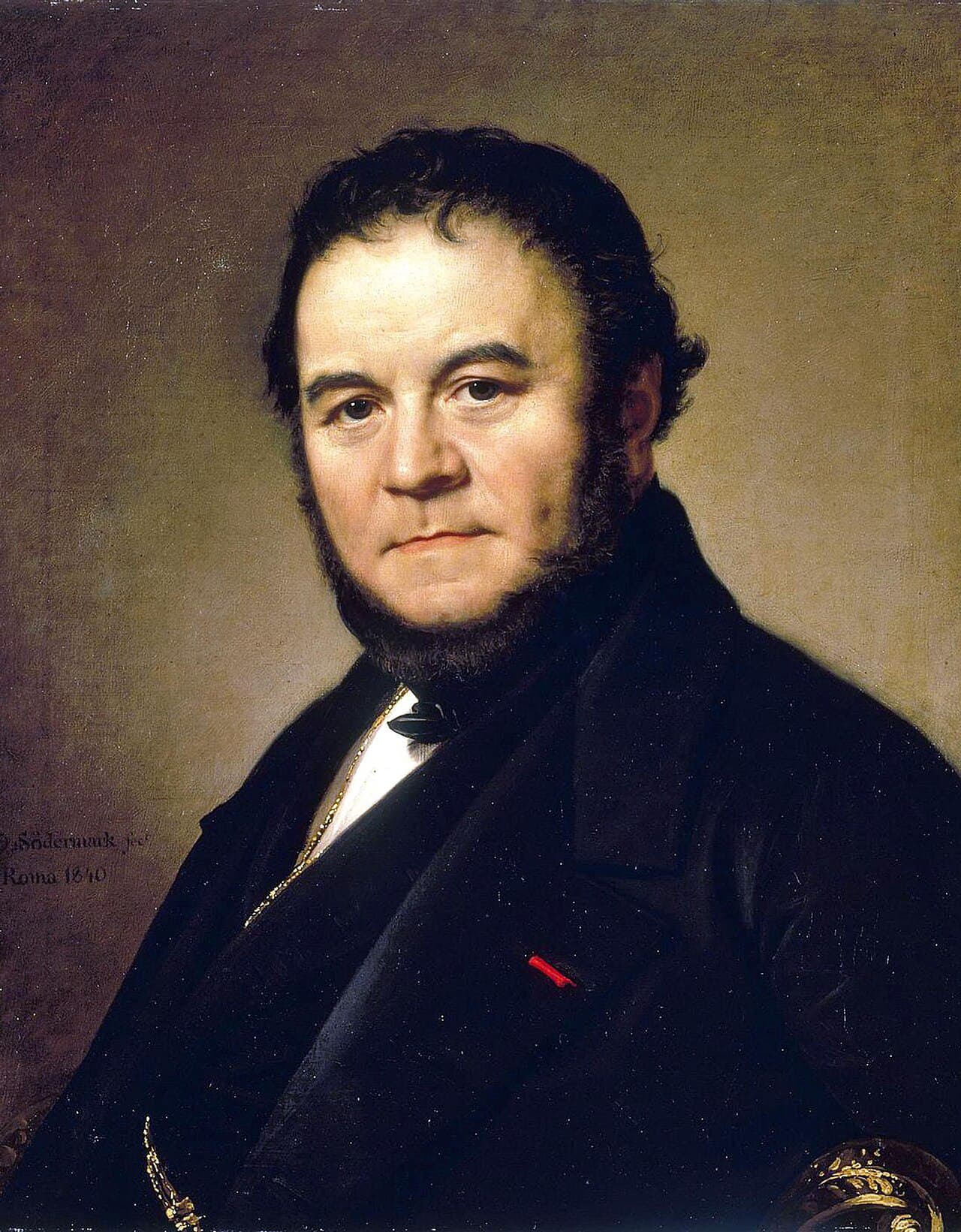 Wikipedia (fr) - CC BY-SA
Stendhal House
Landmark
The birthplace of writer Henri Beyle, known as Stendhal, in old Grenoble. An intimate museum that transports you back to the bourgeois atmosphere of 18th-century Grenoble, often quiet and wonderfully pleasant to visit. Wikipedia (fr) - CC BY-SA
Place Saint-André
Landmark
Grenoble's historic heart, dominated by the Dauphiné Parliament Palace and the Saint-André Collegiate Church. Café terraces spill across the square as soon as the weather turns—the atmosphere is unmistakably local. Wikipedia (fr) - CC BY-SA
Grenoble Bastille
Landmark
A 19th-century fortress perched at 476 metres, commanding views over the entire city and three Alpine massifs. Reach it on foot via the Fort Trail or by cable car from the Isère's edge for a truly stunning panorama. Wikipedia (fr) - CC BY-SA
Former Bishop's Palace - Museum of Isère History
Landmark
A medieval episcopal palace transformed into a museum of Isère's history, with the remains of a 4th-century early Christian baptistery in the basement. A journey of 2,000 years beneath the centre-ville. Wikipedia (fr) - CC BY-SA
Collegiate Church of Saint-André, Grenoble
Landmark
Founded in the 13th century by the Dauphin André of Burgundy, this Gothic collegiate church houses the mausoleum of the knight Bayard. A quiet place of reflection amidst the bustle of the square. Wikipedia (fr) - CC BY-SA
Saint-Laurent Archaeological Crypt
Landmark
Beneath the Church of Saint-Laurent lies one of France's best-preserved early Christian crypts, with 6th-century sarcophagi visible in situ. An exceptional archaeological site, remarkably little known.Nature & parks (3)
 Wikipedia (en) - CC BY-SA
Paul Mistral Park
Nature
A 34-hectare green space right in the city centre, a legacy of the 1968 Winter Olympics. The Perret Tower, Europe's first reinforced-concrete skyscraper, stands at its heart — perfect for jogging, picnicking or simply catching your breath.Isère Riverbanks - Perrière and Jongkind Quays
Nature
The remodelled Isère embankments are the favourite playground of Grenoblois: jogging, cycling, picnicking with views of Belledonne reflected in the water. Summer evenings are particularly lively along the banks.Town Garden
Nature
A 17th-century French formal garden nestled between Place Grenette and the Isère embankments. Hundred-year-old plane trees provide welcome shade in summer, and locals come to read and lunch on the grass.Viewpoints (2)
 Wikipedia (en) - CC BY-SA
Moucherotte Viewpoint
Viewpoint
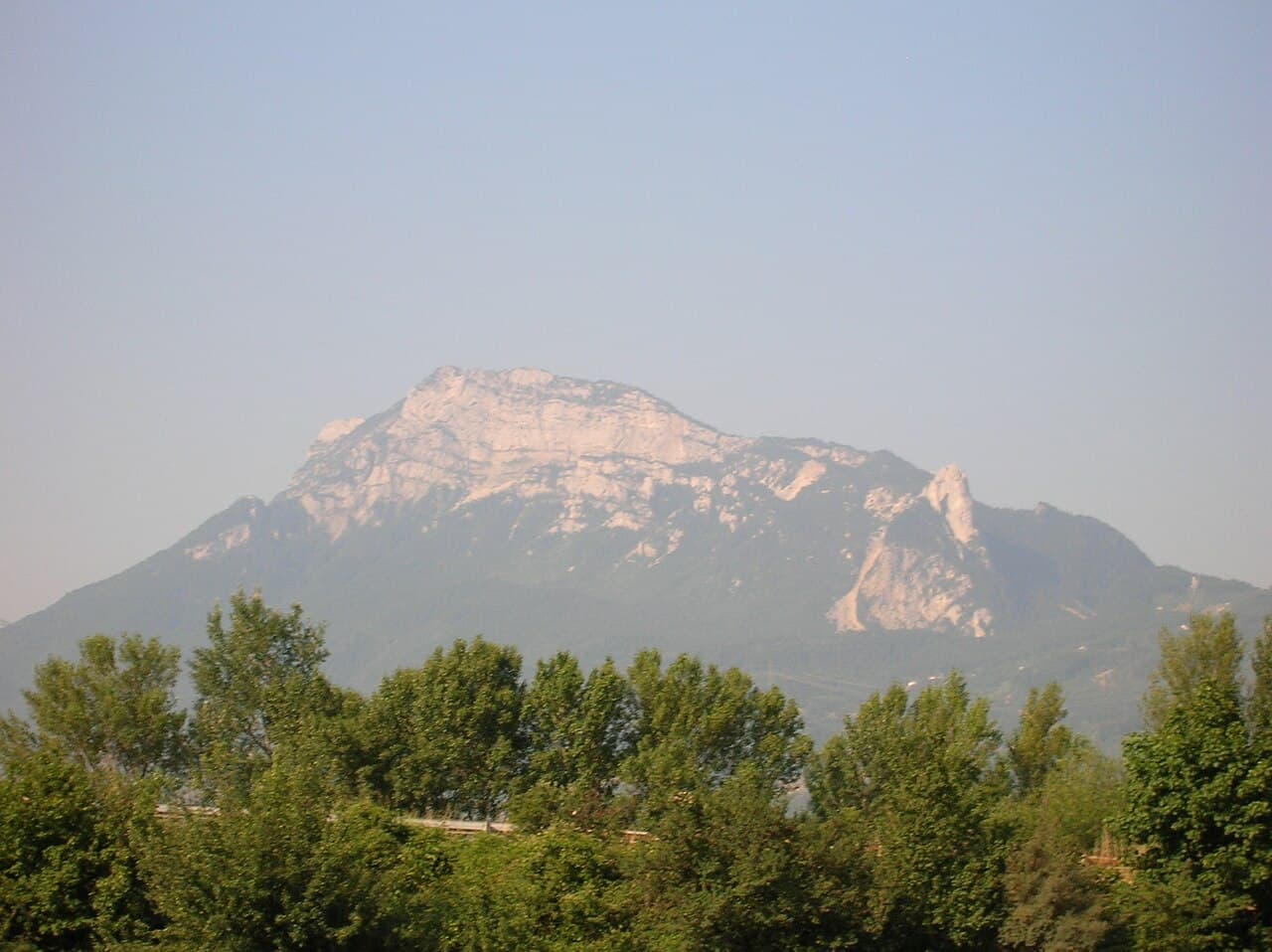
A summit at 1,901m accessible from Grenoble, offering a 360° panorama over the Vercors, Belledonne and Chartreuse ranges. Locals climb it in snowshoes in winter or trail-run in summer — no tourists, just authentic adventure.Four Lords Viewpoint
Viewpoint
A viewpoint reached on foot from the city centre (45 minutes uphill) on the heights of Saint-Martin-le-Vinoux. Sweeping views over the entire Grenoble conurbation and the Alpine basin — the city's finest sunset spot.Activities (4)
 Wikipedia (fr) - CC BY-SA
Museum of Resistance and Deportation of Isère
Activity
Grenoble was a major stronghold of the French Resistance—this museum tells that story through a striking collection of documents and artefacts. An essential act of remembrance to grasp the city's soul.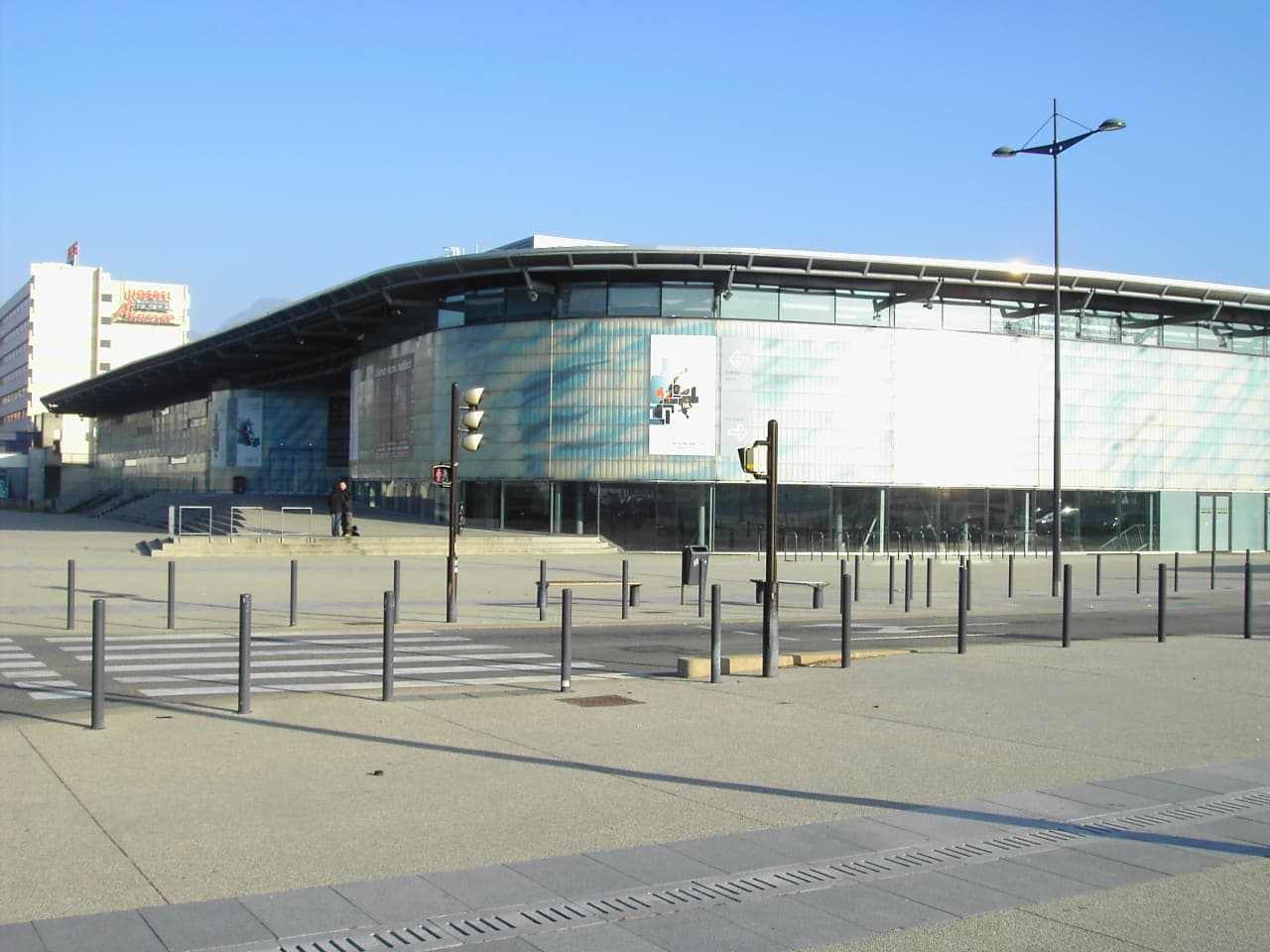 Wikipedia (fr) - CC BY-SA
Pôle Sud Ice Rink
Activity
An Olympic ice complex inherited from the 1968 Games, open to the public year-round for skating sessions. Grenoble families bring their children here, and students gather at weekends. Wikipedia (fr) - CC BY-SA
Bastille Cable Car (The Bubbles)
Activity
Inaugurated in 1934, France's oldest urban cable car still operates with distinctive spherical cabins nicknamed 'the bubbles'. The crossing above the Isère and Grenoble's rooftops remains an unforgettable experience.Stade des Alpes
Activity
A modern 20,000-capacity stadium opened in 2008, home to Grenoble Foot 38. Attending a Ligue 2 match here means experiencing Grenoble's football passion in an authentic, grassroots atmosphere.More to discover (2)
 Wikipedia (fr) - CC BY-SA
Saint-Laurent Bridge and Quarter
Place
Grenoble's oldest bridge connects the centre to the former tanners' and potters' quarter, now undergoing vibrant renewal with trendy bars and restaurants. Come evening, it's the city's liveliest neighbourhood.Championnet Quarter - Rue Chenoise
Place
A pedestrian thoroughfare in old Grenoble lined with independent art galleries, second-hand bookshops and local designer boutiques. The city's bohemian heart, conspicuously overlooked by tourist guides.