
🇫🇷 France · Places to discover
What to see in Pau ?
23 places curated by Hozy - landmarks, nature, hidden restaurants and activities.
MAP · OVERVIEW
Pau derives its singularity from a rare position: from the Boulevard des Pyrénées, the mountain chain stretches 400 kilometres as a permanent backdrop. Birthplace of Henri IV, it once attracted British aristocracy who left behind a golf course, Victorian villas and a certain way of taking time. The Château de Pau, remodelled under Louis-Philippe, anchors the historic centre without overwhelming it.
Spring and autumn offer the best conditions: views of the peaks are sharper than in summer, when heat haze clouds everything. Two days are enough to explore the city, but add a day if you're heading into the Ossau valley. The train from Bordeaux or Toulouse is convenient and sidesteps parking headaches in town. Don't concentrate your stay on the château alone: the Hédas quarter below deserves just as much attention.
Landmarks & heritage (8)
 Wikipedia (fr) - CC BY-SA
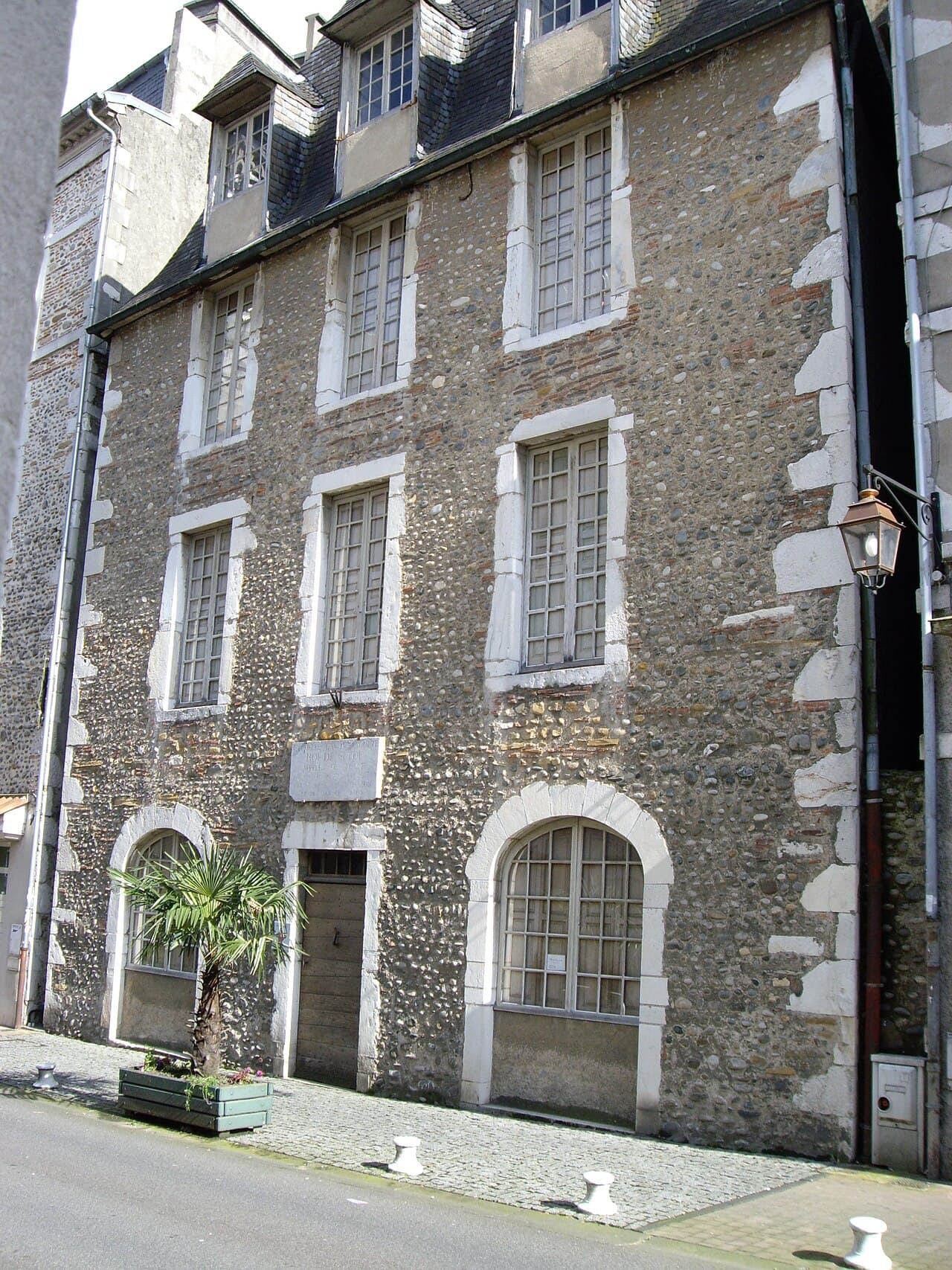
Bernadotte Museum
Landmark
The birthplace of Jean-Baptiste Bernadotte, an advocate's son from Pau who rose to become King of Sweden as Charles XIV Johan. A romantic tale told within an elegant 18th-century townhouse. Wikipedia (fr) - CC BY-SA
Museum of Fine Arts of Pau
Landmark
A small museum with surprisingly fine collections: a Rubens, an El Greco and above all the celebrated painting 'The Punishment of a Vestal' by Delaroche. A nationally significant museum, often overlooked by hurried visitors. Wikipedia (fr) - CC BY-SA
Palais Beaumont
Landmark
A Belle Époque edifice erected in 1900 to receive wealthy British winter visitors, now a conference centre. Its neoclassical façade within Parc Beaumont stands as one of Pau's finest architectural landmarks. Wikipedia (fr) - CC BY-SA
Church of Saint-Jacques de Pau
Landmark
A waypoint on the Compostela route via Béarn, this 19th-century church marks the start of the Piedmont Pyrenean way. Its bell tower, visible from the boulevard, serves as an architectural landmark for the city centre. Wikipedia (fr) - CC BY-SA
Church of Saint-Martin de Pau
Landmark
A striking neo-Gothic edifice from the 19th century whose steeple dominates the Hédas Quarter. Inside, remarkable polychrome stained glass and a rare sense of contemplation in the heart of the city await. Wikipedia (fr) - CC BY-SA
Villa Ridgway
Landmark
A handsome Victorian villa from the late 19th century, testament to the English winters once fashionable in Pau. Its period façade in the residential Trespoey quarter perfectly captures the era when Pau was the Pyrenees' 'English capital'.Pau Castle National Museum – Royal Apartments
Landmark
Beyond the façade, the castle's private chambers preserve the giant tortoise that allegedly served as Henri IV's cradle, alongside extraordinary Empire furnishings. A guided tour is essential.Château de Pau
Landmark
Birthplace of Henri IV, this royal castle dominates the city from a prominent ridge. Its richly furnished apartments and exceptional collection of Gobelins tapestries rank it among the finest châteaux of the South-West.Nature & parks (4)
 Wikipedia (fr) - CC BY-SA
Beaumont Park
Nature
A 10-hectare English-style park designed in the late 19th century for British winter visitors. Its centuries-old cedars, Belle Époque casino and rose garden create a unique green haven in the city centre.Bastard Forest
Nature
An urban woodland of 100 hectares on the city's doorstep, crisscrossed with marked trails and mountain-bike tracks. Locals come here to run, walk their dogs or simply breathe beneath the oaks and pines.Pau Castle Park
Nature
A formal French garden descending in terraces above the Gave de Pau, planted with century-old limes and chestnuts. The vista of the Pyrenees from the lower terrace ranks among the city's finest outlooks.Gave de Pau – Riverbanks
Nature
The landscaped banks of the Gave offer an inviting stretch for walking and cycling with views of the Pyrenees. This accessible green space is beloved by local joggers in the early morning.Viewpoints (3)
 Wikipedia (fr) - CC BY-SA
Pic du Midi d'Ossau – View from Pau
Viewpoint
On clear days from the Boulevard des Pyrénées or the castle terrace, Pic du Midi d'Ossau (2884 m) stands out with its distinctive sugar-loaf silhouette. A free spectacle that alone merits the visit. Wikipedia (fr) - CC BY-SA
Boulevard des Pyrénées
Viewpoint
A 1.8 km promenade laid out under Napoléon III, offering exceptional panoramic views across the Pyrenees chain. On clear days, you can distinguish the Pic du Midi d'Ossau and the Pic du Midi de Bigorre.Belvédère de la Côte des Cordeliers
Viewpoint
A viewpoint less celebrated than Boulevard des Pyrénées yet equally breathtaking, perched above the gave. At sunset, the raking light across snow-capped peaks is a spectacle the people of Pau jealously keep to themselves.Activities (5)
 Wikipedia (fr) - CC BY-SA
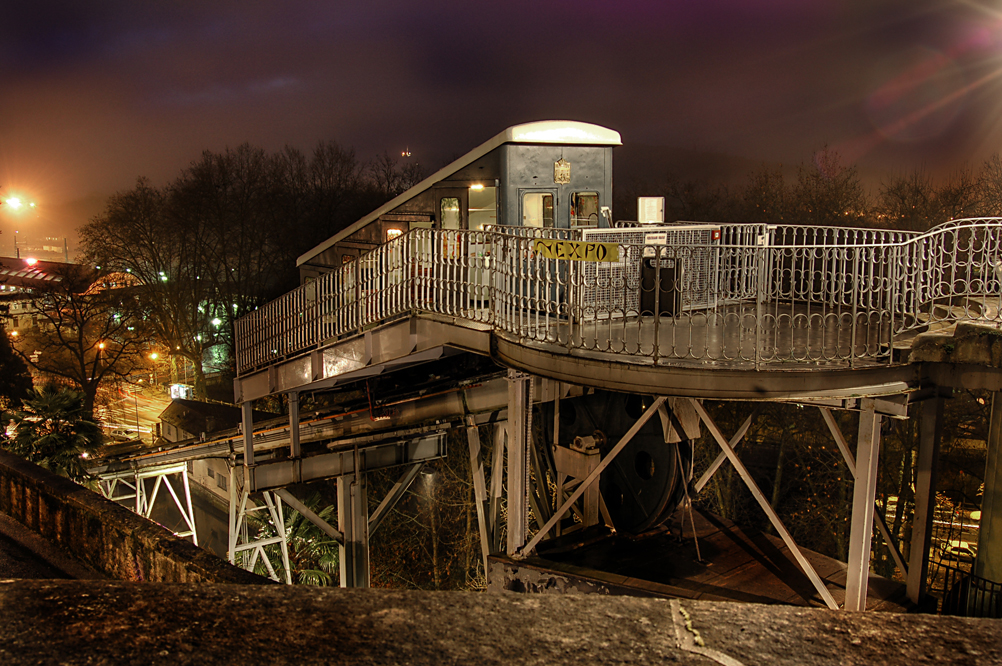
Pau Funicular
Activity
One of France's last free funiculars, this charming cable car whisks you from the lower station to the upper town in 45 seconds. A practical and historic connection between the lower city and the striking Boulevard des Pyrénées. Wikipedia (fr) - CC BY-SA
Jurançon Vineyard – Cave des Producteurs de Jurançon
Activity
A few kilometres from the centre, the Jurançon slopes yield one of south-west France's rare sweet white wines. The cooperative cellar offers guided tastings with views over the vines and Pyrenees.Stade du Hameau – Section Paloise
Activity
The historic home of Béarn rugby, where Section Paloise plays its Top 14 matches. Catching a game here immerses you in the region's rugby culture, surrounded by an enthusiastic and devoted crowd.Pau Circuit
Activity
One of Formula 1's oldest street circuits still in use, winding through Pau's streets since 1930. Outside Grand Prix weekends, you can walk or cycle the full circuit to experience the city's motorsport heritage.Pau Market – Halles de Pau
Activity
The covered market in the city centre brings together local producers, Pyrenean cheese makers and Béarnais charcutiers. Saturday mornings buzz with activity from foothill farmers and valley herders.More to discover (3)
 Wikipedia (fr) - CC BY-SA
Hédas Quarter
Place
The former bed of the Hédas stream, cleverly repurposed as a lively street carved into the rock. Its niche bars, colourful façades and village-like atmosphere make it the favoured haunt of locals seeking something different.Cave Jurançon – Clos Uroulat
Place
A family-run vineyard practising biodynamic viticulture, producing exceptional dry and sweet Jurançon wines. Charles Hours, an emblematic vintner, has established this clos as a world reference for white wines from the Pyrenean foothills.Rue du Moulin – Old Pau
Place
The commercial heart of old Pau, lined with half-timbered facades and independent shops. This is where the city's trading soul lives, away from chain stores, with delis, wine merchants and artisans.