
🇫🇷 France · Places to discover
What to see in Saint-Émilion ?
24 places curated by Hozy - landmarks, nature, hidden restaurants and activities.
MAP · OVERVIEW
Saint-Émilion is a medieval village perched on a limestone plateau at the heart of Bordeaux wine country, its economy entirely centred on viticulture since the Middle Ages. Its cobbled alleys, its monolithic church carved from living rock, and its négociants' mansions compose a coherent setting, without the artificial museification that threatens such UNESCO-listed sites. Viticulture here is no folklore: it still structures the daily lives of families cultivating grand cru classés.
The best period falls in September, during the vendanges, when the village recovers authentic activity far from summer crowds. Two days are sufficient to explore the site and surroundings on foot, the village being entirely navigable without a car. Avoid the main street shops selling over-priced wines aimed at tourists: prefer visits directly to properties such as Château Pavie or Château Ausone to purchase at fair prices.
Landmarks & heritage (10)
 Wikipedia (en) - CC BY-SA
Chapel of the Trinity
Landmark
A modest 13th-century Gothic chapel erected above the monolithic church, distinguished by an elegant polygonal apse. Rarely crowded, it ranks among the least-visited architectural gems of the site. Wikipedia (fr) - CC BY-SA
Hermitage of Saint-Émilion
Landmark
A troglodytic grotto where the hermit Émilion lived in the 8th century, at the origins of the settlement. This intimate pilgrimage site, carved into rock, features a spring renowned for its miraculous properties. Wikipedia (en) - CC BY-SA
Château Canon
Landmark
Grand Cru Classé B with renovated cellars and a historic monument-listed park featuring remarkable formal gardens. Less famous than its neighbours, it offers a more intimate wine tourism experience.Catacombs of Saint-Émilion
Landmark
Ninth-century underground necropolis carved beneath the village, featuring hundreds of tombs cut into limestone. A striking testament to the early monastic community of Saint-Émilion.Medieval Ramparts and Porte Brunet
Landmark
Well-preserved 13th-century fortifications encircling the old town. Porte Brunet on the northern side offers an entrance to the city as pilgrims bound for Santiago once knew it.Château du Roi
Landmark
A 13th-century royal residence built under Louis VIII and Louis IX, symbolising royal power over Guyenne. The edifice dominates the market square and retains its original vaulted chambers.Cloister of the Collegiate Church
Landmark
A 14th-century cloister adjoining the collegiate church, now hosting summer concerts and exhibitions. Its inner garden offers a tranquil refuge from the bustle of the surrounding lanes.Collegiate Church of Saint-Émilion
Landmark
An imposing Romanesque and Gothic church founded in the 12th century, with a remarkable adjoining cloister. The interior frescoes and carved capitals reward careful attention.Tour du Roy
Landmark
A 13th-century keep, Saint-Émilion's tallest tower and former royal residence of Louis VIII. From its summit, an exceptional panorama unfolds across UNESCO-listed vineyards and the village below.Monolithic Church of Saint-Émilion
Landmark
An underground church hewn from limestone bedrock between the 9th and 12th centuries, among Europe's largest. A fascinating space accessible only by guided tour from the Tourist Office.Nature & parks (4)
 Wikipedia (fr) - CC BY-SA
Château Pavie Vineyard
Nature
Premier Grand Cru Classé A whose limestone terraces command the Saint-Émilion hillside. Walking the viticultural paths around the château provides an open-air lesson in geology and viticulture.Côte de Pressac and its Limestone Hillsides
Nature
The appellation's eastern slope, less frequented than the paved côte, with paths winding through the vines offering views towards Saint-Christophe-des-Bardes. A wild corner where lizards outnumber tourists.Cazelon Forest and Pond
Nature
A wooded and wetland area within 5 km of the village, a biodiversity haven in a landscape dominated by vines. This little-known natural respite is ideal for birdwatching and tranquility.Vineyard Trail of Chemin des Vignes
Nature
A well-marked 8 km walking loop departing from Saint-Émilion, traversing the parcels of the Grand Cru vineyards. The finest way to grasp the mosaic of the appellation's clay-limestone and sandy terroirs.Viewpoints (4)
 Wikipedia (fr) - CC BY-SA
View from Château Ausone
Viewpoint
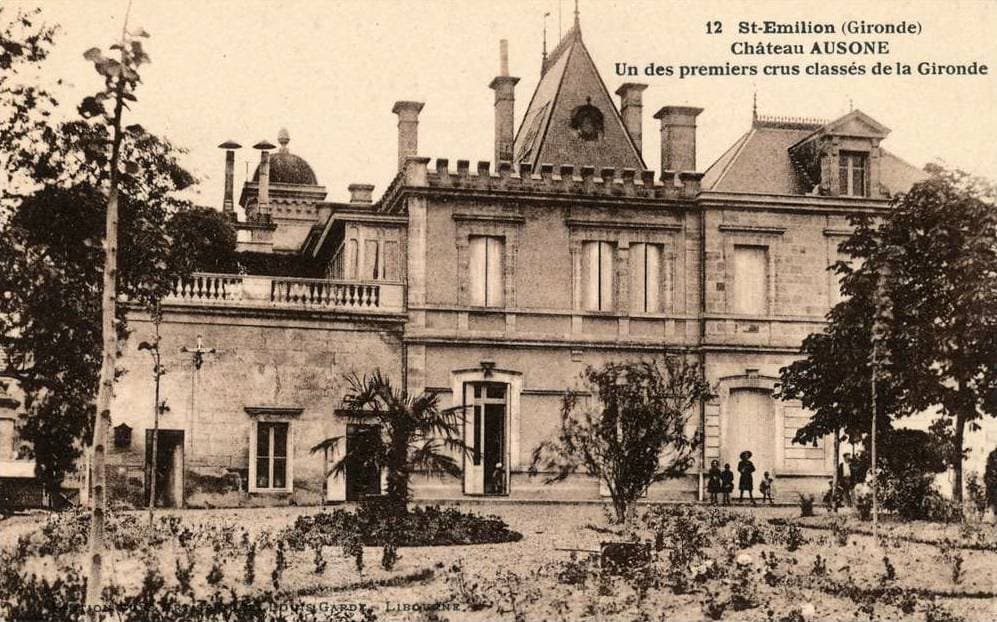
The hillside of Château Ausone, Premier Grand Cru Classé A, offers a natural vantage point over the Dordogne valley. The old merlot and cabernet franc vines clinging to the rocky slopes are a sight to behold. Wikipedia (fr) - CC BY-SA
Panorama from Tertre de la Tente
Viewpoint
A natural vantage point above the village offering one of the finest views across the UNESCO-classified Saint-Émilion vineyard. Particularly magical at golden hour, when the vine rows shimmer in the evening light.Château Troplong Mondot and Terrace
Viewpoint
Premier Grand Cru Classé B perched at the highest point of the limestone plateau, with a terrace offering the widest panorama across the entire appellation. The contemporary cellar contrasts strikingly with the century-old vines.Dordogne Valley from Montagne
Viewpoint
Heading towards the neighbouring village of Montagne, the road unfolds striking views of the Dordogne and its meanders across the plain. This natural setting explains why the Romans first planted vines here.Activities (6)
 Wikipedia (fr) - CC BY-SA
Tasting at Château Angélus
Activity
Premier Grand Cru Classé A whose striking vaulted cellar and commented tasting provide a complete sensory experience. The château's emblematic bell rings throughout the village at harvest time. Wikipedia (en) - CC BY-SA
Château Figeac Visit
Activity
Premier Grand Cru Classé A with spectacular vaults renovated by Mario Bellini, and a vineyard dominated by cabernet-sauvignon, a rare sight in the appellation. Guided tours of exceptional educational quality.Jurade of Saint-Émilion – Tower of the King Ceremony
Activity
Wine fraternity founded in 1199, whose harvest proclamation ceremonies from the Tower of the King are a memorable spectacle each third Sunday in September. A living ritual rooted in history.Sunday Morning Market Square
Activity
Lively weekly market on the Clocher square where local producers sell cheese, foie gras, truffles and wines from Libournais. The place to shop like a local and chat with winemakers.Cycling Tour Through the Vineyard
Activity
Electric bike rental in the village to explore the wine routes towards Pomerol and Fronsac. The best way to cover the entire classified vineyard in a day, with stops at the châteaux.Underground Pottery Museum
Activity
Museum housed in galleries carved into limestone, charting the history of Gallo-Roman pottery in the region. An often-overlooked testament to pre-medieval life around Saint-Émilion.