
🇮🇹 Italy · Places to discover
What to see in Alghero ?
16 places curated by Hozy - landmarks, nature, hidden restaurants and activities.
MAP · OVERVIEW
Alghero is a Sardinian anomaly: this town on the north-west coast still speaks Catalan, a legacy of 14th-century Aragonese colonisation that shaped its architecture, cuisine and character. The centro storico, ringed by ochre ramparts that plunge directly into the Mediterranean, functions as a self-contained city, distinct from the rest of Sardinia.
The best period extends from May to June or September to October, when the heat is manageable and beaches less crowded. Two to three days suffice to explore the alleyways and reach the Grotta di Nettuno by boat from the harbour. Avoid organised excursions to the Riviera del Corallo beaches in August: prices double and the crowds render the experience hollow.
Landmarks & heritage (7)
 Wikipedia (it) - CC BY-SA
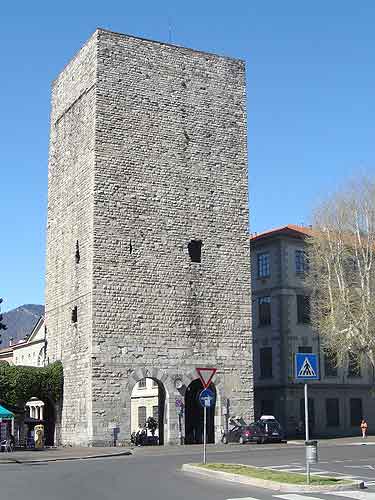
Torre di Porta Terra
Landmark
Fifteenth-century Aragonese tower, formerly the fortified city's main entrance gate. Now converted into an exhibition space, it offers attractive views across the rooftops of the old town.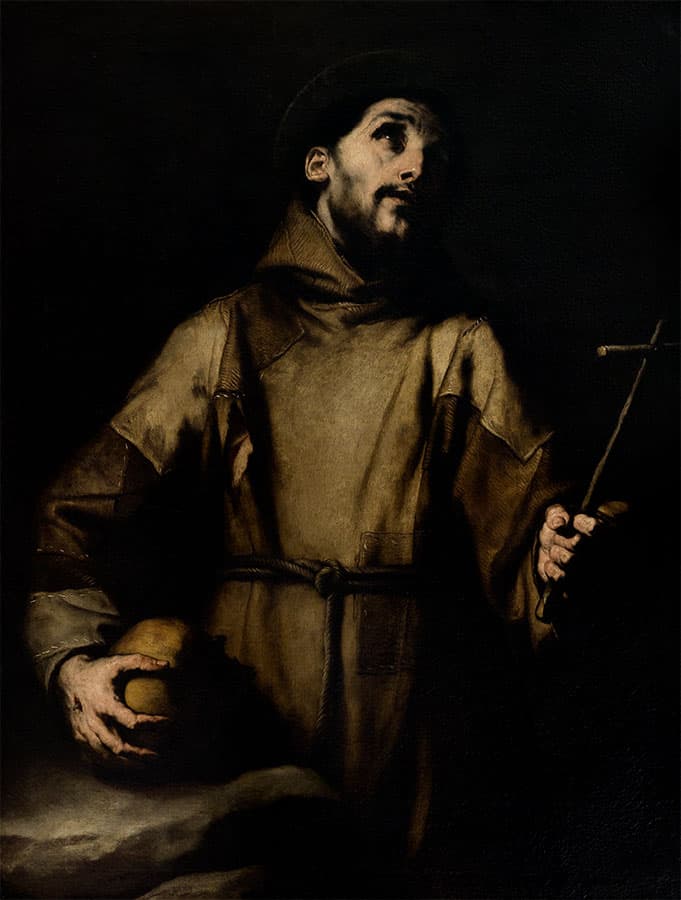 Wikipedia (it) - CC BY-SA
Church of San Francesco d'Assisi
Landmark
Catalan-Gothic church dating from the 14th century, featuring an exceptional Renaissance cloister often used for summer concerts. Among the finest preserved religious buildings in the city.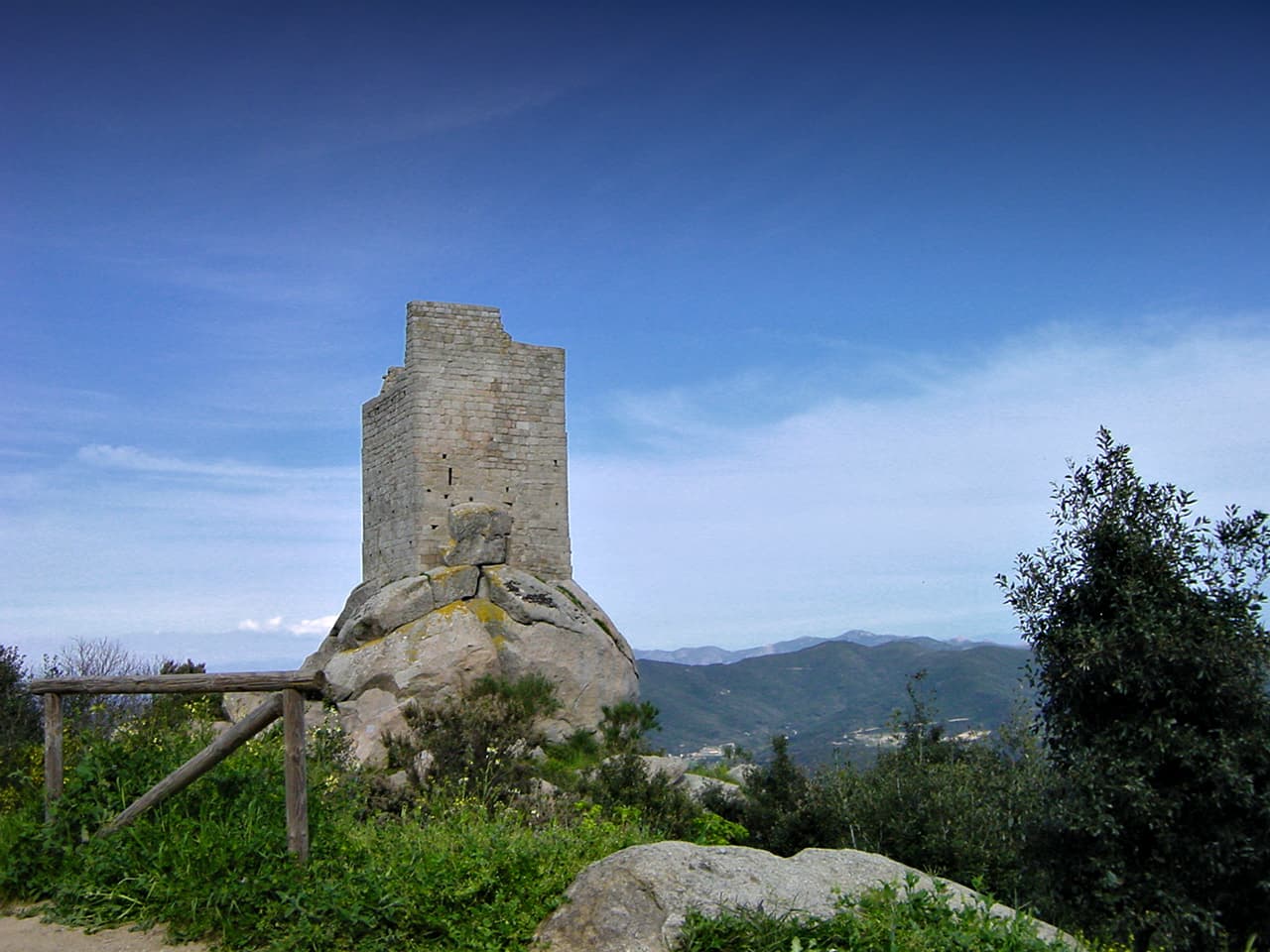 Wikipedia (it) - CC BY-SA
Torre di San Giovanni
Landmark
One of seven medieval towers punctuating Alghero's ramparts, this one overlooks the sea directly. A symbol of the city's Catalan defences, it remains in excellent condition. Wikipedia (it) - CC BY-SA
Necropoli di Anghelu Ruju
Landmark
Prehistoric necropolis with 38 hypogea carved from rock, dating to 3500 BC. One of Sardinia's most significant archaeological sites, just 10 km from Alghero. Wikipedia (fr) - CC BY-SA
Cathedral of Santa Maria Immacolata
Landmark
Sixteenth-century Gothic-Catalan cathedral at the heart of the old town, crowned by an emblematic octagonal bell tower. The interior blends Aragonese and baroque influences in a rare balance.Palazzo d'Albis
Landmark
Catalan-Gothic palace from the 16th century where Charles V is said to have stayed in 1541, according to local tradition. Its sculpted façade overlooking Piazza Civica ranks among the old town's most striking.Bastioni Marco Polo
Landmark
Sixteenth-century ramparts encircling the old town on the seafront, perfect for an evening stroll at sunset. Locals have gathered here with a Campari in hand for generations.Nature & parks (2)
 Wikipedia (it) - CC BY-SA
Prunaiola Forest
Nature
Cork oak and mastic woodland in Alghero's hinterland, crisscrossed by unmarked hiking trails. Complete escape from the everyday, just 15 minutes from the centre and largely overlooked by tourists. Wikipedia (it) - CC BY-SA
Stagno di Calich
Nature
Coastal lagoon on Alghero's doorstep, a bird sanctuary harbouring flamingos, herons and egrets. The Roman bridge spanning it is a discreet yet authentic remnant of antiquity.Viewpoints (1)
Activities (3)
Civico Market of Alghero
Activity
The town's covered market, open each morning, where fishermen unload spider crabs, sea urchins and clams directly from their boats. The best place to buy artisanal bottarga and locally harvested red coral.Sea Kayaking around the Ramparts
Activity
Paddling past Alghero's medieval ramparts by sea kayak at sunrise is an unforgettable experience. Several rental shops along the Lido offer guided sunset outings that pass beneath the Aragonese towers.Boat Trip to Capo Caccia
Activity
Boat excursion from Alghero harbour to Grotta di Nettuno, with swimming stops in otherwise inaccessible coves. The local Navisarda cooperative boats offer the best value packages.Beaches (1)

More to discover (2)
 Wikipedia (it) - CC BY-SA
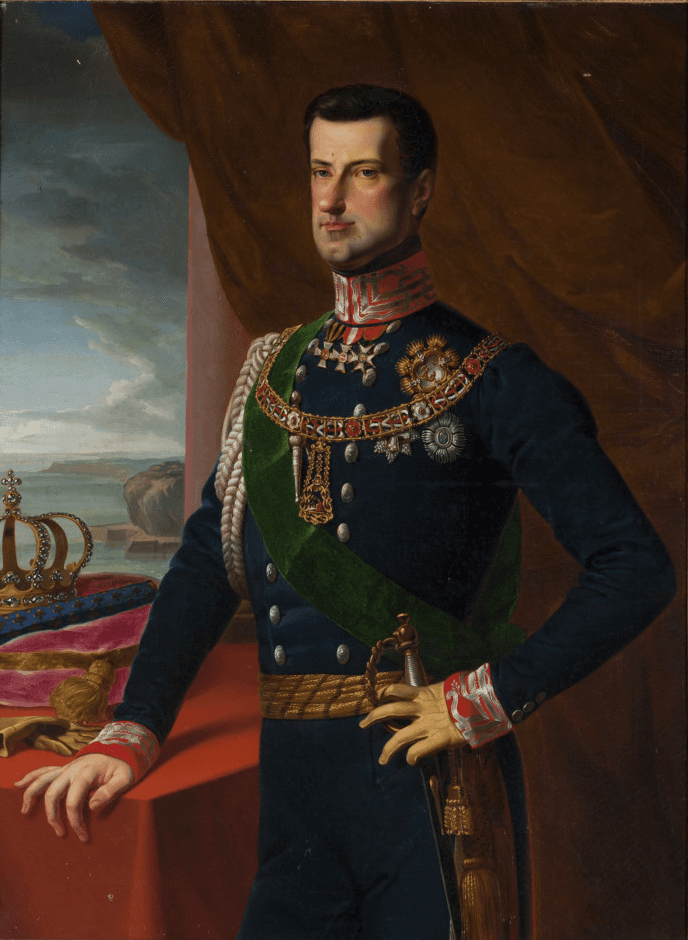
Via Carlo Alberto
Place
The main thoroughfare of the old town, paved in white limestone and lined with local artisan shops selling red coral, Sardinian ceramics and myrtle liqueurs. Avoid the chains and seek out family workshops. Wikipedia (en) - CC BY-SA
Piazza Civica
Place
The historic heart of the old Catalan quarter, ringed by medieval palaces and timeworn bars. In the evening it becomes the living room of Alghero: children playing, elderly folk on benches, bustling terraces.