🇮🇹Italy · Places to discover
What to see in Cagliari?
25 places selected by the community - landmarks, nature, hidden restaurants and activities.
Cagliari is part Mediterranean port, part rocky hilltop town, perched on its limestone hills above the Gulf of Angels. The Castello quarter, ringed by Pisan ramparts, concentrates much of Sardinian identity: narrow alleys, yellow stone palaces, and a cathedral dating back to the thirteenth century. The city moves at its own pace, making no effort to charm at all costs.
Spring (April–May) and autumn remain your best windows: the heat is manageable and Poetto beach isn't yet overrun. Three days will see you through the city, though add another if you want to reach the flamingos in the Molentargius lagoons. City buses cover most things; avoid hiring a car in the centre-parking is a proper nightmare. Skip restaurants with laminated photographs: the decent places are always tucked away somewhere less obvious.
Landmarks & heritage
11 places
 1Wikipedia · CC BY-SA
Landmark
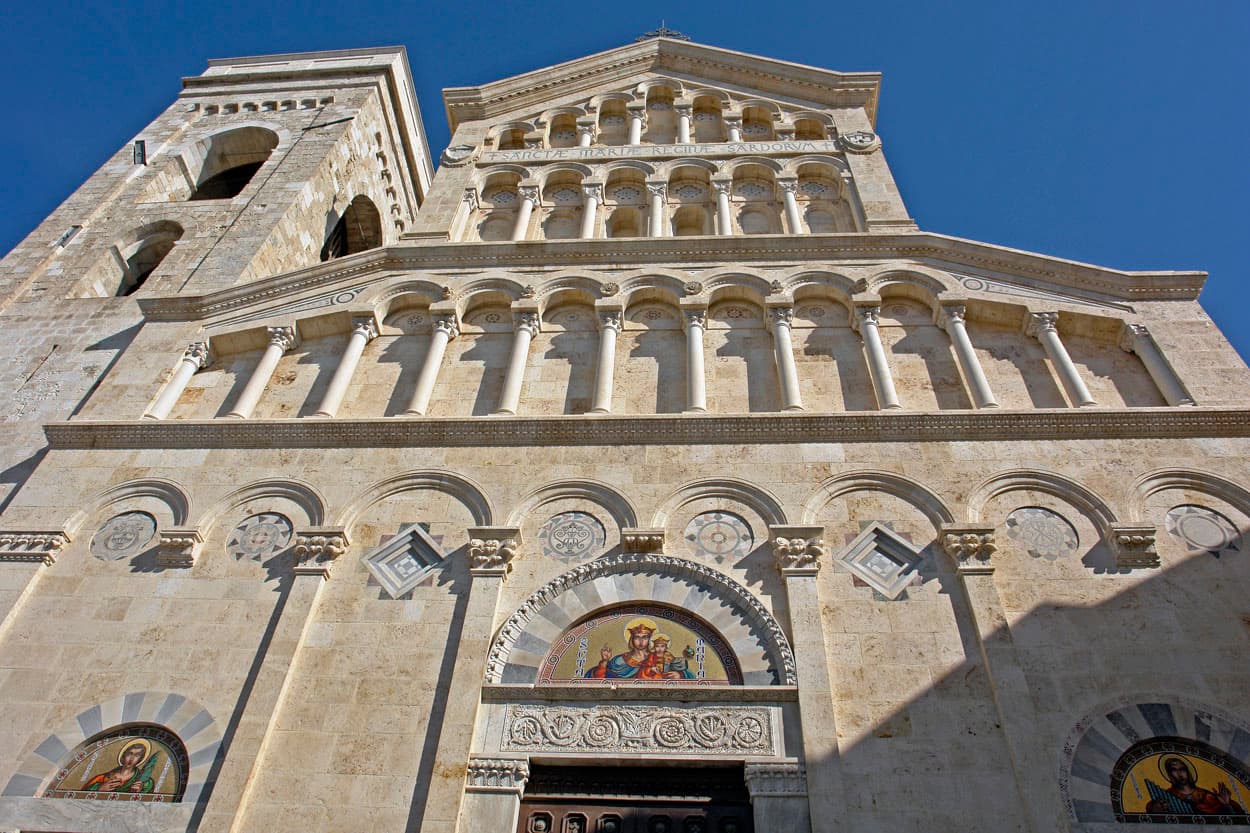
Cathedral of Santa Maria di Castello
Romanesque-Pisan cathedral remodelled in the Baroque style, housing intricately carved 13th-century pulpits and the crypt of the martyrs. The interior reveals a fascinating accumulation of styles that the façades scarcely hint at.
 2Wikipedia · CC BY-SA
Landmark
Tower of San Pancrazio
Cagliari's tallest Pisan tower, commanding a 360-degree panorama of city and sea from its summit. Built in 1305, its interior architecture remains strikingly visible from within.
 3Wikipedia · CC BY-SA
Landmark
Santuario di Bonaria
A Catalan Gothic sanctuary from the fourteenth century perched on the Bonaria hilltop, revered by Mediterranean seafarers for centuries. The vista across the port and sea from the esplanade ranks amongst the city's finest.
 4Wikipedia · CC BY-SA
Landmark
Bonaria Monumental Cemetery
A nineteenth-century necropolis lined with neoclassical and Art Nouveau mausoleums—an open-air museum of funeral sculpture in its own right. Locals favour Sunday morning strolls amongst its dignified avenues.
 5Wikipedia · CC BY-SA
Landmark
Necropoli di Tuvixeddu
The world's largest Punic necropolis, carved into Cagliari's limestone hillside and containing hundreds of visible burial shafts. An extraordinary archaeological site in the heart of the city, still remarkably quiet.
 6Wikipedia · CC BY-SA
Landmark
Castello District
The medieval citadel perched on its limestone crag, with narrow winding streets, noble palaces and artisan workshops. Wandering its alleyways early in the morning, before the tour groups arrive, is an experience in itself.
 7Wikipedia · CC BY-SA
Landmark
Basilica of San Saturnino
One of the earliest Early Christian basilicas in the western Mediterranean, dating to the 5th century. Tucked away in a quiet garden in the Villanova quarter, it escapes the notice of hurried visitors.
 8Wikipedia · CC BY-SA
Landmark
Bastione di Saint Remy
Monumental panoramic terrace overlooking the Stampace quarter and lagoon. Locals gather here in the evening for aperitivos, enjoying an unobstructed view across Cagliari's rooftops.
 9Wikipedia · CC BY-SA
Landmark
Roman Amphitheatre of Cagliari
Second-century Roman amphitheatre partly carved into limestone bedrock, one of Sardinia's finest surviving examples. On summer evenings, it hosts concerts in a uniquely atmospheric setting.
 10Wikipedia · CC BY-SA
Landmark
National Archaeological Museum of Cagliari
The essential museum for understanding nuragic, Punic and Roman Sardinia. Its collection of nuragic bronzetti figures ranks among the world's richest—diminutive figurines of astonishing modernity.
 11Wikipedia · CC BY-SA
Landmark
Tower of the Elephant
Fourteenth-century Pisan tower in the heart of the Castello quarter, distinguished by a small sculptured stone elephant on its street face. One of two grand medieval towers that define the upper town's silhouette.
Nature & parks
5 places
 12Wikipedia · CC BY-SA
Nature
Santa Gilla Lagoon
Vast lagoon to the city's west, one of Sardinia's largest wetland areas, teeming with herons, spoonbills and flamingos. An unspoilt and largely overlooked expanse just ten minutes from the centre.
 13Wikipedia · CC BY-SA
Nature
University of Cagliari Botanical Garden
Five-hectare university botanical garden founded in 1866, planted with Mediterranean and tropical species amidst Roman ruins. An oasis of cool shade and tranquillity in the heart of the city.
 14Wikipedia · CC BY-SA
Nature
Sella del Diavolo
Wild rocky headland overlooking Calamosca beach and the Bay of the Angels. The 45-minute climb to the summit rewards with sweeping panoramas across Cagliari's entire southern coast.
- 15
Nature
Nature
Terramaini - Anelli Park
Contemporary park with giant steel sculptures and green spaces where Cagliari families come to run and picnic. Far from the tourist circuit, it's where you'll find authentic neighbourhood life.
- 16
Nature
Nature
Molentargius Lagoon
Natural lagoon steps away from Poetto beach, home to wild flamingos that nest here in considerable numbers. A striking pink spectacle just minutes from the city centre.
Viewpoints
2 places
 17Wikipedia · CC BY-SA
Viewpoint
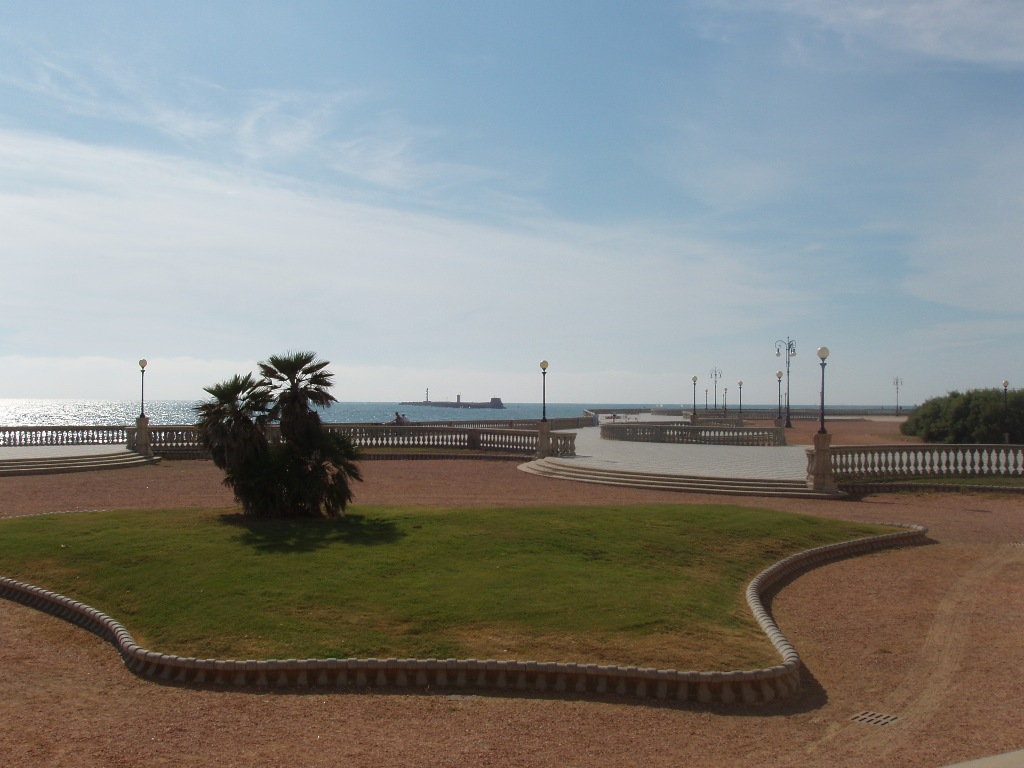
Belvedere della Passeggiata Coperta
Covered promenade on the Bastion of Saint Remy offering sweeping views over the Santa Gilla lagoon and the Sulcis mountains. The finest vantage point for sunset in Cagliari.
 18Wikipedia · CC BY-SA
Viewpoint
Forte di Sant'Ignazio
An eighteenth-century Spanish fortress crowning the Buoncammino ridge, commanding a sweeping 360-degree panorama of Cagliari, the lagoon and surrounding hills. Within walking distance of Castello yet blissfully overlooked by tourists.
Activities
5 places
 19Wikipedia · CC BY-SA
Activity
Galleria Comunale d'Arte di Cagliari
A museum of twentieth-century Sardinian art set within the Giardini Pubblici, housing a distinguished collection of paintings from the Cagliari school. Refreshingly quiet, it offers the rare luxury of standing alone before masterworks.
 20Wikipedia · CC BY-SA
Activity
Villanova District
Cagliari's vibrant, bohemian neighbourhood, characterised by colourful alleyways, ceramicists' studios and intimate natural wine bars. More alive and far less museified than Castello, this is where the city's creative heart truly beats.
- 21
Activity
Activity
Via Sardegna – Marina District
The heart of Cagliari's wine-bar culture in the Marina quarter, where locals gather for aperitivo over vermentino and bottarga. Refreshingly unpretentious, with modest prices and a genuine neighbourhood atmosphere.
- 22
Activity
Activity
Passeggiata lungo il Viale Regina Margherita
The evening promenade of Cagliari residents, lined with palms and Art Nouveau palaces, stretching from the port to piazza Yenne. Watching the local passeggiata at sunset is an unvarying ritual.
- 23
Activity
Activity
San Benedetto Market
Sardinia's largest covered market spread over two floors: fresh fish on the ground level, fruit, vegetables and cured meats upstairs. Arrive before 9am to watch fishermen unloading the red tuna.
Beaches
2 places
 24Wikipedia · CC BY-SA
Beach
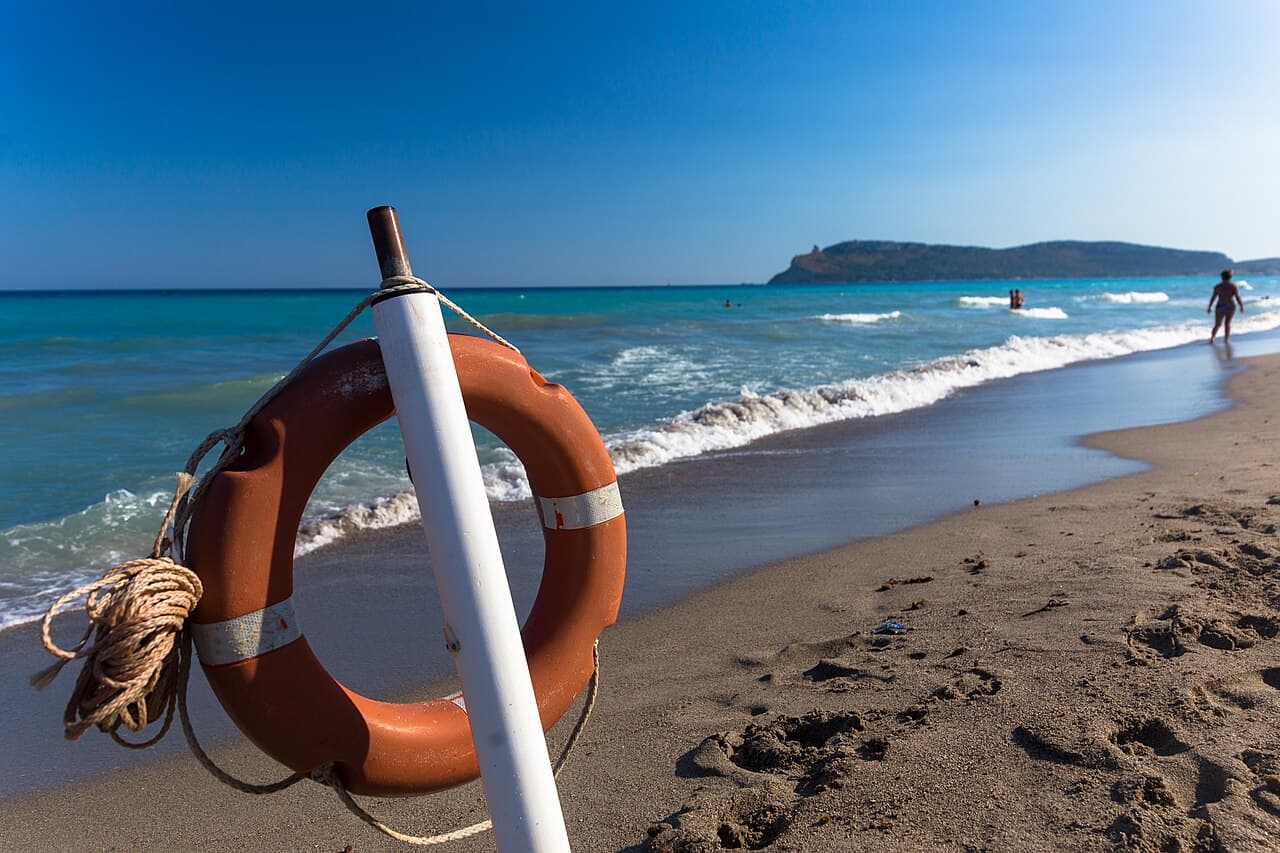
Poetto Beach
Cagliari's urban beach, stretching 8 km of fine sand where locals swim before work. Away from the crowded kiosks of high summer, the edges remain wonderfully wild and peaceful.
- 25
Beach
Beach
Calamosca Beach
A secluded cove nestled beneath the Sella del Diavolo, reached on foot or by bus and beloved by Sant'Elia residents. Crystal-clear waters and rocky outcrops await exploration, mercifully spared the crowds of Poetto.
Also 🇮🇹 in Italy


