
🇮🇹 Italy · Places to discover
What to see in Padoue ?
20 places curated by Hozy - landmarks, nature, hidden restaurants and activities.
MAP · OVERVIEW
Padua has lived in Venice's shadow for centuries, and that's precisely what preserves it. The city revolves around its arcades, markets and students - the university founded in 1222 still structures daily life. The Scrovegni Chapel, with its Giotto frescoes, justifies the trip alone, without the crowds that overwhelm comparable Italian sites elsewhere.
September and October offer ideal light and visitor numbers. Two days are enough to explore the centre on foot, including the Basilica of Saint Anthony and the Prato della Valle. Padua is just 12 minutes from Venice by regional train - no need to hire a car. Avoid restaurants immediately around the basilica: prices double for half the quality.
Landmarks & heritage (8)
 Wikipedia (it) - CC BY-SA
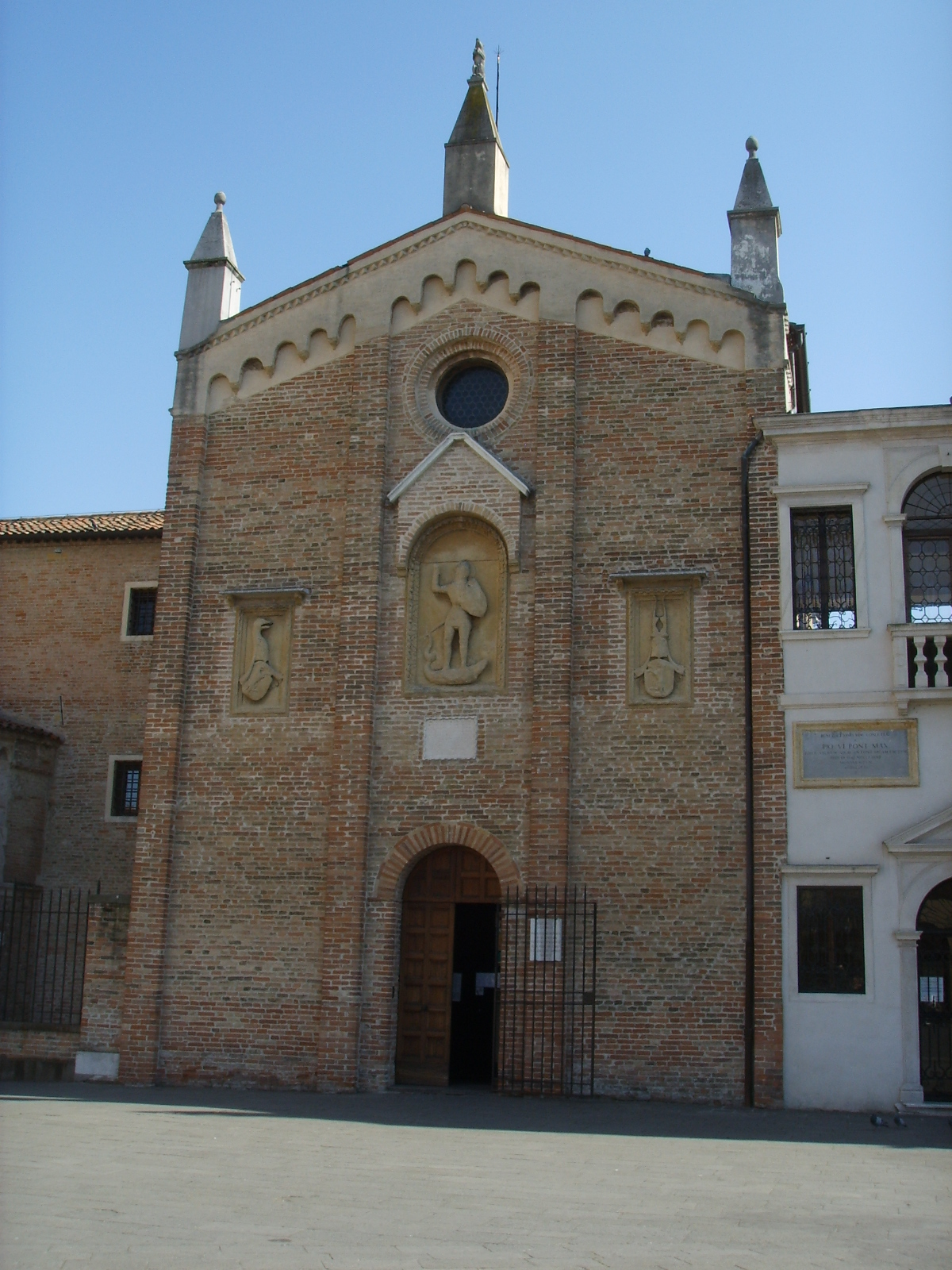
Oratory of San Giorgio
Landmark
A modest 14th-century oratory adjoining the basilica, decorated with frescoes by Altichiero da Zevio. Overlooked by hurried tourists, it remains a pinnacle of International Gothic painting.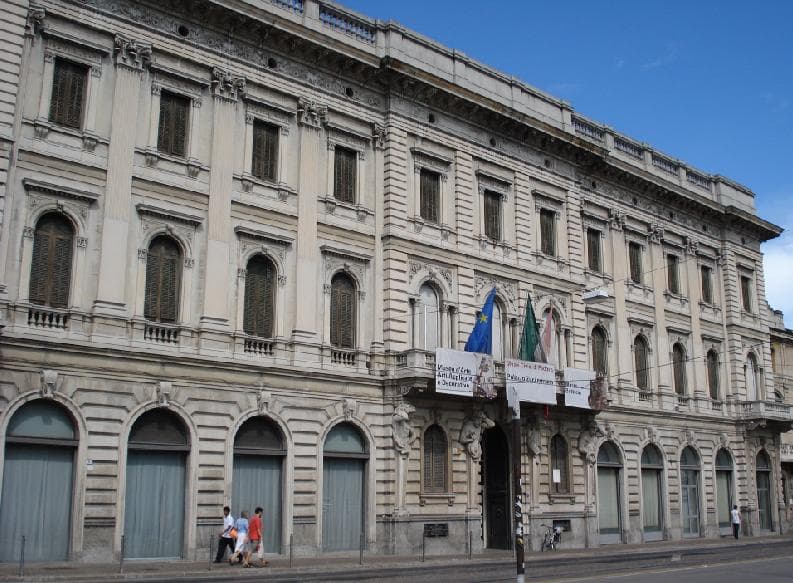 Wikipedia (it) - CC BY-SA
Palazzo Zuckermann
Landmark
A museum of decorative and applied arts housed in an early 20th-century Liberty palace. The ground-floor collection of medieval jewellery and coins is a genuine discovery for those who venture in.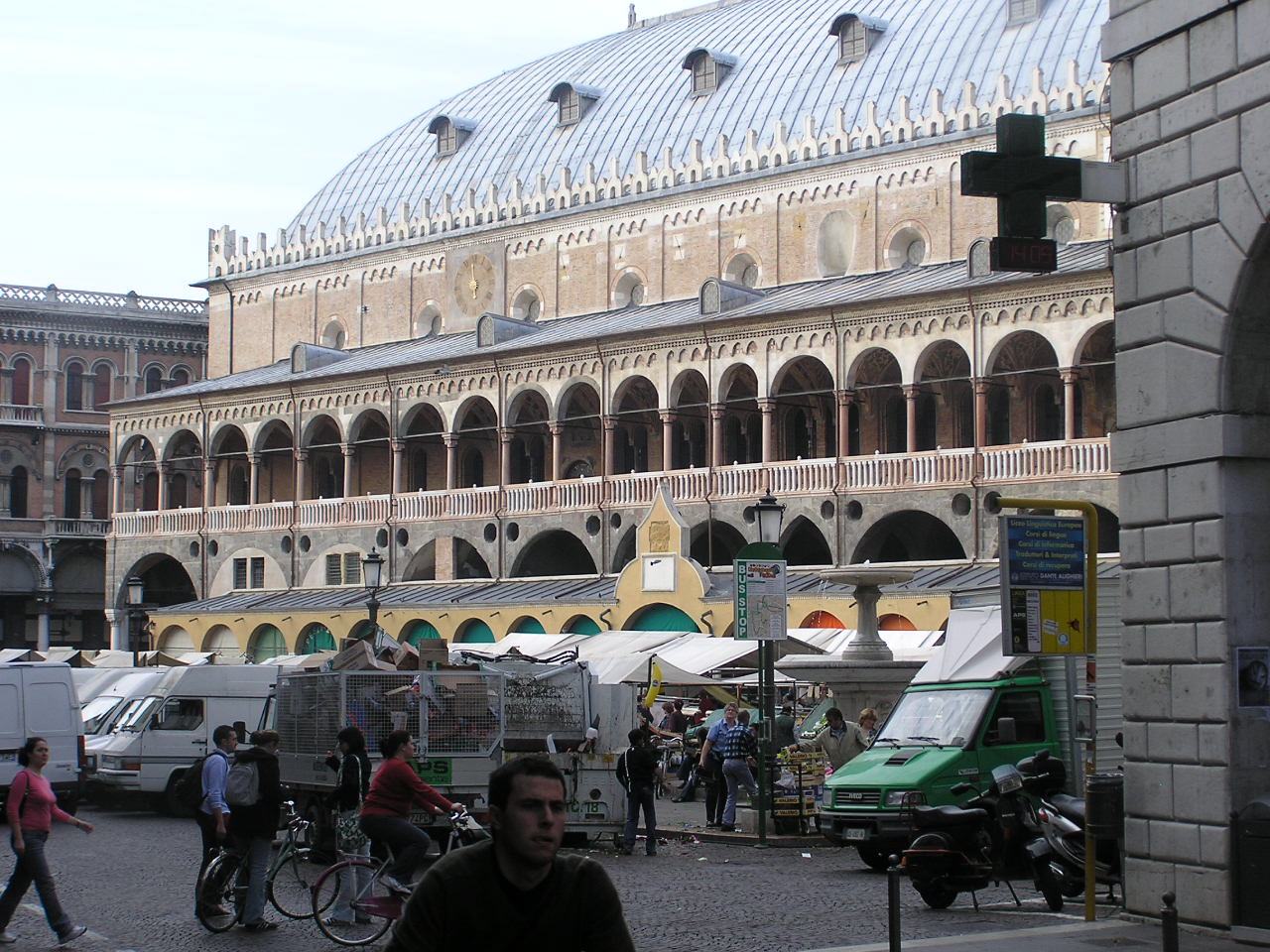 Wikipedia (fr) - CC BY-SA
Palazzo della Ragione
Landmark
Europe's largest medieval hall without interior columns, suspended above the markets of Piazza delle Erbe and della Frutta. The full-scale wooden horse inside never fails to surprise. Wikipedia (fr) - CC BY-SA
Scrovegni Chapel
Landmark
Giotto's absolute masterpiece (1304–1305), these frescoes transformed the course of Western art history. Advance booking essential, entry limited to 25 people at a time — every second is worth it. Wikipedia (fr) - CC BY-SA
Basilica of Sant'Antonio di Padova
Landmark
One of Christendom's greatest basilicas, a living place of pilgrimage rather than a static museum. A fascinating blend of Romanesque, Gothic and Byzantine architecture, housing the shrine of Saint Anthony. Wikipedia (fr) - CC BY-SA
Prato della Valle
Landmark
Europe's second-largest square, a baroque ellipse ringed by a canal and 78 statues. Paduans gather here in the evening to jog, stroll or simply breathe—entirely free from tourist theatre. Wikipedia (en) - CC BY-SA
Baptistery of Padua Cathedral
Landmark
Often overshadowed by the Scrovegni Chapel, this 14th-century baptistery shelters frescoes by Giusto de' Menabuoi of dizzying iconographic density. Fewer crowds, equally moving.Walls of Padua — Unicorn Bastion
Landmark
A UNESCO-listed stretch of 16th-century Venetian ramparts; the Unicorn Bastion offers commanding views across the moat and gardens. A favoured weekend haunt of locals seeking a stroll.Nature & parks (3)
 Wikipedia (it) - CC BY-SA
Parco Iris — East Industrial Zone
Nature
An urban park developed on a former industrial wasteland, featuring a pond and wetland areas. Little known to visitors, it's the favourite spring spot of amateur birdwatchers among Padua's locals. Wikipedia (it) - CC BY-SA
Arena Gardens
Nature
Public gardens adjoining the Scrovegni Chapel, built on the site of a former Roman amphitheatre. Perfect for a picnic after viewing the frescoes, removed from the city centre's bustle. Wikipedia (fr) - CC BY-SA
Botanical Garden of Padua
Nature
The world's oldest university botanical garden (1545), UNESCO-listed. Goethe's palm—a specimen dating to 1585 still thriving—ranks among Europe's most celebrated plants.Viewpoints (4)
 Wikipedia (it) - CC BY-SA
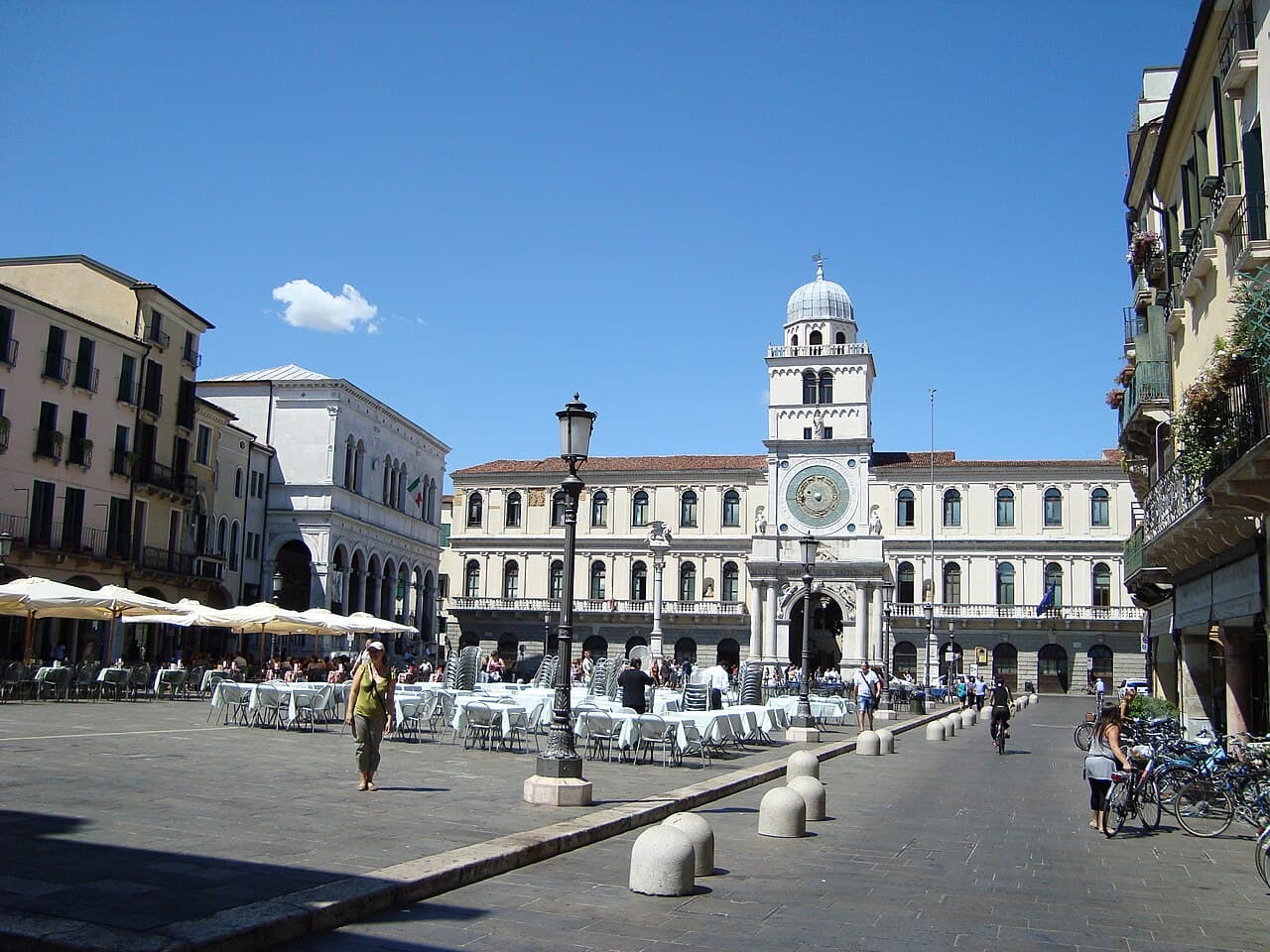
Torre dell'Orologio — Piazza dei Signori
Viewpoint
A 15th-century astronomical clock tower overlooking the handsome Piazza dei Signori, far less crowded than the major squares. The clock has displayed the hour, day, month and zodiac sign since 1344. Wikipedia (it) - CC BY-SA
Specola — Padua Astronomical Observatory
Viewpoint
A medieval tower converted into an astronomical observatory in the 18th century, one of Europe's oldest still operational. Night-time visits organised by the university offer a rare experience. Wikipedia (fr) - CC BY-SA
Ponte Molino — View over the Bacchiglione
Viewpoint
One of Padua's oldest bridges offers views of the Bacchiglione framed by colourful medieval houses. At sunset, the water's reflection rivals any Venetian postcard.Via Roma and Medieval Arcades
Viewpoint
Padua boasts Italy's longest network of covered arcades, stretching 65 km. A stroll beneath the porticoes of Via Roma and Via Cavour reveals how the city pioneered protected urban walking.Activities (4)
 Wikipedia (fr) - CC BY-SA
Università degli Studi di Padova — Palazzo del Bo
Activity
The second-oldest university in the Western world (1222), home to the world's first anatomical theatre (1594). Guided tours of the Palazzo del Bo reveal breathtaking Renaissance halls. Wikipedia (fr) - CC BY-SA
Museo degli Eremitani
Activity
Archaeological and medieval art museum adjoining the Eremitani church. Mantegna's frescoes, partially restored after the 1944 bombing raids, bear witness to painful history and exceptional talent.Piscine comunali — Zona Portello
Activity
The Portello municipal swimming pools are where Paduans gather in summer. Less glamorous than a beach, but this is where you understand the city's everyday life, far from the tourist circuit.Mercato di Piazza delle Erbe
Activity
Daily market under the arcades of the Palazzo della Ragione since the Middle Ages. Fruit, vegetables, local cheeses and cured meats—ideal for assembling a picnic with produce from the Paduan plain.