
🇮🇹 Italy · Places to discover
What to see in Pérouse ?
22 places curated by Hozy - landmarks, nature, hidden restaurants and activities.
MAP · OVERVIEW
Perugia perches on an Umbrian ridge like a city that never sought to appeal to mass tourism. Its medieval centre, organised around Piazza IV Novembre and the 13th-century Fontana Maggiore, functions first for its residents and students - the university has drawn people for centuries, and you feel it in the rhythm of the cafés and bookshops along Corso Vannucci.
Spring and autumn offer light and temperature that make walking pleasant, since Perugia is visited on foot or barely at all. The Minimetrò connects the lower car park to the centre in minutes, avoiding the hassle of parking in the heights. Two full days are enough not to skim over things. Avoid July if possible: the Umbria Jazz festival doubles prices and clogs the alleys without really improving the city.
Landmarks & heritage (10)
 Wikipedia (it) - CC BY-SA
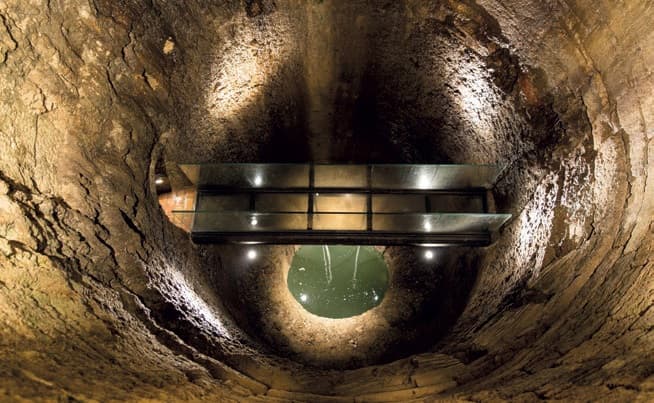
Pozzo Etrusco
Landmark
An Etruscan well from the 3rd century BC plunging 36 metres deep, hidden beneath Piazza Danti. Etruscan hydraulic engineering revealed in a fascinating and rarely visited underground chamber.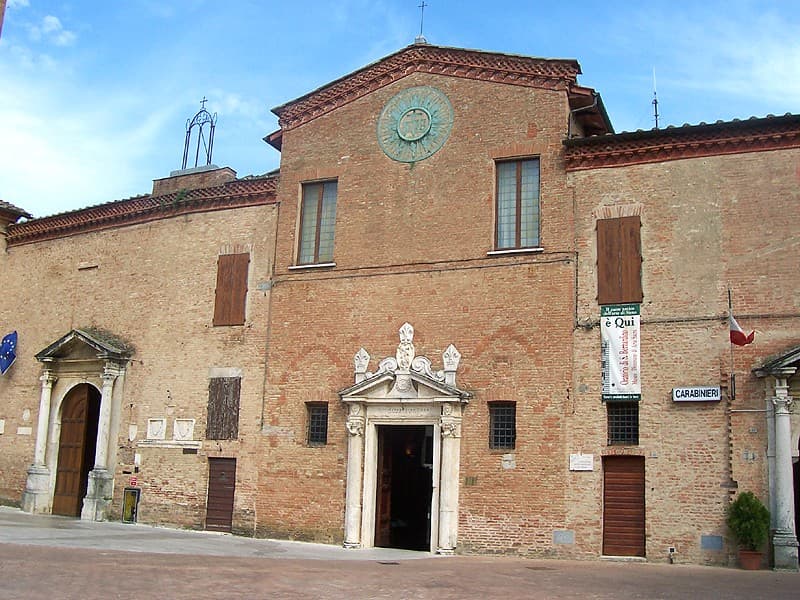 Wikipedia (it) - CC BY-SA
Oratorio di San Bernardino
Landmark
A 15th-century polychrome marble façade by Agostino di Duccio, considered one of the Renaissance sculpture masterpieces of Umbria. Often overlooked in favour of the major museums—a real mistake. Wikipedia (fr) - CC BY-SA
Palazzo dei Priori
Landmark
A 13th-century civic palace housing the Galleria Nazionale dell'Umbria, one of central Italy's finest collections of medieval and Renaissance art. The crenellated façade stands as a powerful symbol of medieval civic power. Wikipedia (en) - CC BY-SA
Church of Sant'Angelo
Landmark
A circular Early Christian church from the fifth century, among Italy's oldest, built atop a Roman temple and incorporating recycled antique columns. A place of silence and history, removed from the bustle of the centro. Wikipedia (it) - CC BY-SA
Arco Etrusco di Augusto
Landmark
A monumental Etruscan gate from the 3rd century BC still standing at the northern edge of the historic centre, topped by a Renaissance loggia. A striking testament to Perugia's remarkable urban longevity. Wikipedia (fr) - CC BY-SA
Rocca Paolina e Porta Marzia
Landmark
A 16th-century papal fortress built atop the ruins of an entire medieval quarter, now traversed by escalators. The Etruscan Porta Marzia embedded in the walls is a timeless spectacle. Wikipedia (fr) - CC BY-SA
Fontana Maggiore
Landmark
A masterpiece of 13th-century medieval sculpture at the heart of Piazza IV Novembre. The reliefs by Nicola and Giovanni Pisano depict biblical and mythological scenes with breathtaking precision. Wikipedia (fr) - CC BY-SA
Cattedrale di San Lorenzo
Landmark
An unfinished Gothic cathedral dominating Piazza IV Novembre, housing the Ring of the Virgin, a precious relic jealously guarded. The austere interior contrasts strikingly with the richness of Luca Signorelli's works. Wikipedia (it) - CC BY-SA
Ipogeo dei Volumni
Landmark
An Etruscan hypogeum from the 2nd century BC on Perugia's outskirts, a perfectly preserved family tomb with sculpted cinerary urns. One of central Italy's finest surviving Etruscan burial sites. Wikipedia (fr) - CC BY-SA
Basilica di San Pietro
Landmark
A 10th-century Benedictine church at the gates of the lower town, with an elegant bell tower visible across the entire valley. The Baroque interior is rich with paintings by Vasari, Guido Reni and Perugino, infused with genuine contemplative atmosphere.Nature & parks (2)
 Wikipedia (it) - CC BY-SA
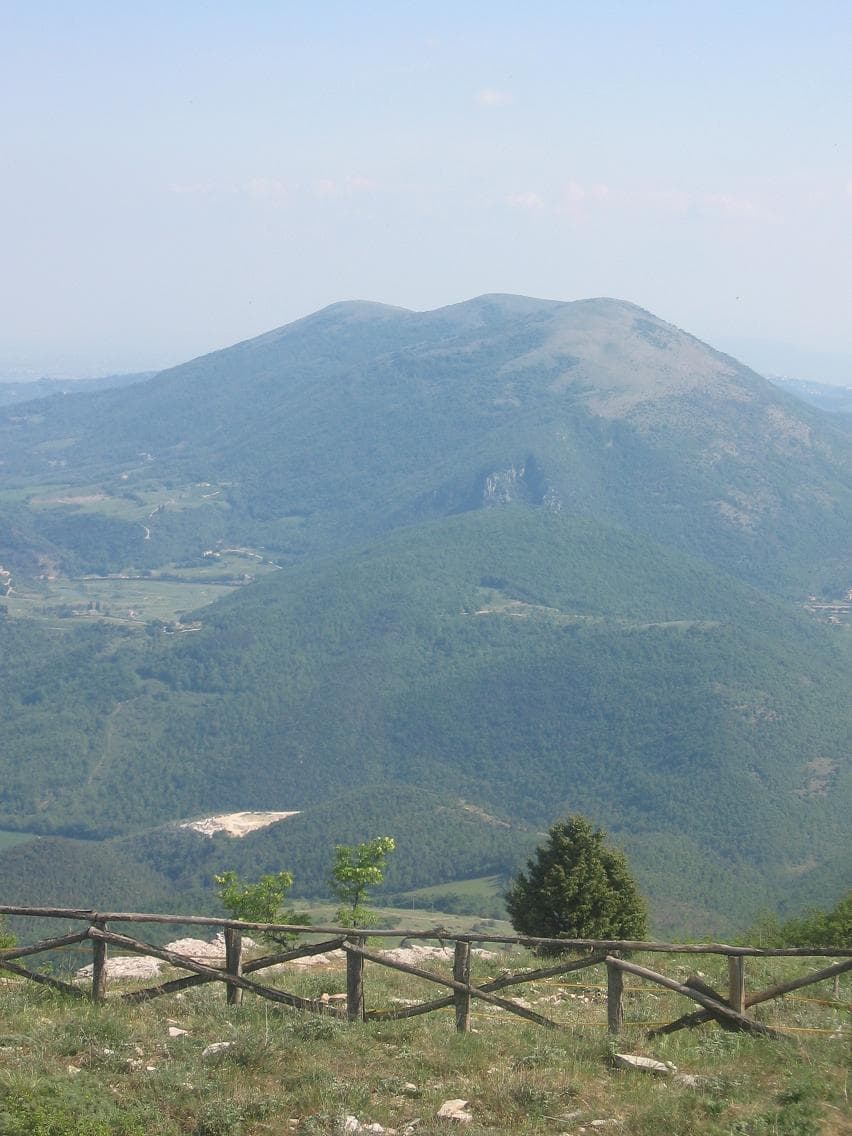
Parco di Monte Tezio
Nature
Regional nature reserve 15 km from Perugia, peaking at 960 m, with sweeping grassland vistas and panoramic views across all of Umbria. Local hikers come here weekends to escape the city.Percorso Verde delle Mura Etrusche
Nature
A trail tracing the city's Etruscan walls for several kilometres, weaving through vegetation and archaeological fragments. A daily walk for locals, it reveals unexpected vistas across the countryside.Viewpoints (2)
Colle della Trinità - Panorama Valle Umbra
Viewpoint
A hill northwest of Perugia with 360° views across Umbrian countryside and the Apennines. Little known to tourists, it's where Perugians come to run and find renewal at sunrise.Terrazza del Belvedere - Giardini Carducci
Viewpoint
A suspended panoramic terrace overlooking the Umbrian valley, offering one of central Italy's finest sunsets. Locals stroll here in the evening, far from the tourist throng.Activities (5)
 Wikipedia (it) - CC BY-SA
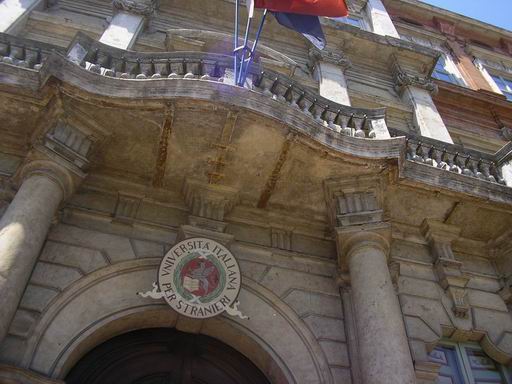
Università per Stranieri di Perugia
Activity
Italy's oldest university for foreign students, founded in 1921, whose Italian language and culture courses attract learners from across the globe. The cosmopolitan campus atmosphere brings a unique energy to the city.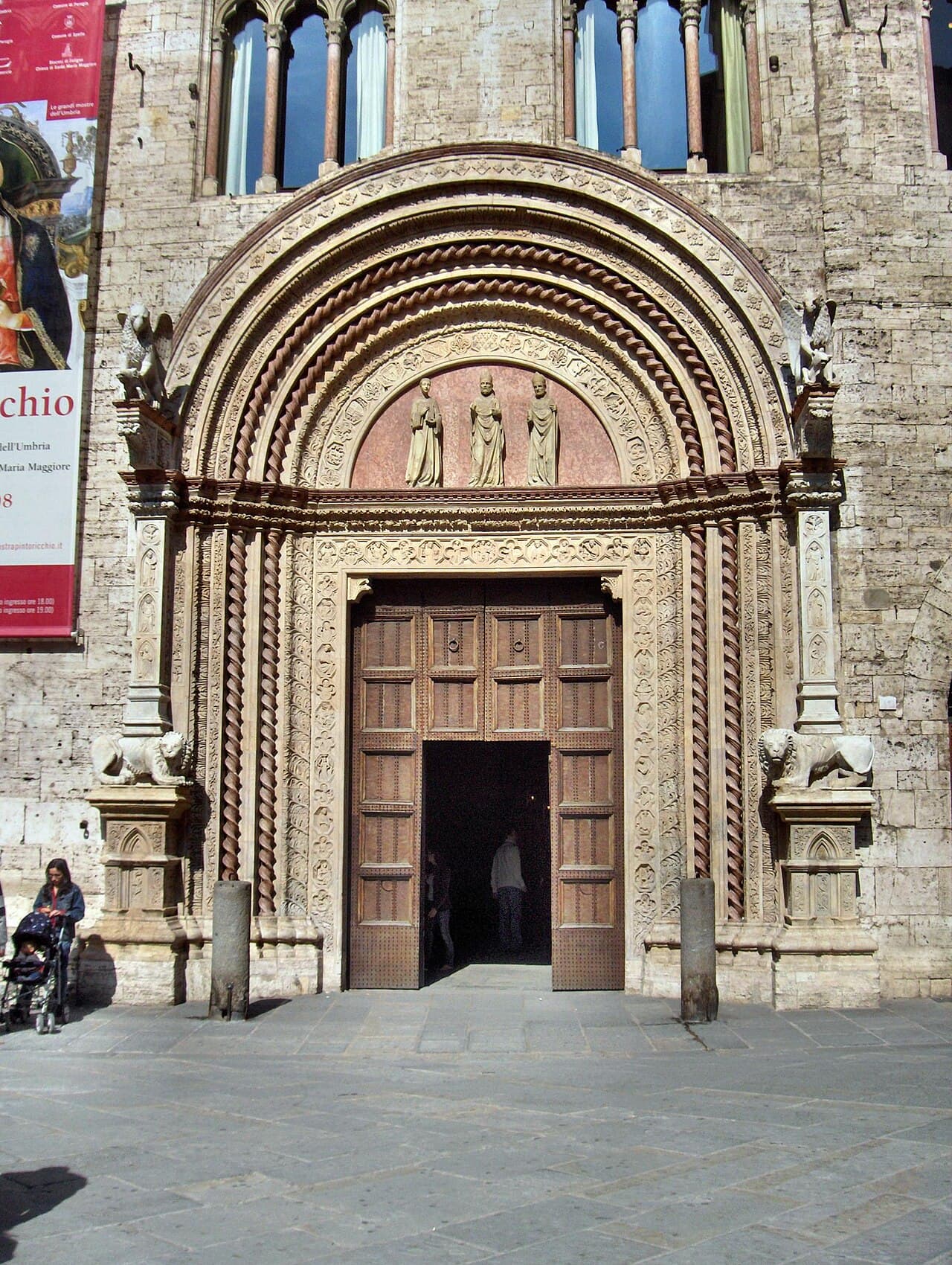 Wikipedia (it) - CC BY-SA
Galleria Nazionale dell'Umbria
Activity
Umbria's finest collection of medieval and Renaissance art, with masterworks by Perugino, Piero della Francesca and Fra Angelico. Housed in the Palazzo dei Priori, it easily warrants a thorough two-hour visit. Wikipedia (en) - CC BY-SA
Mercato Coperto di Perugia
Activity
A grand Art Deco covered market from the 1930s beneath Piazza Matteotti, lined with stalls of cured meats, cheeses, vegetables and Umbrian specialities. This is where Perugians have shopped for generations. Wikipedia (it) - CC BY-SA
Museo Archeologico Nazionale dell'Umbria
Activity
Archaeological museum installed within a Dominican convent, boasting one of central Italy's richest collections of Etruscan and Roman artefacts. The funerary urns and Etruscan jewellery display remarkable craftsmanship.Umbria Jazz Festival - Arena Santa Giuliana
Activity
One of Europe's largest jazz festivals takes place each July in Perugia, with free concerts throughout the city and paid stages in the arena. The nocturnal atmosphere in the medieval alleyways is incomparable.More to discover (3)
Cioccolateria Augusta Perusia
Place
A craft chocolatier in the wake of Perugia's famed Perugina tradition, offering pralines, Baci and original creations using single-origin cacao. Where discerning locals come to find quality gifts.Porta Sant'Angelo Quarter
Place
Perugia's most authentic medieval neighbourhood, with steep alleyways, old washing houses, hanging gardens and the fifth-century Sant'Angelo tower. Few tourists venture here—that is precisely its charm.Corso Vannucci at Sunset
Place
Perugia's main pedestrian thoroughfare takes on special character at aperitivo hour, when locals of all ages flood the arcades for the passeggiata. A social ritual to be lived, not merely observed.