🇮🇹Italy · Places to discover
What to see in Polignano a Mare?
25 places selected by the community - landmarks, nature, hidden restaurants and activities.
Polignano a Mare perches on a limestone promontory above the Adriatic, its white houses suspended above coves carved by the sea over millions of years. The compact, pedestrian historic centre still functions as a proper fishing village despite the tourist influx: residents live here, fresh fish stalls sit beside terraces. The Lama Monachile, this recessed cove between two cliffs, is the image that put the town on the map.
The best period runs from mid-May to late June, before the beaches become saturated and prices double. Two days suffice to explore the old town and swim in the coves accessible on foot from the centre. From Bari, the regional train is the simplest option-reckon on 35 minutes. Avoid restaurants directly on Piazza Vittorio Emanuele II: the address comes at a price, not the plate.
Landmarks & heritage
9 places
 1Wikipedia · CC BY-SA
Landmark
Abbey of San Vito
A former Benedictine abbey from the 11th century perched on the coast a few kilometres north of Polignano. Romantic ruins facing the sea, largely overlooked by the tourist circuit.
 2Wikipedia · CC BY-SA
Landmark
Historic Centre of Polignano a Mare
The medieval old town perched on the limestone cliff, with its whitewashed alleyways and archways. Getting lost in its vicoli at sunset is an unparalleled experience.
- 3
Landmark
Landmark
Grotta Palazzese
A natural sea cave hollowed into the clifface, used as a banqueting hall since the 18th century. Whilst the restaurant commands steep prices, the cave itself is accessible from the sea by kayak.
- 4
Landmark
Landmark
Lama Monachile - Ponte Borbonico
The 19th-century Bourbon bridge spanning the natural ravine that meets the sea. Spectacular views over the cove below, particularly rewarding early in the morning before the crowds arrive.
- 5
Landmark
Landmark
Palazzo Pino Pascali
A 17th-century palace repurposed as a museum devoted to conceptual artist Pino Pascali, a son of the town. A cultural gem of considerable note in this seaside borgo.
- 6
Landmark
Landmark
Clock Tower
The medieval clock tower dominating Piazza Vittorio Emanuele II, the beating heart of this borgo. Its campanile is visible from the sea and punctuates the rhythm of local life.
- 7
Landmark
Landmark
Church of Santa Maria Assunta
Polignano's principal church, erected in the 16th century on the site of a former Arab mosque, with a restrained baroque façade and an interior enriched by local artworks. Few tourists linger here at length.
- 8
Landmark
Landmark
Arco Marchesale
The entrance arch to the historic centre, dating from the 16th century, marking the passage between the modern world and the medieval city. An essential crossing often overlooked for its historical significance.
- 9
Landmark
Landmark
Domenico Modugno Statue
The emblematic sculpture of the 'Volare' singer with arms flung wide open facing the sea. A symbol of this town, born here, that deserves more than a snapshot.
Nature & parks
2 places
- 10
Nature
Nature
Litoranea Sud - Coastal Path Towards Monopoli
The coastline south of Polignano towards Monopoli unfolds as a succession of rocky coves and pine-clad reaches, walkable or bikeable. Wild shoreline that few visitors discover.
- 11
Nature
Nature
Masseria Torre Coccaro - Olive Grove
This historic fortified farmhouse, ringed by century-old olives a few kilometres from town, rewards exploration on foot even without an overnight stay. It illuminates Puglian agriculture.
Viewpoints
4 places
 12Wikipedia · CC BY-SA
Viewpoint
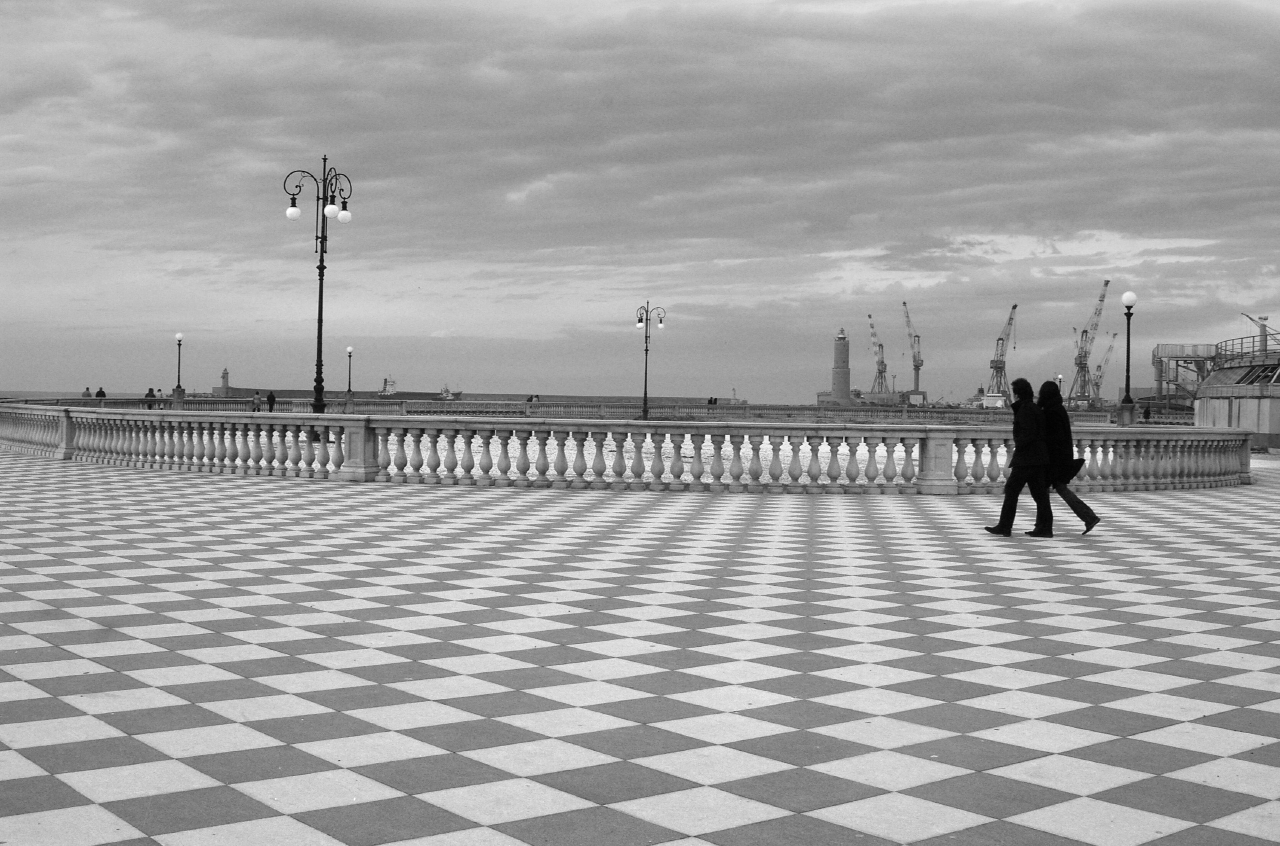
Belvedere sul Mare - Terrazza sul Porto
The panoramic terrace at the edge of the historic centre, overlooking open sea and white cliffs. The finest viewpoint for the sea caves without paying a penny.
- 13
Viewpoint
Viewpoint
Polignano a Mare - Belvedere sul Mare
35 km from Bari, this clifftop village perched above turquoise sea plunging into limestone cliffs ranks among Puglia's most breathtaking vistas. Visit weekdays outside July and August to truly appreciate it.
- 14
Viewpoint
Viewpoint
Polignano Cliffs at Sunset
Flat rocks south of the small harbour where locals come to watch the sun set over the Adriatic. Bring a bottle of rosé Primitivo and settle in like a native.
- 15
Viewpoint
Viewpoint
Polignano Cliffs - View from the Northern Coast
The coastal path north of the centro storico traces the cliff edge, offering vertiginous views across the Adriatic and the caves far below. Exceptional sunset territory.
Activities
4 places
- 16
Activity
Activity
Cycling the Via Appia dei Trulli
The Murge plateau surrounding Polignano rewards quiet-road cycling through centuries-old olive groves and isolated trulli. Another Puglia entirely, just 5 km from the shore.
- 17
Activity
Activity
Red Bull Cliff Diving - Dive Site
The rock from which Red Bull Cliff Diving World Series athletes launch each summer. Outside competition season, locals have freely dived here for generations.
- 18
Activity
Activity
Sea Kayaking Along the Cliffs
Hire a kayak from Lama Monachile beach to paddle along the cliff face and slip into caves at your own pace. The finest way to experience Polignano from the water, especially early morning.
- 19
Activity
Activity
Polignano Marine Caves - Boat Tour
The caves carved into limestone cliffs reveal themselves properly only from the sea. Local boats offer hour-long tours that unveil illuminated caverns utterly inaccessible on foot.
Beaches
3 places
 20Wikipedia · CC BY-SA
Beach
Spiaggia di San Giovanni
The long sandy beach north of Polignano, less celebrated than Cala Porto but far more practical for a proper day's swimming. Shallow water and ideal for families.
- 21
Beach
Beach
Lama Monachile (Cala Porto)
Polignano's iconic cove, framed by cliffs and the Bourbon bridge. Crystal-clear water and a pebble seabed—essential viewing outside July and August when you can actually appreciate it.
- 22
Beach
Beach
Cala Paura
A small wild cove accessible on foot from the historic centre, nestled between towering cliffs. Turquoise waters and rocky bottom, favoured by locals who know the path.
More to discover
3 places
- 23
Place
Place
Enoteca Vini e Taralli - Via Conversano
A discreet wine bar run by a passionate collector of Puglian wines, stocking Primitivo di Manduria, Negroamaro and Verdeca you won't find elsewhere. Tastings available on the premises.
- 24
Place
Place
Monday Weekly Market
The Monday-morning market outside the historic centre, where farmers from the Murge sell vegetables, cheeses and local produce. The best place to buy fresh burrata of the day.
- 25
Place
Place
Piazza Vittorio Emanuele II
The central square of the town, where local life converges between the clock tower and café terraces. Come evening, residents gather for the passeggiata.
Also 🇮🇹 in Italy


