
🇵🇹 Portugal · Places to discover
What to see in Coimbra ?
23 places curated by Hozy - landmarks, nature, hidden restaurants and activities.
MAP · OVERVIEW
Coimbra moves to the rhythm of its university, one of Europe's oldest, founded in 1290. The city divides clearly between the upper university quarter, dominated by the Joanina Library and its baroque halls, and the lower merchant town along the Mondego. This contrast between academic gravity and student energy lends Coimbra an atmosphere few Portuguese cities still possess.
Two days suffice to explore the essentials without rushing. Favour September to November, when summer heat eases and students return to town. Coimbra connects easily from Lisbon or Porto by intercity train, making it a logical stopover between the two. Skip restaurants around Praça do Comércio, which survive solely on passing trade: head down towards the municipal market to eat where locals do.
Landmarks & heritage (10)
 Wikipedia (pt) - CC BY-SA
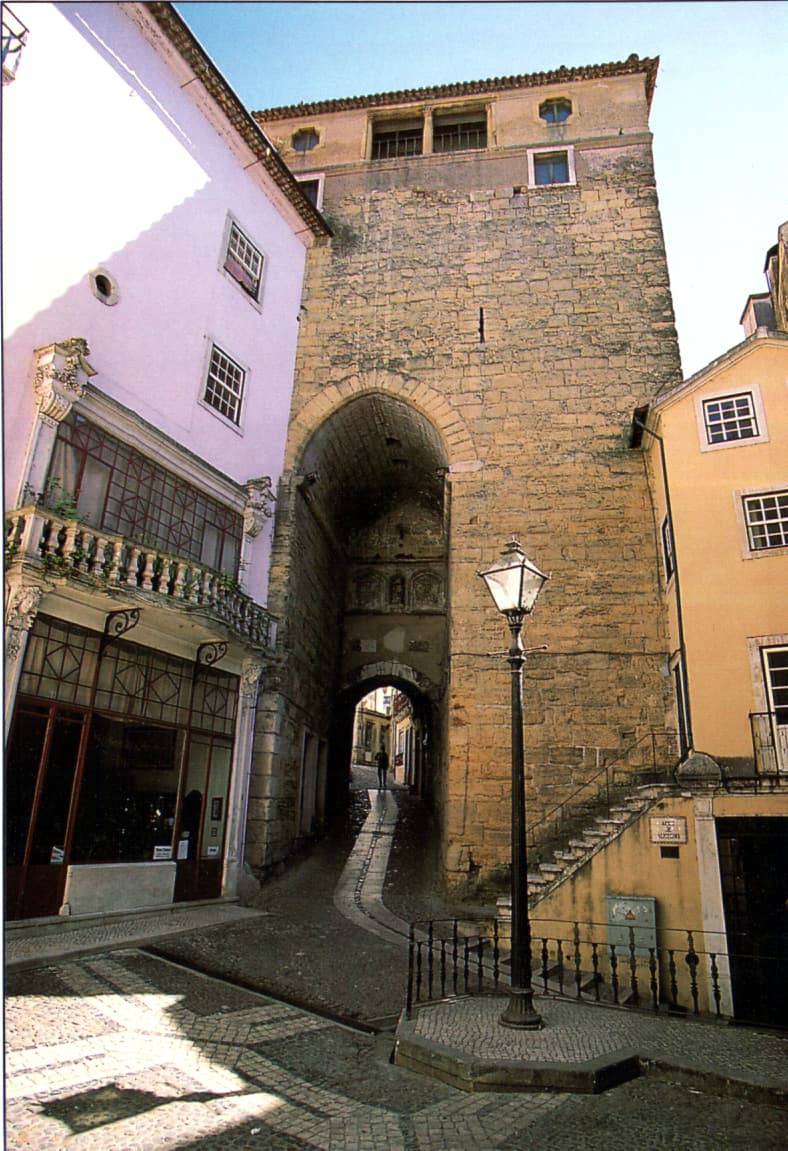
Arco de Almedina
Landmark
A medieval gateway from the twelfth century, remnant of Coimbra's ancient Arab fortifications. This essential passage between the lower and upper town houses a small tower-museum dedicated to urban history.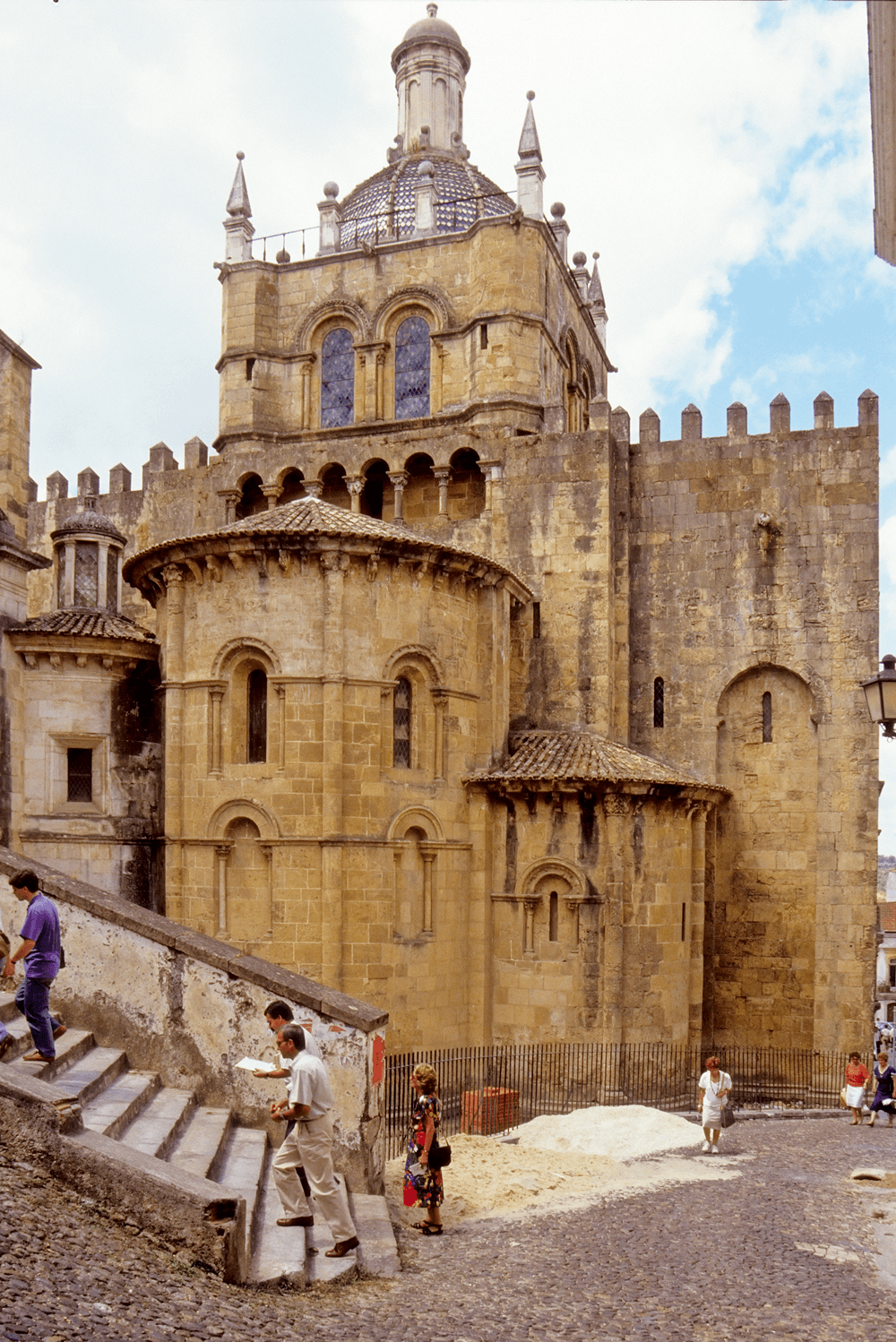 Wikipedia (fr) - CC BY-SA
Sé Velha de Coimbra
Landmark
Romanesque cathedral from the 12th century, among Portugal's best-preserved. Its austere, castellated silhouette contrasts beautifully with ornate interior azulejos. A founding monument of Portuguese identity.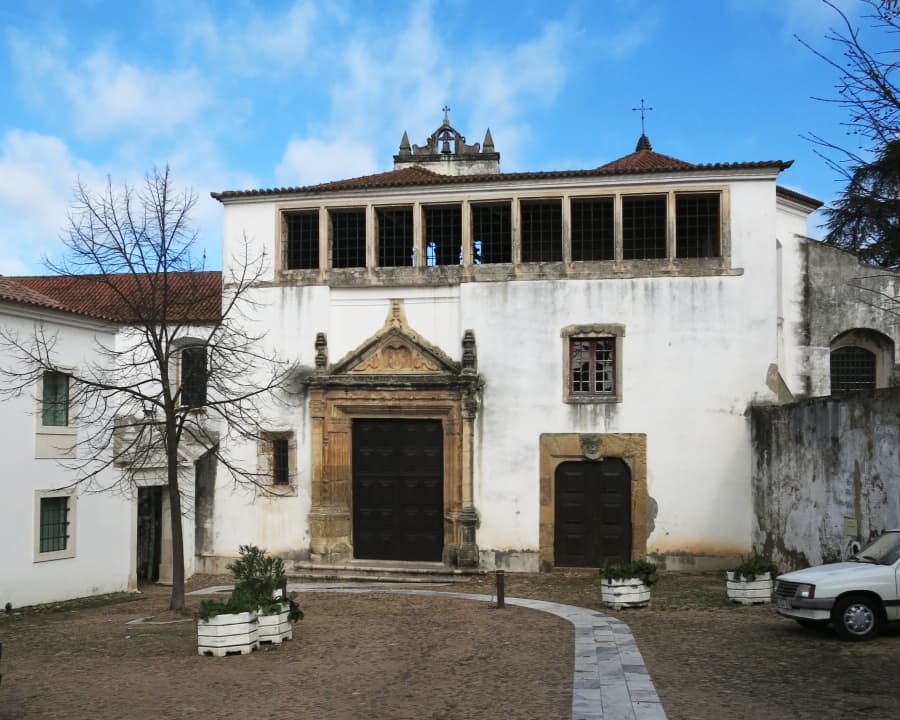 Wikipedia (pt) - CC BY-SA
Mosteiro de Celas
Landmark
A thirteenth-century Cistercian monastery often overlooked by tourists, nestled in a quiet residential neighbourhood. Its Gothic cloister and church with naïve azulejos tiles offer a genuinely contemplative atmosphere. Wikipedia (en) - CC BY-SA
Biblioteca Joanina
Landmark
Baroque library from the 18th century, considered one of the world's finest. Its trompe-l'œil painted ceilings and lacquered shelving house 300,000 rare volumes. Visits are limited—book well ahead. Wikipedia (pt) - CC BY-SA
Aqueduto de São Sebastião
Landmark
Sixteenth-century aqueduct that once supplied the upper town with water from the surrounding hills, still partially visible in the Santa Clara neighbourhood. Sober yet powerful architecture, overlooked even by locals. Wikipedia (pt) - CC BY-SA
Igreja de Santa Cruz – Café Santa Cruz
Landmark
A former monastery parlour transformed into Coimbra's emblematic café since 1923. Gothic ceilings, azulejos tiles and black-robed students create the city's most authentic setting for a coffee or ginjinha. Wikipedia (en) - CC BY-SA
Mosteiro de Santa Clara-a-Velha
Landmark
Fourteenth-century Gothic monastery partially submerged by Mondego floods for centuries, now excavated and converted into a museum. Its romantic ruins emerge from the water in a striking landscape.Palace of Schools
Landmark
The historic heart of the University of Coimbra, designated a UNESCO World Heritage site. The Sala dos Capelos, a ceremonial hall adorned with royal portraits, commands an impressive solemnity.Torre da Universidade de Coimbra
Landmark
Baroque tower from the 18th century standing 34 metres tall, symbol of Portugal's oldest university. Panoramic views over the city and the Mondego River from the summit—unmissable at sunset.Mosteiro de Santa Cruz
Landmark
Manueline monastery from the 12th century in the heart of the Baixa, pantheon of Portugal's first kings. Its sculpted facade and azulejo-adorned sacristy are absolutely remarkable.Nature & parks (4)
 Wikipedia (pt) - CC BY-SA
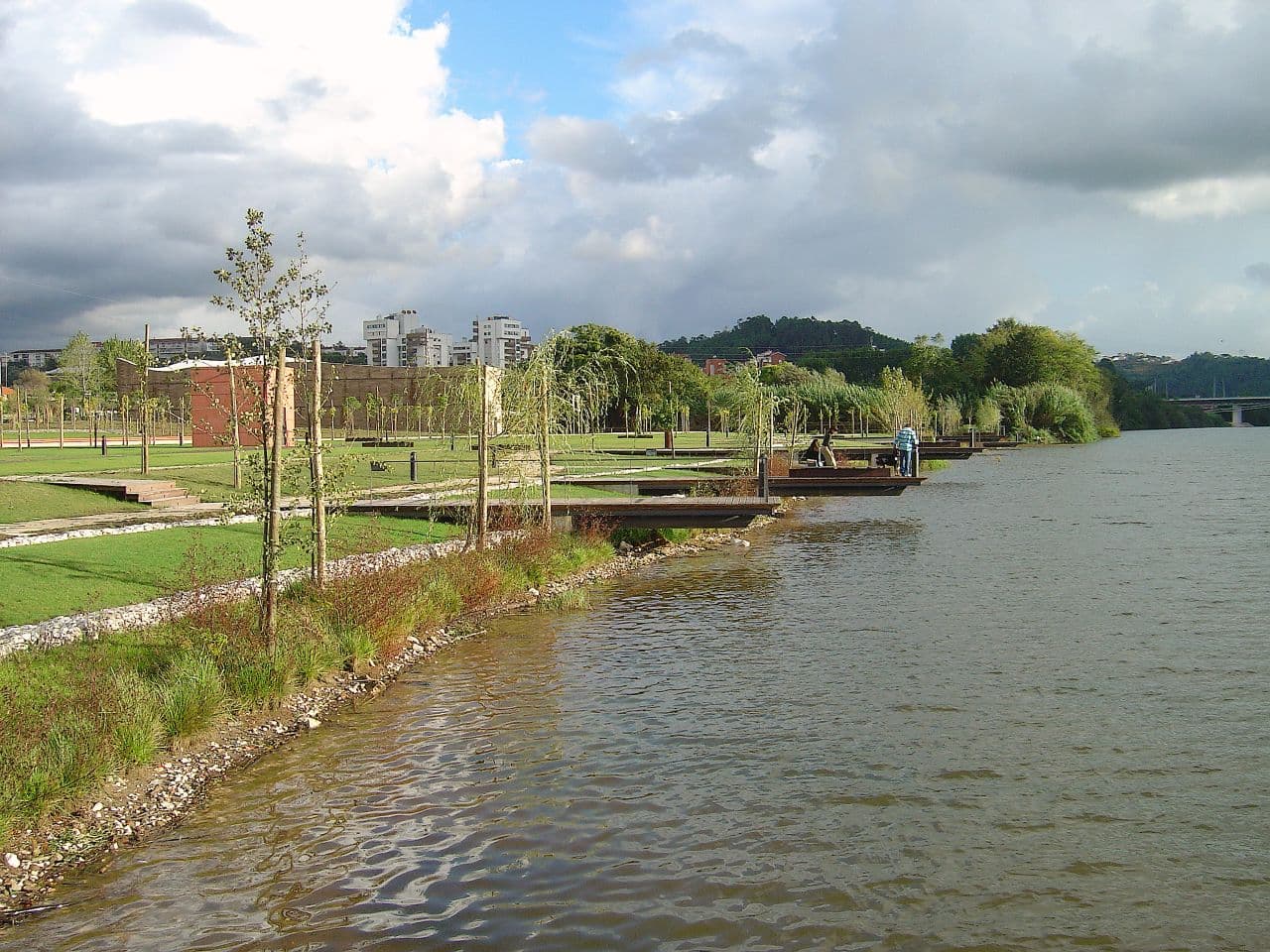
Parque Verde do Mondego
Nature
A fifty-hectare linear park spanning both banks of the Mondego, perfect for running, picnicking or cycling. Come evening, locals gather here away from the tourist crowds.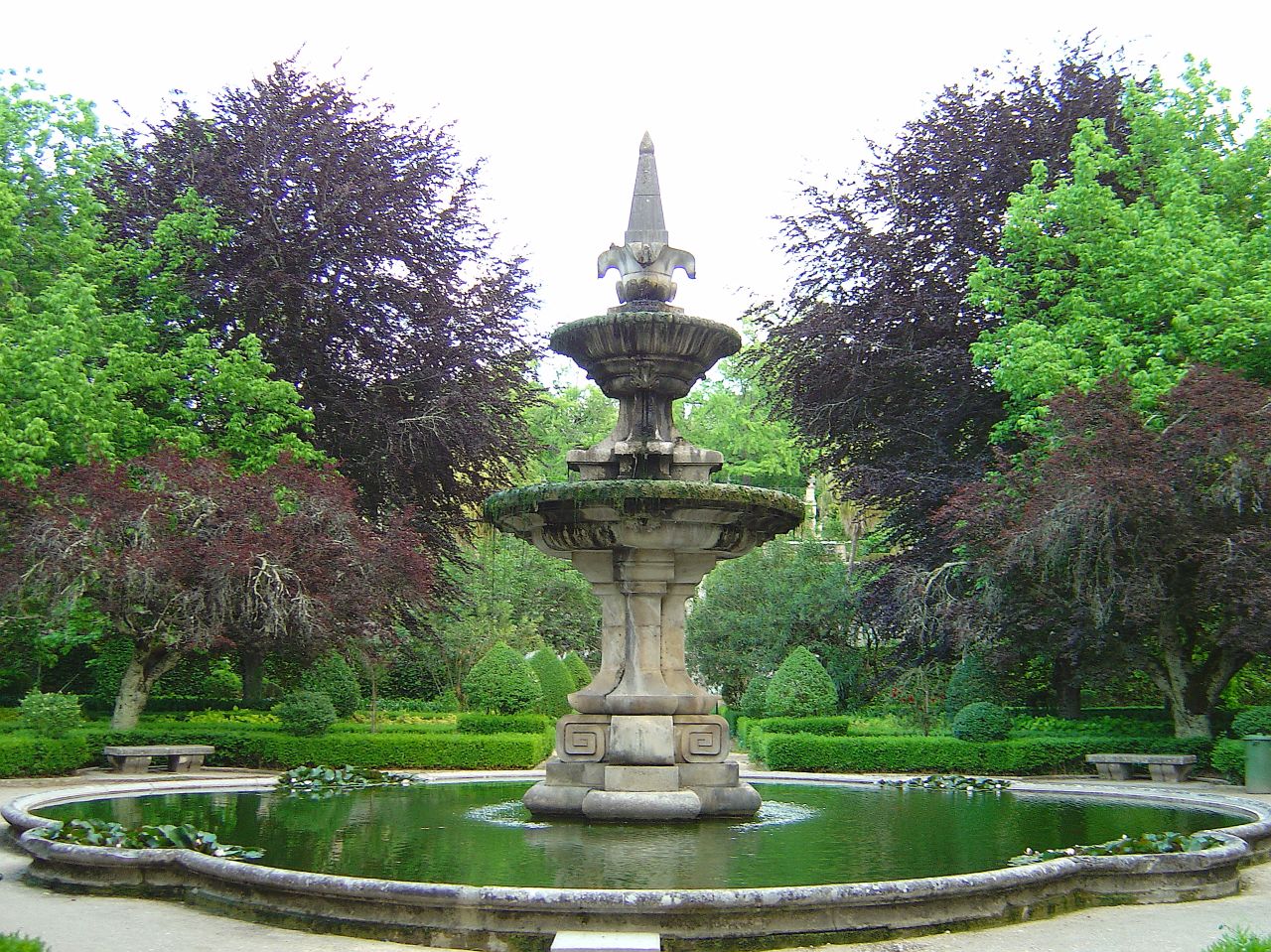 Wikipedia (en) - CC BY-SA
University of Coimbra Botanical Garden
Nature
An eighteenth-century botanical garden terraced across the university hill's slopes, among the oldest on the Iberian peninsula. Victorian glasshouses, a sprawling bamboo grove and romantically neglected pathways await exploration. Wikipedia (en) - CC BY-SA
Mata Nacional do Choupal
Nature
A sixty-hectare alluvial forest fringing the Mondego, a verdant lung largely unknown to visitors. Towering century-old poplars, aquatic birds and shaded pathways offer a genuine escape within a ten-minute walk of the centre. Wikipedia (en) - CC BY-SA
Quinta das Lágrimas
Nature
Romantic estate linked to the legend of Inês de Castro, favourite of King Pedro I, assassinated in 1355. Historic gardens feature the Fountain of Love and the Spring of Tears, set within a magnificent shaded park.Viewpoints (3)
 Wikipedia (pt) - CC BY-SA
Penedo da Saudade
Viewpoint
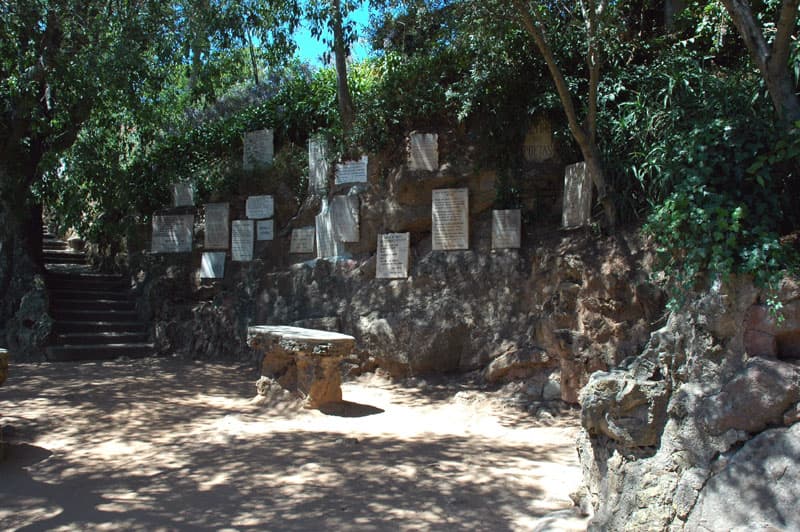
A nineteenth-century romantic garden inscribed with poems carved in stone by departing students. The tranquil views across the Mondego countryside resonate with a poignant, fado-touched melancholy. Wikipedia (fr) - CC BY-SA
Miradouro da Bandeira
Viewpoint
An understated viewpoint perched on the Alta heights, commanding views across the lower town's terracotta roofs and the Mondego. Students favour it at dusk for its peaceful ambience.Miradouro do Alto de Santa Clara
Viewpoint
A hilltop viewpoint on the left bank offering the most sweeping panorama of Coimbra and its university. Seldom crowded, it's easily reached on foot from Mosteiro de Santa Clara-a-Nova.Activities (4)
 Wikipedia (en) - CC BY-SA
Portugal dos Pequenitos
Activity
A unique thematic park created in 1940, featuring miniature replicas of Portugal's monuments and colonial heritage. Charmingly kitsch, cherished equally by nostalgic adults and children. Wikipedia (fr) - CC BY-SA
Machado de Castro National Museum
Activity
Museum housed in the former episcopal palace, above the 1st-century Roman cryptoporticus. Home to one of Portugal's finest collections of medieval and baroque art, notably its polychrome stone sculptures.Fado ao Centro
Activity
Coimbra's fado house in the upper town, with quality performances daily in an intimate setting. Fado coimbrão, sung exclusively by men in traditional garb, differs strikingly from its Lisbon counterpart.Roman Cryptoporticus of Aeminium
Activity
Underground Roman galleries from the 1st century AD, situated beneath the Machado de Castro Museum, remnants of the ancient forum of Aeminium. A fascinating descent into Coimbra's Roman foundations.More to discover (2)
 Wikipedia (fr) - CC BY-SA
Rua Quebra Costas
Place
Medieval paved street descending in steps from the Baixa to the Sé Velha, its name meaning 'back-breaker'. Lined with ancient houses, small artisan shops and student bars, it captures the soul of the upper town.Livraria Bertrand de Coimbra - Rua Ferreira Borges
Place
Independent bookshop housed in a historic building in the Baixa, an intellectual meeting place for students and professors. Strong selection in Portuguese literature and humanities.