
🇵🇹 Portugal · Places to discover
What to see in Monsanto ?
17 places curated by Hozy - landmarks, nature, hidden restaurants and activities.
MAP · OVERVIEW
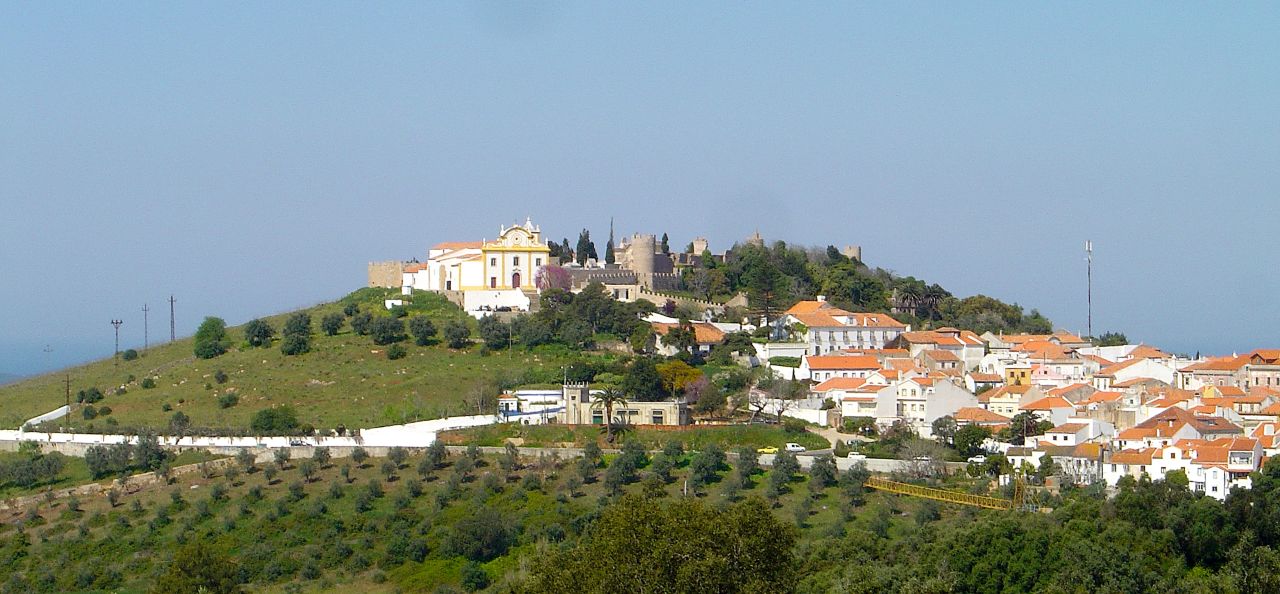
Monsanto clings to a granite ridge in Beira Baixa as if the village refuses to descend to the plain. Houses rise between boulders or lean directly against them; sometimes the rocks serve as roof or wall. This raw relationship between human habitation and stone gives the place a coherence rarely found outside contrived heritage sites. The Castelo de Monsanto, perched above the village, offers a panorama across rolling hills that alone justifies the detour.
Spring (April-May) is ideal: vegetation is green, heat is bearable, and few visitors have arrived. Allow a half-day in the village, or one night if you want to see it empty out in the evening and recover its character. A car is essential; no practical public transport serves the place. Don't limit yourself to the main street where coach parties are dropped at the bottom-climb on foot to the upper lanes; that's where Monsanto truly exists.
Landmarks & heritage (8)
 Wikipedia (pt) - CC BY-SA
Ruins of the Church of Santiago
Landmark
The remains of an abandoned medieval chapel on the village heights, overtaken by vegetation and framed by boulders. A melancholic and seldom-visited spot, ideal for enthusiasts of forgotten heritage. Wikipedia (pt) - CC BY-SA
Necropolis of Monsanto
Landmark
A collection of rock-cut tombs carved directly into the granite bedrock, dating to the High Middle Ages. Scattered around the castle, they testify to the site's ancient occupation. Wikipedia (pt) - CC BY-SA
Pelourinho de Monsanto
Landmark
A medieval granite pillory from the 16th century standing at the heart of the village, a symbol of feudal justice. Perfectly preserved and framed by houses wedged between the rocks. Wikipedia (pt) - CC BY-SA
Typical House of Monsanto
Landmark
A traditional dwelling constructed beneath and between granite outcrops, its roof sometimes a natural granite slab. Several village houses remain inhabited and exemplify this singular way of life found nowhere else in Europe. Wikipedia (pt) - CC BY-SA
Monsanto Castle
Landmark
A medieval fortress perched at 758m altitude, partially integrated into giant granite outcrops. The climb on foot between towering stone blocks offers a singular experience before reaching the ruins and panoramic views across the Beira Baixa. Wikipedia (pt) - CC BY-SA
Church of São Miguel da Mota
Landmark
A diminutive Romanesque church of the 12th century nestled between colossal boulders, its façade absorbed by the living rock. One of Monsanto's most striking examples of organic architecture.Porta da Vila de Monsanto
Landmark
The medieval gateway to the village, a granite arch marking the threshold between the modern world and this timeless settlement. Photographed at all hours, it's at its finest at dawn.Church of Nossa Senhora da Graça
Landmark
A sober, authentic village church dating from the 16th century, its interior lined with traditional azulejo tiles. Often open during daylight hours, it offers welcome cool respite after the climb.Nature & parks (2)
Percurso Pedestre PR1 MST – Trilho das Aldeias
Nature
A waymarked 12 km trail connecting Monsanto through the granite landscapes and olive country of Beira Baixa. Quiet on weekdays, it passes abandoned hamlets and spectacular rocky outcrops.Olival de Monsanto
Nature
Vast centuries-old olive groves surrounding the village, some trees exceeding 500 years. Walking amongst these gnarled trunks at dawn, when light falls at a low angle, is an almost mystical experience.Viewpoints (3)
Sunset over the Idanha Plain from Monsanto
Viewpoint
Perched at 758m facing west, the village offers a daily spectacle of sunset over the Idanha plain that locals contemplate from their winding streets. No official viewpoint required—any of the village's upper lanes will serve the purpose.Miradouro da Porta do Sol
Viewpoint
A sheltered viewpoint situated below the castle, facing due west across the Idanha plain. Less frequented than the summit, it offers unobstructed vistas and peaceful seating amongst the granite stone.Viewpoint of Monsanto Castle
Viewpoint
The natural vantage point at the castle's summit commands a 360° panorama over the Serra da Malcata, the Idanha plain and, on clear days, across into Spain. The sunset here possesses a rare intensity.Activities (3)
 Wikipedia (pt) - CC BY-SA
Festa da Aldeia Mais Portuguesa de Portugal
Activity
Each May, Monsanto celebrates its title of 'most Portuguese village in Portugal', awarded in 1938, with the Festa da Gamela: women hurl flower pots from the castle. A unique tradition not to be missed if you're here in May.Rock Climbing on Monsanto's Granite Chaos
Activity
The granite rock formations surrounding the village offer natural climbing routes for all levels. No commercial setup—just enormous boulders and a community of local climbers who gather weekends.Sacred Art Museum of Monsanto
Activity
Small sacred art museum housed in a former village chapel, preserving liturgical pieces, sculptures and azulejo tiles from the 16th–18th centuries. Modest admission, with an enthusiastic local custodian.