🇸🇰 Slovakia · Places to discover

What to see in Hautes Tatras?

44 places curated by Hozy - landmarks, nature, hidden restaurants and activities.

MAP · OVERVIEW

The High Tatras form Slovakia's only Alpine massif, squeezed across a hundred kilometres between plains and the Polish border. This national park concentrates glacial lakes, peaks exceeding 2,600 metres and mountain villages that still operate at their own pace. Štrbské Pleso and Popradské Pleso serve as anchors for hikers who come here for the density of routes, not for worldliness.

The best window falls between June and September for hiking, or January–February for cross-country skiing around Štrbské Pleso. Allow three to five days to explore the massif properly. The electric mountain railway, Tatranská električka, connects the stations without a car-both practical and fitting for the place. Avoid confining yourself to the yellow-marked trails around the lakes: they concentrate 80 per cent of visitors and give a distorted picture of the massif.

Landmarks & heritage (17)

Villa Atma – Szymanowski MuseumWikipedia (fr) - CC BY-SA

Villa Atma – Szymanowski Museum

Landmark

The residence of composer Karol Szymanowski, now a museum dedicated to his life and work. An intimate and authentic atmosphere in this early twentieth-century chalet, away from the usual tourist circuits.
Church of the Holy Family (Najświętszej Rodziny)Wikipedia (pl) - CC BY-SA

Church of the Holy Family (Najświętszej Rodziny)

Landmark

Zakopane's main parish church, built entirely in wood in the pure architectural style of the region. Its silhouette rising against snow-capped peaks is one of the town's most iconic images.
Villa KolibaWikipedia (fr) - CC BY-SA

Villa Koliba

Landmark

The first building designed by Stanisław Witkiewicz in the Zakopane architectural style, dating from 1894. Now a museum celebrating this unique vernacular style that influenced the entire region.
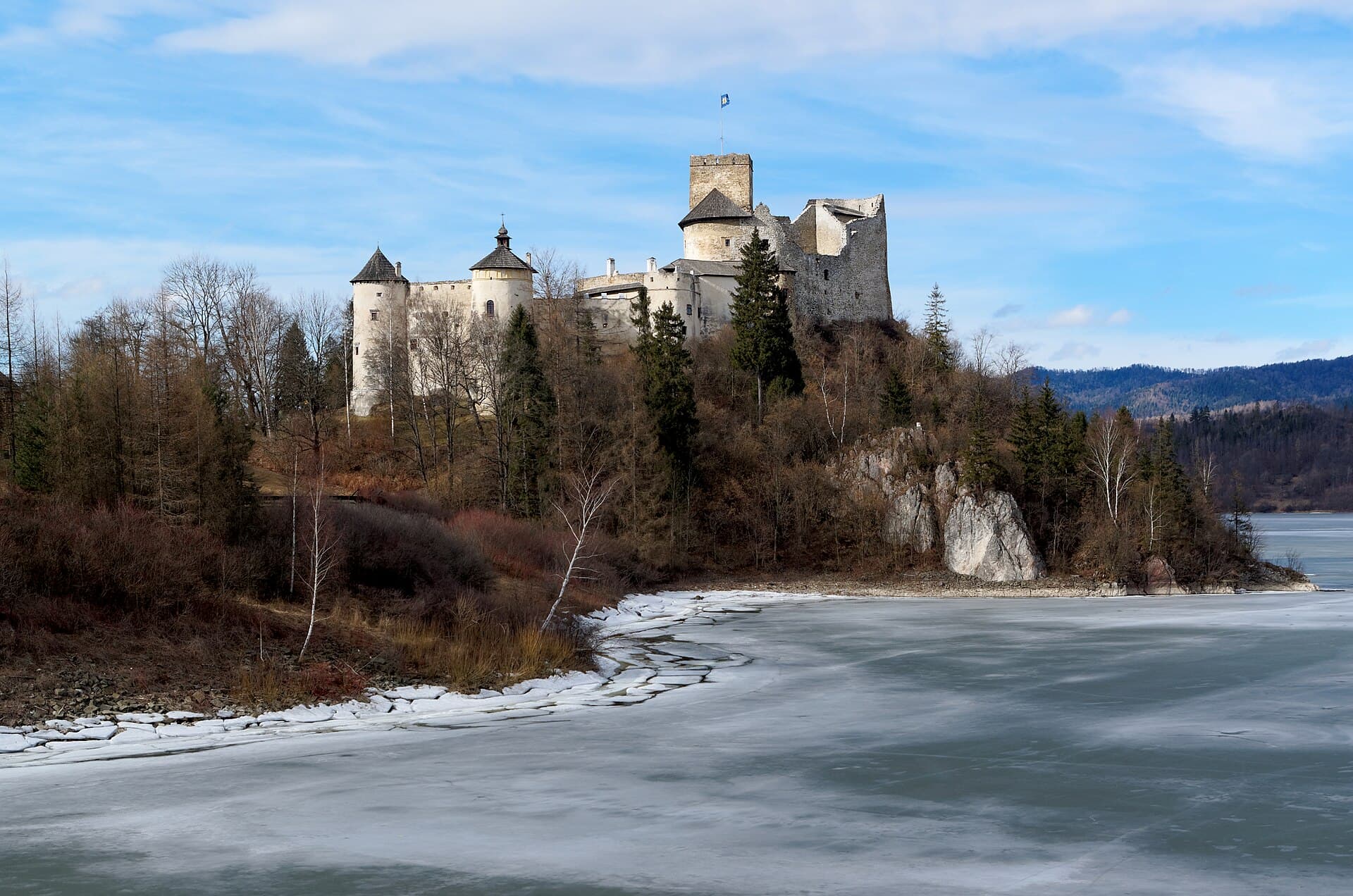
Niedzica Castle (Zamek Dunajec)Wikipedia (en) - CC BY-SA

Niedzica Castle (Zamek Dunajec)

Landmark

Fourteenth-century mediaeval castle perched on a rocky promontory above Lake Czorsztyn. One of the best-preserved castles in the Tatras region, with a history steeped in Incan legends and hidden treasures.
Czorsztyn CastleWikipedia (en) - CC BY-SA

Czorsztyn Castle

Landmark

Romantic ruins of a Polish royal castle from the fourteenth century on an island in Czorsztyn Lake, facing Niedzica. Striking views over the artificial lake and the Tatras beyond.
Pęksowy Brzyzek CemeteryWikipedia (fr) - CC BY-SA

Pęksowy Brzyzek Cemetery

Landmark

Historic necropolis of Zakopane where great figures of Tatra Polish culture are laid to rest: artists, mountain guides, climbers. The wooden carved funeral sculptures are genuine works of art.
Chochołów HamletWikipedia (pl) - CC BY-SA

Chochołów Hamlet

Landmark

A village 20 km from Zakopane designated a historic monument, with 19th-century log cabins entirely preserved. Residents whitewash their facades each spring – a living tradition unique in Europe.
Cemetery Na Pęksowym BrzyzkuWikipedia (fr) - CC BY-SA

Cemetery Na Pęksowym Brzyzku

Landmark

A nineteenth-century historic cemetery where the greatest figures of the Tatras rest: mountaineers, artists, and poets. The carved wooden crosses are works of art in their own right.
Old Town of Zakopane - Krupówki StreetWikipedia (fr) - CC BY-SA

Old Town of Zakopane - Krupówki Street

Landmark

Zakopane's main pedestrian thoroughfare and beating heart of the town, lined with local crafts shops, cheese vendors and restaurants. Avoid kitsch souvenirs and seek out authentic oscypki from local producers.
Holy Cross Wooden Church in ZakopaneWikipedia (fr) - CC BY-SA

Holy Cross Wooden Church in Zakopane

Landmark

A small eighteenth-century wooden church, one of the oldest in the region, nestled within Pęksowy Brzyzek cemetery. Authentic Highlander architecture, far from modern reconstructions.
Museum of the Tatras (Muzeum Tatrzańskie)Wikipedia (pl) - CC BY-SA

Museum of the Tatras (Muzeum Tatrzańskie)

Landmark

The essential museum for understanding the natural and human history of the Tatras. Collections encompass Highland ethnography, local wildlife, and the history of Polish mountaineering from the nineteenth century onwards.
Sanctuary of Our Lady of Fatima – KrzeptówkiWikipedia (pl) - CC BY-SA

Sanctuary of Our Lady of Fatima – Krzeptówki

Landmark

A modern Marian sanctuary built in Zakopane style on the city's northern edge, an active pilgrimage site. The massive wooden architecture and atmosphere of genuine devotion contrast sharply with the tourism of the centre.
Villa Pod JedlamiWikipedia (fr) - CC BY-SA

Villa Pod Jedlami

Landmark

Stanisław Witkiewicz's masterpiece, built in 1897 and considered the finest expression of the Zakopane style. The hand-sculpted interior displays astonishing artisanal richness.
Museum of the Tatras (Muzeum Tatrzańskie)Wikipedia (en) - CC BY-SA

Museum of the Tatras (Muzeum Tatrzańskie)

Landmark

Zakopane's principal museum dedicated to the natural and cultural history of the Tatras. Collections of highland ethnography (górale), alpine fauna, and the history of mountaineering in the Tatras.

Chapel Na Równi Krupowej

Landmark

A small wooden chapel from 1847, one of Zakopane's oldest, nestled in a quiet residential quarter away from the crowds. The hand-sculpted wooden interior architecture is well worth visiting.

Krupówki – Main Promenade of Zakopane

Landmark

The lively pedestrian thoroughfare in the town centre, lined with wooden chalets in the distinctive Zakopane style. Best visited early morning to watch bakers selling oscypek bread before the tourist crowds arrive.

Villa Koliba - Museum of Zakopane Style

Landmark

The first villa built in the Zakopane architectural style by Stanisław Witkiewicz in 1893. An essential museum for understanding the cultural and artistic identity of the Tatras region.

Nature & parks (9)

Štrbské Pleso LakeWikipedia (en) - CC BY-SA

Štrbské Pleso Lake

Nature

Glacial lake at 1346m altitude on the Slovak side, surrounded by pine forests and snow-capped peaks. An ideal starting point for hikes towards Solisko and Bystrá dolina.
Kościeliska ValleyWikipedia (en) - CC BY-SA

Kościeliska Valley

Nature

One of the most beautiful valleys in the Polish Tatras, accessible on foot or horseback, featuring limestone caves and impressive rock formations. Less crowded than Morskie Oko, it retains a wild charm.
Morskie Oko LakeWikipedia (en) - CC BY-SA

Morskie Oko Lake

Nature

The largest and most famous lake of the Tatras, nestled at 1395m altitude in a spectacular glacial cirque. The hike from Palenica Białczańska (9km) offers panoramic views of the highest peaks.
Kościeliska ValleyWikipedia (pl) - CC BY-SA

Kościeliska Valley

Nature

Limestone valley carved with caves and gorges, crossed by a crystal-clear mountain stream. Less frequented than Morskie Oko, it reveals the geological diversity of the Tatras and remarkable fauna.
Gerlachovský štítWikipedia (en) - CC BY-SA

Gerlachovský štít

Nature

Roof of the High Tatras at 2,654m, accessible only with an authorised guide. The ascent is an intense mountain experience reserved for experienced hikers.
Black Pond beneath Rysy (Czarny Staw pod Rysami)Wikipedia (pl) - CC BY-SA

Black Pond beneath Rysy (Czarny Staw pod Rysami)

Nature

Glacial lake at 1,580 metres elevation, a waypoint on the route to Rysy, Poland's highest peak. Its dark, deep waters contrast starkly with grey cliff faces—a landscape of the world's end.
Chochołowska ValleyWikipedia (pl) - CC BY-SA

Chochołowska Valley

Nature

The longest valley in the Polish Tatras, wild and minimally marked for hurried tourists. In May, violet crocuses carpet the meadows in a breathtaking natural spectacle.
Rysy SummitWikipedia (en) - CC BY-SA

Rysy Summit

Nature

Poland's highest point at 2499m, accessible to experienced hikers from Morskie Oko. On clear days, it offers unobstructed views over the Slovak and Polish Tatras.

Velické Pleso Lake

Nature

Wild glacial lake at 1,665 metres altitude in the Velická valley, less touristy than Štrbské Pleso. Sliezsky dom mountain hut overlooks the lake in an authentic alpine setting.

Viewpoints (7)

Panorama from GubałówkaWikipedia (pl) - CC BY-SA

Panorama from Gubałówka

Viewpoint

Hill accessible by funicular from Zakopane's centre, offering the classic view over the Tatra range and the town sprawling below. Visit at dawn or dusk to avoid tour groups.
Giewont Summit (1,894 m)Wikipedia (pl) - CC BY-SA

Giewont Summit (1,894 m)

Viewpoint

The emblematic peak visible from Zakopane, crowned with a 15-metre iron cross erected in 1901. The ascent from Kondratowa is demanding but rewarded with sweeping views across the entire town below.
Gubałówka ViewpointWikipedia (en) - CC BY-SA

Gubałówka Viewpoint

Viewpoint

Panoramic ridge at 1123 metres above Zakopane, accessible by funicular railway or on foot in 45 minutes. A classic, uninterrupted view of the entire Tatra range—ideal at sunset.
Lomnický štít SummitWikipedia (en) - CC BY-SA

Lomnický štít Summit

Viewpoint

The second highest peak in the High Tatras at 2634m, accessible by cable car from Tatranská Lomnica. A century-old weather station and 360° panorama over the High Tatras and Slovak plains.
Kasprowy Wierch Summit (1,987 m)Wikipedia (pl) - CC BY-SA

Kasprowy Wierch Summit (1,987 m)

Viewpoint

Accessible by cable car from Kuźnice, this summit commands a 360° panorama of the Polish and Slovak Tatras. In winter, the starting point for exceptional off-piste skiing; in summer, the gateway to ridge walks across the high peaks.
Hala GąsienicowaWikipedia (en) - CC BY-SA

Hala Gąsienicowa

Viewpoint

Alpine plateau at 1520 metres surrounded by glacial lakes (Czarny Staw, Zielony Staw) and imposing peaks. A hiking crossroads and summer pasture where shepherds still bring their flocks to graze.
Kasprowy Wierch PeakWikipedia (en) - CC BY-SA

Kasprowy Wierch Peak

Viewpoint

Iconic summit at 1987m on the Polish side, accessible by cable car from Kuźnice. Natural border between Poland and Slovakia, departure point for numerous hikes along the main ridge.

Activities (8)

Gubałówka FunicularWikipedia (pl) - CC BY-SA

Gubałówka Funicular

Activity

A funicular built in 1938, among Poland's oldest still in operation. The ascent of 1,280 metres vertical gain in 3 minutes 40 seconds remains an attraction in itself for vintage engineering enthusiasts.
Wielka Krokiew Ski JumpWikipedia (pl) - CC BY-SA

Wielka Krokiew Ski Jump

Activity

Zakopane's grand ski jump, one of Europe's largest, hosts the World Cup each January. Outside competition season, you can tour the structure and grasp Polish obsession with the sport.
Aqua Park Zakopane Thermal BathsWikipedia (fr) - CC BY-SA

Aqua Park Zakopane Thermal Baths

Activity

Thermal complex fed by geothermal waters from the Tatras, with outdoor pools heated to 36°C open year-round. Bathing in the open air beneath snow with views across the peaks is a memorable experience.
Thermes Aqua Park ZakopaneWikipedia (fr) - CC BY-SA

Thermes Aqua Park Zakopane

Activity

A thermal complex fed by hot springs from the Tatras, featuring outdoor pools overlooking snow-capped peaks. A local alternative to the major Slovak spas, ideal after a long day of hiking.
Via Ferrata Tatry – Orla PerćWikipedia (en) - CC BY-SA

Via Ferrata Tatry – Orla Perć

Activity

The most difficult high mountain route in the Polish High Tatras, linking several peaks along the main ridge. Reserved for equipped mountaineers, it is the ultimate experience for experienced mountaineers.
Tatra National Park – Chochołowska TrailWikipedia (fr) - CC BY-SA

Tatra National Park – Chochołowska Trail

Activity

The longest and wildest valley in the Polish Tatras, accessible from Siwa Polana. In spring, violet crocuses carpet the alpine meadows – a unique and free spectacle.

Kasprowy Wierch Funicular – Kuźnice Station

Activity

Starting point of the historic funicular opened in 1936, departing from the hamlet of Kuźnice 2 km from the centre. Queues can be lengthy in season – book online or arrive at opening time, 7.30 am.

Tatry Ski School - Kuźnice

Activity

Departure point of the historic cable car to Kasprowy Wierch and base for the Zakopane ski slopes. In summer, starting point for hikes to Hala Gąsienicowa and Czarny Staw lake.

More to discover (3)

What to see in Hautes Tatras - Slovakia? 44 places · Hozy