
🇪🇸 Spain · Places to discover
What to see in Almería ?
13 places curated by Hozy - landmarks, nature, hidden restaurants and activities.
MAP · OVERVIEW
Almería occupies a distinct place in southern Spain: capital of a semi-desert province, it long remained ignored by tourist circuits, which allowed it to remain itself. The Alcazaba, a 10th-century Arab fortress dominating the town, and the Chanca quarter with its houses painted on the hillside, tell an unvarnished Mediterranean story. Here, mass tourism has yet to dictate its terms.
Spring (April-May) and autumn remain the best periods, summer being oppressive with temperatures regularly exceeding 38°C. Two days suffice for the town itself, but adding a day for the Cabo de Gata nature park genuinely transforms the stay. Movement around the centre is easy on foot. Avoid restaurants around the Puerta de Purchena: the location is convenient, the plates rarely live up to it.
Landmarks & heritage (10)
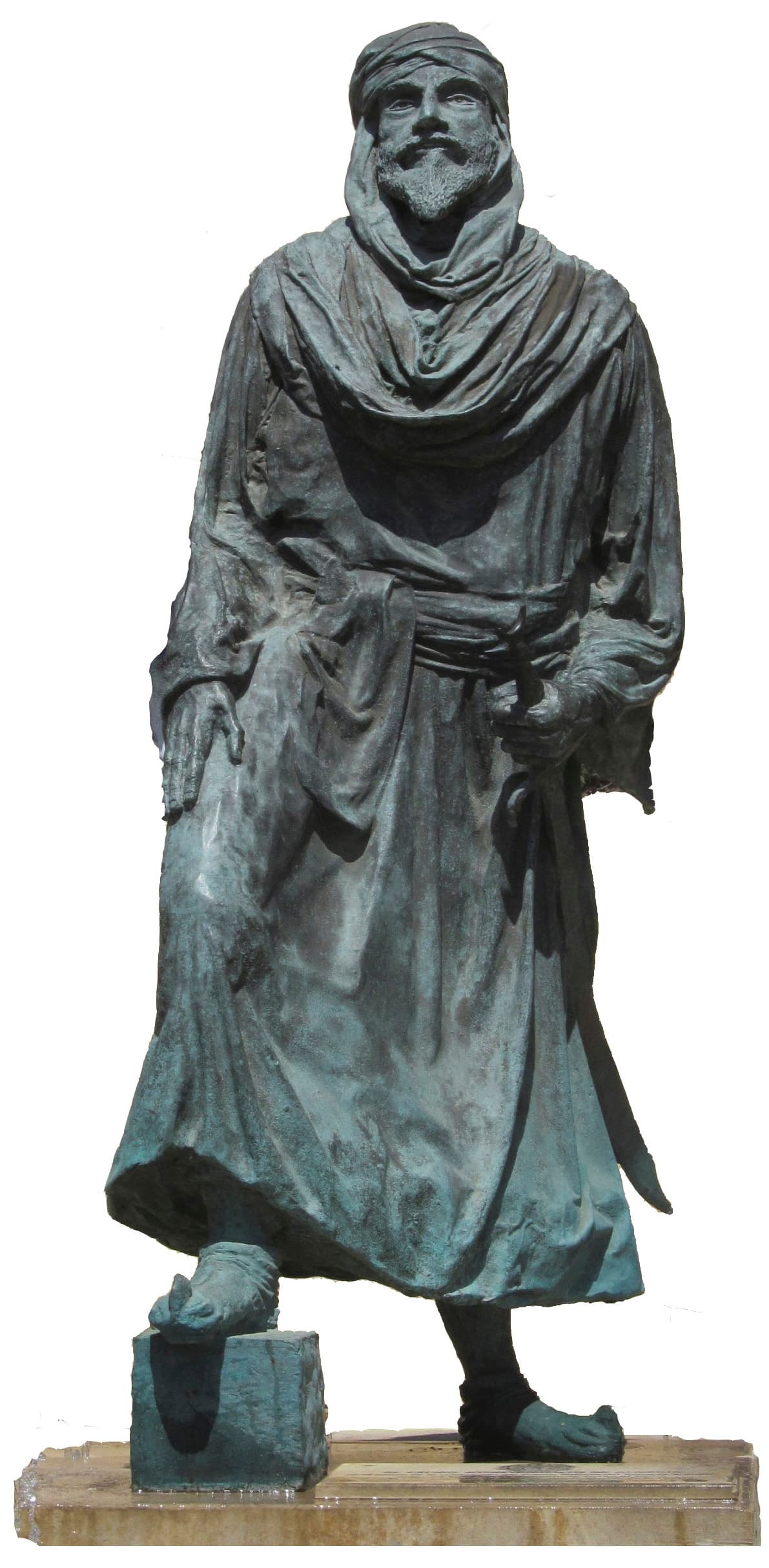 Wikipedia (es) - CC BY-SA
Muralla de Jayrán
Landmark
Medieval Arab fortification linking the Alcazaba to San Cristóbal hill, this impressive 11th-century rampart remains visible in the open air. Rarely crowded and freely accessible, it stands as a striking remnant of Almería's Islamic heritage.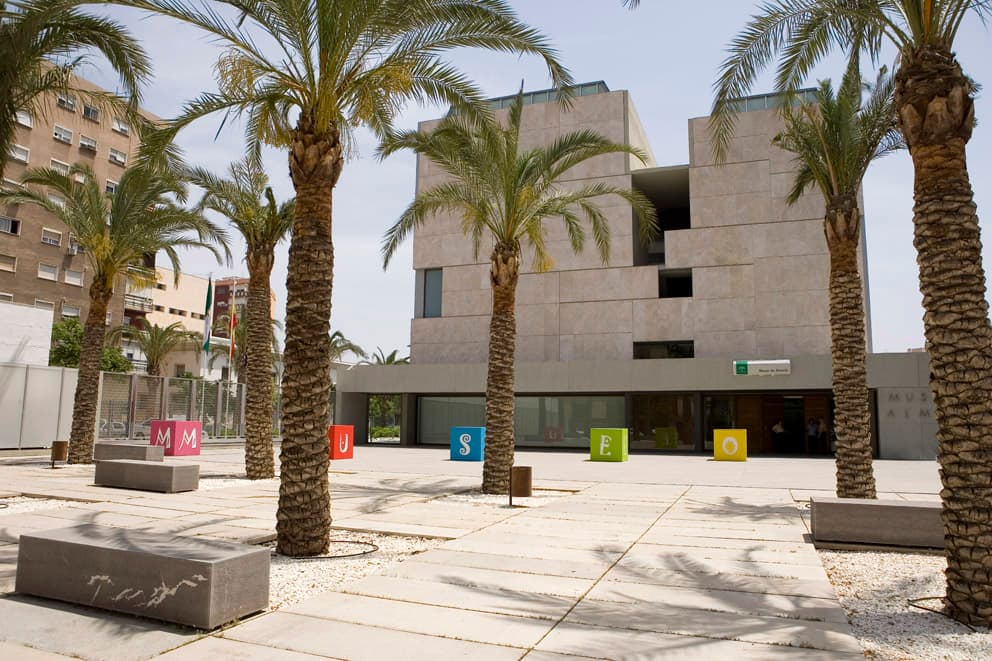 Wikipedia (es) - CC BY-SA
Almería Museum
Landmark
Archaeological museum housing the world's most significant collection of El Argar culture artefacts from the Bronze Age (2200–1500 BC). Little known but utterly compelling for understanding Western Europe's earliest civilisations. Wikipedia (es) - CC BY-SA
Cathedral of the Incarnation of Almería
Landmark
A 16th-century cathedral-fortress, unique in Spain for its defensive architecture against Barbary pirates. Inside, late Gothic and Renaissance merge with striking austerity. Wikipedia (fr) - CC BY-SA
Alcazaba of Almería
Landmark
A 10th-century Arab fortress dominating the city, one of Andalusia's largest. Its interior gardens and sea views make it unmissable, often far less crowded than the Alhambra. Wikipedia (es) - CC BY-SA
Civil War Shelters of Almería
Landmark
Network of anti-aircraft tunnels stretching 4.5 km beneath the city, excavated during the Spanish Civil War and remarkably intact. Now open to visitors, this poignant and little-known testament to Republican history offers a sobering glimpse into the conflict's civilian experience. Wikipedia (es) - CC BY-SA
Andalusian Centre of Photography
Landmark
Cultural centre devoted to photography, housed within an 18th-century convent and featuring rotating exhibitions of Spanish and international photographers. Free admission and a sophisticated programme of events. Wikipedia (es) - CC BY-SA
Almería Intermodal Station
Landmark
Moorish-style railway station built in 1893, an architectural masterpiece featuring horseshoe arches and ornate tilework. A monument in its own right that most travellers pass through without truly noticing. Wikipedia (es) - CC BY-SA
Barrio de La Chanca
Landmark
A colourful troglodytic quarter clinging to the hillside beneath the Alcazaba, inhabited by Romani families for centuries. Painted houses and steep winding streets offer rare, highly photogenic authenticity. Wikipedia (es) - CC BY-SA
Church of Santiago El Viejo
Landmark
The first church erected in Almería following the Reconquista, distinguished by a remarkable 16th-century Plateresque façade. Often open only during services, this preserves an authentically atmospheric experience within its walls.Arab Cistern of Almería
Landmark
Perfectly preserved 10th-century Arab water cistern located beneath Plaza de la Constitución, this hydraulic vestige of the medieval medina remains a fascinating underground space. Entry is free and unrestricted.Viewpoints (2)
 Wikipedia (es) - CC BY-SA
Mirador de la Alcazaba
Viewpoint
Vantage point crowning the Alcazaba, delivering a full 360° panorama across Almería's bay, the port, and the Sierra Nevada beyond. Free entry towards day's end, with the experience proving particularly magical at twilight. Wikipedia (fr) - CC BY-SA
San Cristóbal Hill
Viewpoint
Hilltop dominating Almería, crowned with a striking white cross and commanding unobstructed views across the bay and city. The straightforward climb from La Chanca neighbourhood draws locals regularly, especially in the early morning.