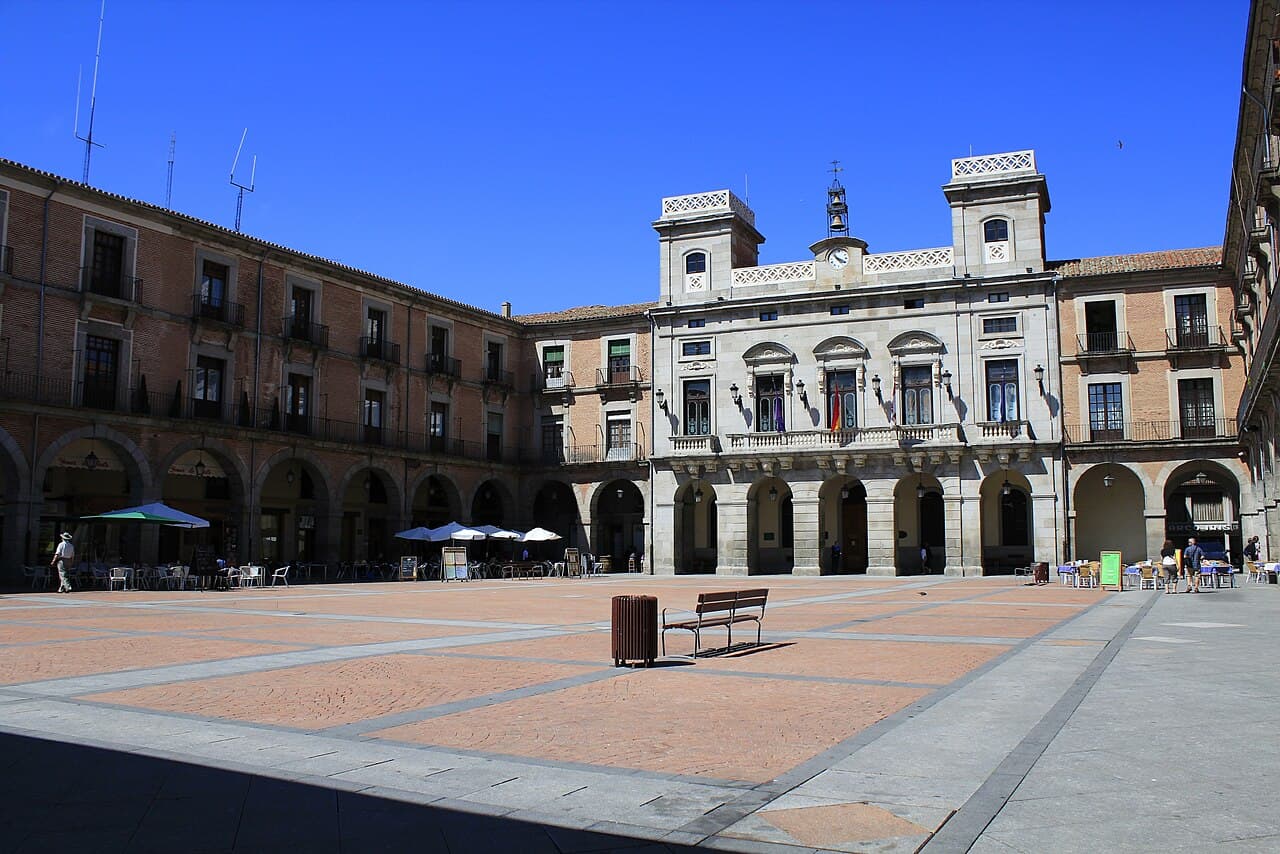
🇪🇸 Spain · Places to discover
What to see in Avila ?
20 places curated by Hozy - landmarks, nature, hidden restaurants and activities.
MAP · OVERVIEW
Ávila's entire raison d'être fits within its medieval ramparts. Built at 1,130 metres above sea level on the Castilian plateau, the town has retained rare architectural coherence: the eleventh-century murallas still encircle an inhabited centre, not a stage set. It's also the birthplace of Saint Teresa of Ávila, whose presence structures urban space as much as the local calendar.
Spring and early autumn offer the most temperate weather-summer on the plateau scorches, winter bites hard. One day is enough to walk around it, two if you linger at the Cathedral and the Convent of the Incarnation. From Madrid, the train from Chamartín takes less than ninety minutes. Avoid limiting your visit to the rampart walkway: the quieter interior of the town often reveals far more.
Landmarks & heritage (11)
 Wikipedia (es) - CC BY-SA
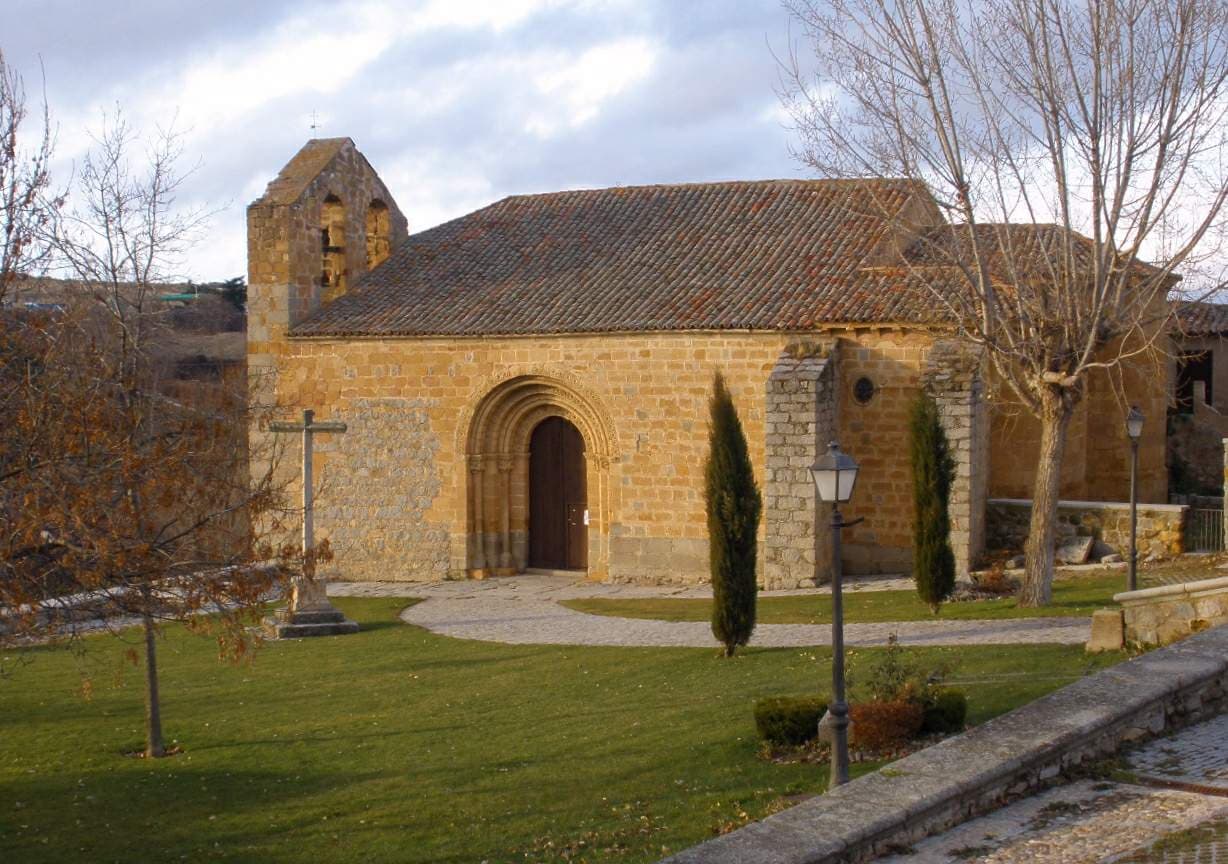
Hermitage of San Segundo
Landmark
Small 12th-century Romanesque hermitage on the banks of the Adaja, where a statue of Ávila's first bishop was discovered. A discreet pilgrimage site of absolute silence, often left open without a caretaker. Wikipedia (fr) - CC BY-SA
Church of San Pedro Apóstol
Landmark
Fine Romanesque-Gothic church overlooking the Plaza de Santa Teresa, with a remarkable rose window in the transept. Less visited than the cathedral, it offers an atmosphere of genuine contemplation. Wikipedia (es) - CC BY-SA
Palacio de los Velada
Landmark
Sixteenth-century Renaissance palace converted into a luxury hotel, its arcaded courtyard open to visitors. A perfect example of Castilian seigneurial architecture in the heart of the old town. Wikipedia (es) - CC BY-SA
Convent of Santa Teresa de Jesús
Landmark
Built on the birthplace of Saint Teresa of Ávila, mystic and Doctor of the Church. The adjoining museum preserves relics and autograph manuscripts of the reformer of the Carmelite order. Wikipedia (fr) - CC BY-SA
Church of San Juan Bautista
Landmark
Parish church on the Plaza del Mercado Chico where Saint Teresa was baptised. The Gothic nave preserves a 16th-century altarpiece and a neighbourhood atmosphere far removed from the Carmelite circuit. Wikipedia (es) - CC BY-SA
Convent of San José (Las Madres)
Landmark
The first convent founded personally by Saint Teresa in 1562, more intimate and less well-known than the Encarnación. Carmelite nuns still sell handmade preparations through the revolving hatch. Wikipedia (es) - CC BY-SA
Monastery of Santo Tomás
Landmark
Royal monastery of the Catholic Monarchs, pantheon of Prince Don Juan and seat of the Castilian Inquisition. The three interlocking cloisters represent a rare example of Isabelline Gothic architecture. Wikipedia (es) - CC BY-SA
Royal Monastery of the Encarnación
Landmark
Where Saint Teresa lived for 27 years and experienced her earliest mystical ecstasies. The parlour where she conversed with Saint John of the Cross is preserved exactly as it was—a place suspended in time. Wikipedia (es) - CC BY-SA
Walls of Ávila
Landmark
Europe's best-preserved medieval fortification, featuring 88 towers and 2.5 km of accessible rampart walk. The vista from the battlements across the old town and the Sierra de Gredos is breath-taking, especially at sunset. Wikipedia (es) - CC BY-SA
Cathedral of Ávila
Landmark
Spain's first Gothic cathedral, its apse cleverly integrated as a defensive tower within the ramparts. Inside, admire the retable by Master El Espinar and the alabaster tomb of Bishop Alonso de Madrigal. Wikipedia (es) - CC BY-SA
Basilica of San Vicente
Landmark
12th-century Romanesque masterpiece built on the martyrdom site of Saint Vincent. The polychrome cenotaph of the three martyrs ranks among the Iberian peninsula's finest Romanesque sculptures.Nature & parks (1)

Viewpoints (3)
 Wikipedia (es) - CC BY-SA
Los Cuatro Postes
Viewpoint
Sixteenth-century four-pillared cross on the north bank of the Adaja, offering postcard-perfect views of the ramparts lit by dusk. Here the young Teresa was caught whilst fleeing towards Moorish lands.Viewpoint at Puerta del Rastro
Viewpoint
Natural terrace on the southern ramparts overlooking the Adaja valley and the cereal fields of the Meseta. Less known than Los Cuatro Postes, it's the preferred spot of local photographers at dawn.Mirador del Risco de la Salamanca
Viewpoint
Dramatic viewpoint above the city, accessible on foot from the San Roque quarter and overlooked by tourist circuits. Sweeping vistas over terracotta roofs and the Ávila sierra in clear weather.Activities (4)
 Wikipedia (es) - CC BY-SA
Ávila Museum
Activity
Provincial museum housed in the 16th-century Deán Dávila palace, featuring an archaeological section covering Iberian verraco sculptures and a remarkable medieval sacred art collection. Few tourists visit; free entry at weekends. Wikipedia (es) - CC BY-SA
Mercado de Abastos de Ávila
Activity
Municipal covered market where provincial producers sell directly—Gredos cheeses, cured meats, and seasonal vegetables. The best place to understand local gastronomy.Route of the Convents of Ávila
Activity
Walking circuit linking eight convents within the city walls, some still inhabited by Carmelite nuns. A way to discover the mystical city of Saint Teresa away from organised groups.Visita Nocturna a las Murallas
Activity
Guided night-time circuit along the floodlit ramparts, run by the Municipal Tourism Board. Witnessing the old town bathed in golden light from the battlements is an unforgettable experience.