
🇪🇸 Spain · Places to discover
What to see in El Escorial ?
24 places curated by Hozy - landmarks, nature, hidden restaurants and activities.
MAP · OVERVIEW
El Escorial amounts to a single building: the Royal Monastery of San Lorenzo, commissioned by Philip II in the 16th century as pantheon, palace and library in one. This slab of grey granite set at the foot of the Sierra de Guadarrama says much about imperial Spain - its rigour, its ambition, its particular relationship with death and power. The village surrounding it lives in its shadow without being crushed by it, with its cobbled streets and terraces frequented by weekend visitors from Madrid.
A day trip from Madrid works well, reachable by suburban train (line C-8a, roughly an hour). Opt for September and October, when the low light rakes across the façade and school groups have vanished. Don't buy your ticket at the entrance on a Sunday morning: queues outside the main gate of the monastery can exceed two hours. Book online the night before.
Landmarks & heritage (8)
 Wikipedia (es) - CC BY-SA
Casita del Príncipe (El Escorial)
Landmark
An intimate neoclassical palace built for the Infante Gabriel, son of Charles III, nestled within the gardens below the monastery. Its luxurious interiors are frequently overlooked by hurried visitors. Wikipedia (es) - CC BY-SA
Royal Library of El Escorial Monastery
Landmark
Among the world's finest libraries, distinguished by Pellegrino Tibaldi's frescoed ceiling and 40,000 antique volumes. The collection of Arabic and Hebrew manuscripts is truly exceptional.Hermitage of the Virgin of Grace
Landmark
A modest sixteenth-century hermitage nestled among pine woods above the village, beloved by locals for Sunday walks. An unobstructed view of the monastery greets you along the approach path.Palace of Philip II - Royal Apartments
Landmark
The private chambers of Philip II, deliberately austere, create a striking contrast with the grandeur surrounding them. Here one senses the ascetic personality of the king who conceived this vast undertaking.Basilica of the Royal Monastery of El Escorial
Landmark
The central basilica of the complex, designed by Juan de Herrera, impresses with its geometric precision and monumental proportions. Luca Giordano's paintings adorning the vault deliver a visual masterpiece.Casita del Infante
Landmark
Eighteenth-century royal hunting lodge perched high in the Sierra, commanding panoramic views over the monastery and valley below. Less crowded than the Casita del Príncipe, it offers an idyllic setting.Pantheon of the Kings
Landmark
An octagonal crypt of black marble and gilded bronze housing nearly every Spanish monarch since Charles V. The solemn atmosphere and austere beauty of this necropolis leave a striking impression.Royal Monastery of San Lorenzo de El Escorial
Landmark
A masterpiece of Spanish Renaissance architecture commissioned by Philip II, uniting royal palace, monastery, basilica and pantheon under one monumental structure. Essential viewing, though arriving early avoids coach parties.Nature & parks (5)
 Wikipedia (es) - CC BY-SA
Valmayor Reservoir
Nature
A natural water basin a few kilometres from El Escorial, surrounded by pines and holm oaks. Locals come here to picnic and watch migrating birds, far removed from the main tourist circuit. Wikipedia (es) - CC BY-SA
La Herrería Forest
Nature
A royal forest of ancient oaks designated a biosphere reserve, spreading across the foothills below the monastery. This shaded walk proves ideal in summer; deer can be spotted at dawn in autumn. Wikipedia (es) - CC BY-SA
Monte Abantos
Nature
A 1,753-metre summit dominating the Sierra de Guadarrama, accessible from El Escorial via a waymarked ten-kilometre trail. The 360-degree views stretch across both Castiles and, on clear days, all the way to Madrid.Fuente del Estudiante
Nature
Natural spring in the woods at the edge of La Herrería, a traditional meeting point for El Escorial families' Sunday picnics. Cool water and shade guaranteed even at the height of summer.Gardens of the Monastery of El Escorial
Nature
Sixteenth-century French-style geometric gardens featuring clipped box hedges and fountains. Often hurried through, they truly deserve an unhurried hour of quiet wandering.Viewpoints (3)
 Wikipedia (es) - CC BY-SA
Tomillar Viewpoint
Viewpoint
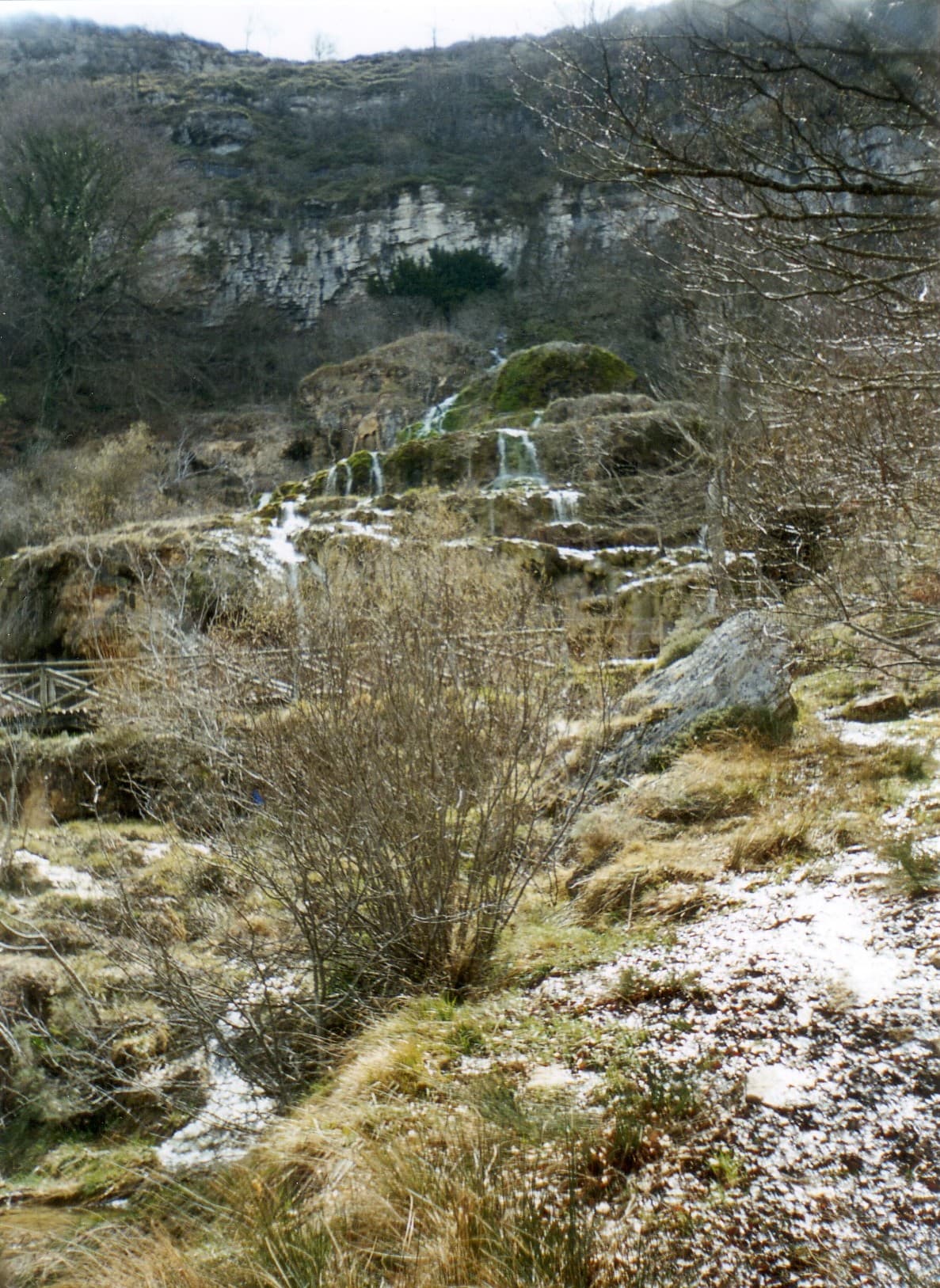
A natural vantage point high in the Sierra de Guadarrama offering sweeping views down over the monastery and the Jarama valley. Reached on foot from the town centre in 30 minutes, it's a local favourite at sunset. Wikipedia (es) - CC BY-SA
Philip II's Throne
Viewpoint
A granite outcrop carved into the shape of a throne from which, legend holds, Philip II once surveyed his monastery's construction. A two-kilometre walk from the village rewards you with a commanding panorama of the entire complex.Viewpoint over the Valle de los Caídos
Viewpoint
Natural vantage point on the Guadarrama road from which the monumental cross of the Valle de los Caídos rises starkly against the sierra. An accessible roadside panoramic stop, rarely signposted.Activities (4)
 Wikipedia (es) - CC BY-SA
Sendero de los Robledales - GR-10
Activity
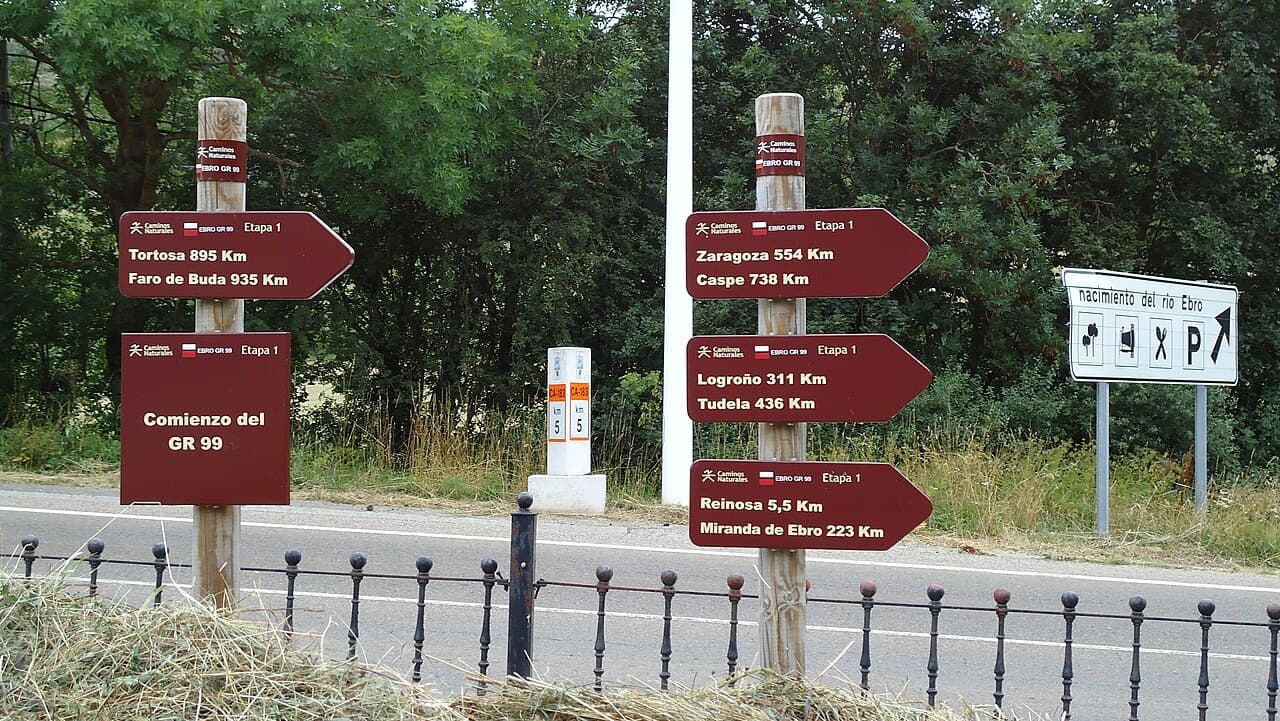
A section of the GR-10 trail traversing century-old oak forests between El Escorial and Zarzalejo. This moderate-level walk (12 km) offers a complete immersion in the sierra away from well-trodden tourist routes. Wikipedia (es) - CC BY-SA
Visitor Centre of the Regional Park of the Upper Manzanares Basin
Activity
The ideal starting point for exploring the regional park, with maps and advice from forest wardens. Exhibitions on local wildlife—golden eagles, griffon vultures—and trails suited to all abilities.Monastery Architecture Museum
Activity
An often-overlooked room within the monastery complex displaying original models and tools used in construction. Fascinating for understanding the 16th-century engineering achievement.Real Club de Golf La Herrería
Activity
An 18-hole golf course laid out through the royal forest of La Herrería, with the monastery as a dramatic backdrop. One of the most beautiful and historic courses in the Community of Madrid.More to discover (4)
 Wikipedia (es) - CC BY-SA
El Escorial Railway Station
Place
Historic nineteenth-century granite station, arrival point for trains from Madrid-Atocha. The building itself bears witness to Castilian railway architecture and merits a closer look.Calle Floridablanca – Historic Village of El Escorial
Place
Main street of the old El Escorial village (distinct from San Lorenzo), lined with seventeenth-century granite houses and family-run provisions shops run by locals for generations.Municipal Market of El Escorial
Place
Covered market where sierra producers sell goat's cheese, mountain honey and artisanal charcuterie. Saturday mornings see the stalls overflowing with garden vegetables and seasonal wild mushrooms.Plaza de la Constitución de San Lorenzo de El Escorial
Place
The bustling central square of the village, lined with granite porticoes characteristic of Herrera architecture. This is where the local heartbeat pulses: Sunday market, café terraces and neighbourly conversation.