
🇪🇸 Spain · Places to discover
What to see in Fuerteventura ?
25 places curated by Hozy - landmarks, nature, hidden restaurants and activities.
MAP · OVERVIEW
Fuerteventura is the oldest and flattest island in the Canary archipelago, sculpted by wind and erosion over millions of years. What strikes you on arrival is the unabashed aridity: ochre and lunar landscapes that recall the Sahara, just 100 kilometres away. The beaches of Corralejo in the north and the dunes of Sotavento in the south concentrate the bulk of what the island does best: sand, wind, and space.
The ideal season runs from October to April, when the heat remains manageable and the wind consistent enough for kitesurfers. Allow five to seven days to explore the island without rushing, in a hire car-essential, as public transport covers little. The classic trap: staying confined to the south around Morro Jable and missing the interior, white villages like Betancuria, and the deserted roads that cross the Jandía massif.
Landmarks & heritage (8)
 Wikipedia (fr) - CC BY-SA
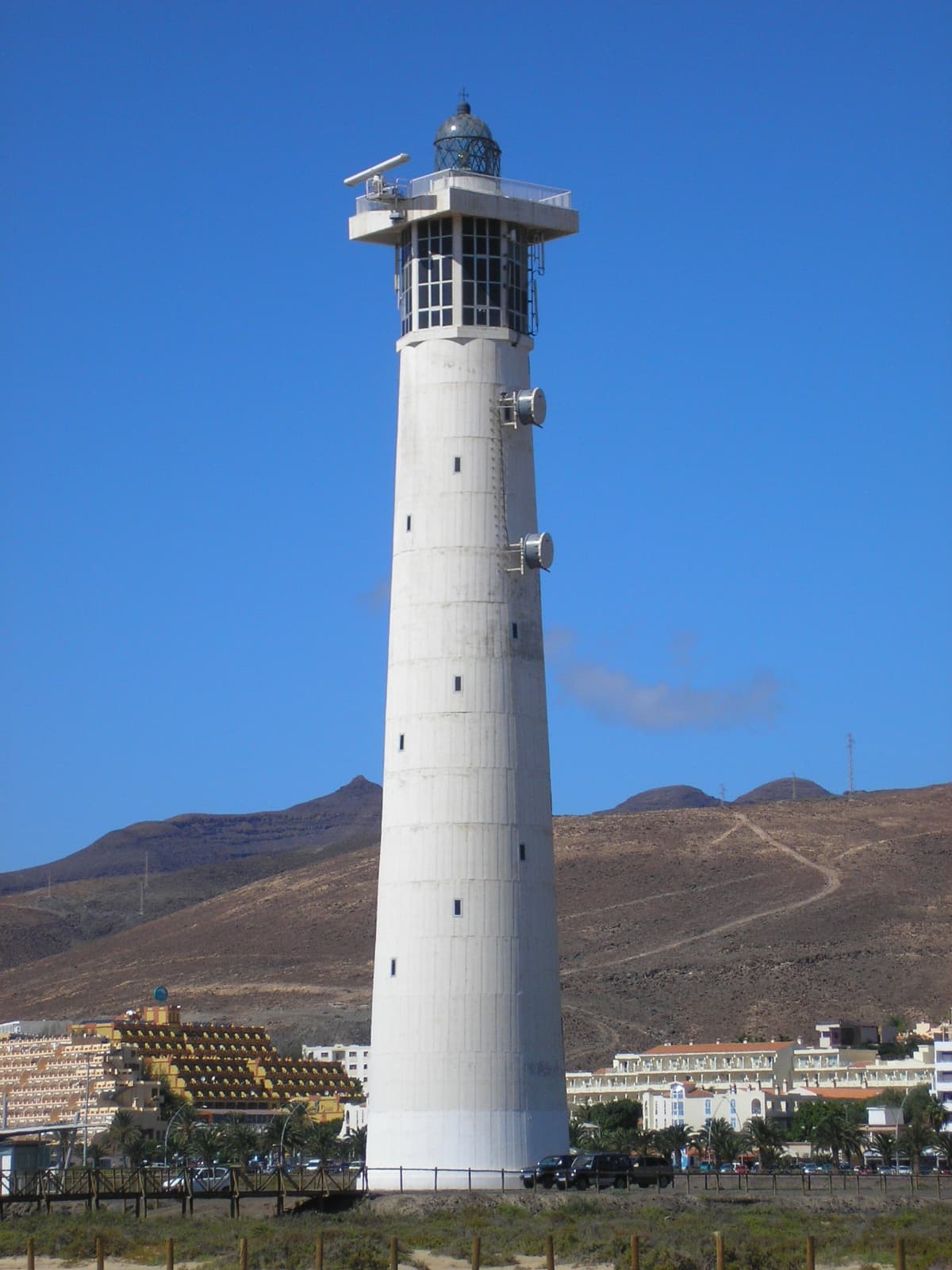
Faro de Morro Jable
Landmark
An isolated lighthouse at the southern tip of the Jandía peninsula, accessible by an unpaved track. A world's end between the Atlantic Ocean and wild dunes, almost always deserted. Wikipedia (fr) - CC BY-SA
Casa Museo de Unamuno
Landmark
A house-museum dedicated to Miguel de Unamuno, who was exiled to Puerto del Rosario in 1924. A moving testament to Spanish intellectual life under the dictatorship of Primo de Rivera. Wikipedia (es) - CC BY-SA
Castillo de El Tostón
Landmark
A modest 18th-century coastal fort at El Cotillo, restored and converted into a museum of traditional fishing. Commanding views of turquoise lagoons to the north from its ramparts. Wikipedia (es) - CC BY-SA
Poblado Aborigen de La Atalayita
Landmark
A pre-Hispanic archaeological site of the ancient Mahoreros, a Berber people of the island. Reconstructed dry-stone dwellings stand in a desert landscape of striking authenticity. Wikipedia (en) - CC BY-SA
Betancuria
Landmark
The island's former capital nestled in a volcanic valley, founded in the 15th century. Fuerteventura's best-preserved village, with whitewashed lanes and the Church of Santa María dating to 1410.Arco de las Peñitas
Landmark
A hermitage perched within a spectacular volcanic canyon near Vega de Río Palmas. This quiet pilgrimage site is where islanders venerate the Virgin of la Peña, patroness of the island.Molinos de Tiscamanita
Landmark
A collection of beautifully restored traditional windmills at the heart of the island, emblematic of the Majorero landscape. One of them houses a grain and milling museum, documenting an activity that was vital to the island for centuries.Church of Santa María de Betancuria
Landmark
The oldest church in the Canary Islands, built in 1410 upon the ruins of a mosque. Its interior shelters colonial frescoes and woodwork of rare authenticity.Nature & parks (3)
 Wikipedia (es) - CC BY-SA
Salinas del Carmen
Nature
Historic salt marshes on the eastern coast, operational since the 18th century, with an integrated salt museum within the basins. A vital habitat for flamingos and migratory waders, particularly abundant in autumn. Wikipedia (en) - CC BY-SA
Isla de Lobos
Nature
A deserted islet 2 km off Corralejo, an integral nature reserve teeming with seabirds. An hour's ferry ride away, it offers complete escape: crystalline lagoons, volcanic trails and absolute silence. Wikipedia (es) - CC BY-SA
Dunes of Corralejo
Nature
A natural park encompassing 2,700 hectares of golden sand dunes, designated a nature reserve and facing the island of Lobos. A breathtaking Saharan landscape best explored early in the morning before the crowds arrive.Viewpoints (2)
Mirador de Morro Velosa
Viewpoint
A viewpoint at 669 metres overlooking the Betancuria valley, with sweeping views across the central part of the island. An adjoining museum showcases the geology and natural history of the Canary Islands.Mirador de Sicasumbre
Viewpoint
A vantage point at 451 metres altitude in the centre of the island, affording 360° panoramas of both coasts and neighbouring islands. A former military lookout post transformed into a scenic viewpoint.Activities (5)
Caleta de Fuste
Activity
A sheltered bay diving spot with an onsite PADI school, perfect for beginners. Artificial reefs and nearby wrecks shelter moray eels, rays and vast schools of barracuda.Marine Turtle Watching at Morro Jable
Activity
The waters south of the Jandía peninsula support a thriving population of loggerhead turtles (Caretta caretta). Glass-bottomed boat tours and kayaking expeditions offer the chance to observe these creatures in their natural habitat.Surfing at El Cotillo
Activity
A renowned left-hand break facing the fishing village of El Cotillo, favoured by locals and professional surfers alike. Several reputable surf schools cater to beginners, offering a relaxed alternative to the bustle of Corralejo.Barranco de las Peñitas Hike
Activity
A spectacular volcanic gorge stretching between Vega de Río Palmas and the Peñitas hermitage, this 2-hour round-trip trek traverses an otherworldly lunar landscape. The waymarked path follows a seasonal stream—a rare sight on Fuerteventura—through dramatic rock formations.Windsurfing and Kitesurfing at Flag Beach
Activity
A world-renowned spot for windsurfing and kitesurfing, with schools offering tuition for all abilities. The consistent north-easterly trade winds blow 300 days a year, guaranteeing ideal conditions.Beaches (5)
 Wikipedia (fr) - CC BY-SA
Sotavento de Jandía Beach
Beach
A natural lagoon stretching several kilometres, formed by a sand bar and a world-renowned spot for windsurfing and kitesurfing. Shallow, turquoise waters make it ideal for families at low tide. Wikipedia (es) - CC BY-SA
Playa de Cofete
Beach
A wild 12 km beach on the Atlantic coast of Jandía, accessible only by unpaved track. Powerful waves, dramatic cliffs and virtually no tourists—authentic Fuerteventura as it once was.Esquinzo-Butihondo Beach
Beach
A succession of wild coves between Morro Jable and Pájara, accessible on foot from the coastal road. Pristine white sand and clear waters, entirely free of tourist infrastructure.El Cotillo Lagoons
Beach
Natural pools formed by volcanic rocks north of El Cotillo, with surreally blue waters. Popular with locals at weekends, they offer sheltered swimming away from crowds during the week.Playa de Papagayo
Beach
Collection of golden-sand coves beneath ochre cliffs in the Los Ajaches nature reserve, reached by dirt track. The turquoise waters are exceptionally clear, favoured by locals who know where to park.More to discover (2)
 Wikipedia (es) - CC BY-SA
El Cotillo Village
Place
A former fishing village in the northwest that has retained its authenticity despite rising tourism. Whitewashed alleyways, colourful boats beached on the shore and a tapas bar run by retired fishermen capture the essence of coastal life.Mercado Municipal de Puerto del Rosario
Place
The capital's covered market where locals do their daily shopping: fresh vegetables from local smallholdings, creamy Majorero cheese and fish fresh from the harbour auction. Best visited on Tuesday and Friday mornings.