
🇪🇸 Spain · Places to discover
What to see in Las Palmas ?
24 places curated by Hozy - landmarks, nature, hidden restaurants and activities.
MAP · OVERVIEW
Las Palmas de Gran Canaria operates on a paradox: it's a port city of 400,000 people that moves at its own rhythm, between the colonial-façaded Vegueta old quarter and Las Canteras urban beach where locals swim in January. African influence, conquistador memory and a thriving Canarian cultural scene intersect here without fuss, far from the beach-resort image of the south.
Spring and autumn are most pleasant, though the climate is stable year-round-precisely why it attracts so many digital nomads. Two to three days captures the essence. Local buses (guaguas) cover the city well, taxis remain cheap. Don't confine yourself to the Las Canteras seafront: it's Vegueta and the Mercado del Puerto where the city truly reveals itself.
Landmarks & heritage (8)
 Wikipedia (fr) - CC BY-SA
Pérez Galdós House Museum
Landmark
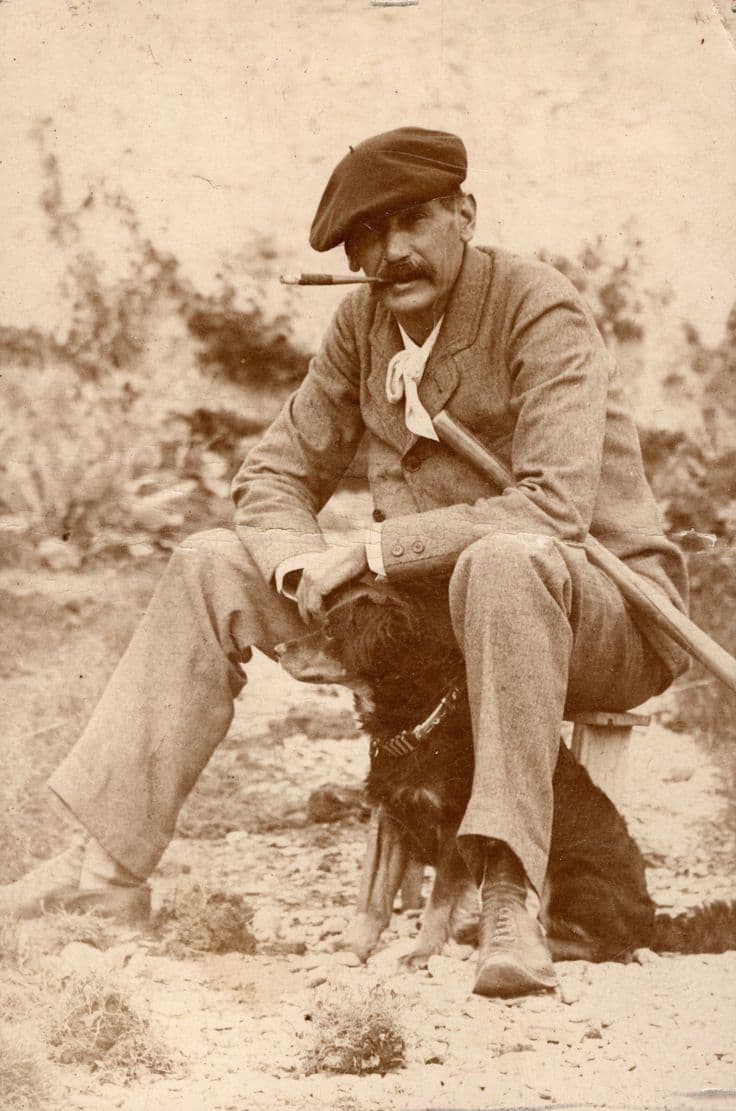
The birthplace of Spain's greatest nineteenth-century novelist, now an intimate museum. Locals take the same pride in it as Parisians do in Balzac's home—a spot little known to tourists but cherished by residents. Wikipedia (en) - CC BY-SA
Casa de Colón
Landmark
A 15th-century palace where Christopher Columbus is said to have lodged before his Atlantic crossing. The museum chronicles his voyages to the New World through a remarkable collection of contemporary maps and artefacts. Wikipedia (en) - CC BY-SA
Cathedral of Santa Ana
Landmark
A Gothic-Neoclassical cathedral constructed over five centuries, commanding the Plaza de Santa Ana in historic Vegueta. The blend of architectural styles is itself a compelling narrative of the Canary Islands' colonial past. Wikipedia (es) - CC BY-SA
Vegueta Market
Landmark
A nineteenth-century covered market of cast iron and glass, housing stalls of tropical fruits, fresh fish and Canarian cheeses. The authentic heartbeat of the historic quarter, bustling with locals from early morning. Wikipedia (es) - CC BY-SA
Pérez Galdós Theatre
Landmark
A neoclassical theatre inaugurated in 1919, dedicated to Canarian writer Benito Pérez Galdós. Its listed façade and interior are worth the visit, and its cultural programming ranks among the richest in the Canary Islands.Castillo de la Luz
Landmark
A fifteenth-century fortress on the harbour, among the oldest in the Canary Islands, now converted into a contemporary art centre dedicated to artist Martín Chirino. The contrast between medieval walls and modern art is striking.Ermita de San Telmo
Landmark
A small baroque chapel tucked away in the Triana quarter from the seventeenth century, often overlooked by hurried visitors. Its interior, laden with maritime ex-votos, speaks to the city's profound connection with the Atlantic.Vegueta Quarter
Landmark
The founding colonial district of Las Palmas, characterised by cobbled streets, wooden-balconied houses and flower-filled courtyards. One of Spain's finest preserved historic centres, vibrant and genuinely lived-in.Nature & parks (3)
 Wikipedia (es) - CC BY-SA
Doramas Park
Nature
Historic park in the Ciudad Jardín neighbourhood, with century-old palms, an Art Deco Santa Catalina hotel and a traditional Canarian pueblo. The green lung of the residential quarters, far from tourist bustle. Wikipedia (en) - CC BY-SA
Canary Islands Botanical Garden Viera y Clavijo
Nature
Spain's largest botanical garden, nestled in a ravine at Tafira. Over 500 endemic Canarian species flourish among ravines and cliffs—an immersion in the unique island flora found nowhere else on earth. Wikipedia (en) - CC BY-SA
Bandama Natural Park
Nature
A volcanic caldera 1 km in diameter and 200 m deep, just thirty minutes from the city centre. The trail descending into the crater to an abandoned farmstead is among Gran Canaria's most spectacular walks.Viewpoints (3)
 Wikipedia (es) - CC BY-SA
Mirador del Pico de Bandama
Viewpoint
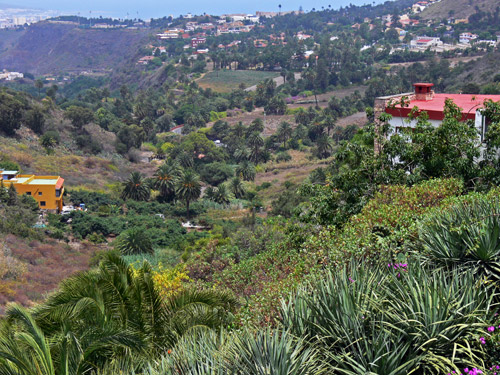
Summit of the Bandama volcanic massif at 574 metres, offering 360-degree views across Gran Canaria, the eastern coastline and neighbouring islands. In the early morning before the mist sets in, the vista across the caldera below is absolutely breathtaking. Wikipedia (en) - CC BY-SA
La Atalaya Viewpoint
Viewpoint
A vantage point high in Santa Brígida overlooking the city, the Atlantic and, on clear days, Tenerife. Locals make the ascent at sunset for the panoramic sweep across Las Palmas and the sea. Wikipedia (en) - CC BY-SA
Alfredo Kraus Auditorium
Viewpoint
Iconic building by architect Oscar Tusquets, perched on rocks facing the Atlantic at the far end of Las Canteras beach. The view from its terrace across the ocean and city is among Las Palmas' finest.Activities (4)
 Wikipedia (es) - CC BY-SA
Museo Néstor
Activity
Museum dedicated to symbolist painter Néstor Martín-Fernández de la Torre, housed within the Pueblo Canario in Parque Doramas. This Art Deco gem contains monumental canvases and an impressive collection of traditional Canarian costumes. Wikipedia (en) - CC BY-SA
Barrio de Triana - Calle Mayor de Triana
Activity
Historic pedestrian street in the Triana quarter, a commercial artery since the nineteenth century with Art Nouveau and Modernist façades. Residents have shopped here for generations, far removed from modern shopping centres. Wikipedia (es) - CC BY-SA
CAAM - Atlantic Centre for Modern Art
Activity
Contemporary art museum housed in an 18th-century palace in Vegueta, focused on cultural exchange between Africa, Latin America and the Canaries. Sharp programming and often surprising exhibitions.Surf School Las Canteras
Activity
The northern end of Las Canteras, known as La Cicer, is the Canaries' best-known urban surf spot. Several local schools offer beginner lessons in consistent, supervised waves.Beaches (4)
Playa del Confital
Beach
Wild, rocky beach north of La Isleta, a celebrated longboard surfing spot and favourite jogging route for locals at sunrise. No tourist infrastructure whatsoever, just sea, rock and wind.Playa de Las Alcaravaneras
Beach
Sheltered beach on the peninsula's eastern shore, protected from the wind and frequented almost exclusively by local residents. Less dramatic than Las Canteras but perfect for swimming without the crowds.La Laja Beach
Beach
A volcanic black-sand beach south of the city, nearly deserted on weekdays and favoured mainly by local surfers. It offers a raw, authentic side of Las Palmas, well away from tourist circuits.Las Canteras Beach
Beach
One of Europe's finest urban beaches, sheltered by a natural rocky bar that creates a placid lagoon spanning 3 km. Locals swim here year-round, and the Paseo de Las Canteras remains their daily promenade.More to discover (2)
 Wikipedia (es) - CC BY-SA
Mercado de Las Palmas - Mercado de San Telmo
Place
Art Nouveau market from 1943 at the heart of Triana, with traditional coffee kiosks beneath a glazed roof. Locals have taken their morning coffee here for decades—as much a social institution as a commercial one. Wikipedia (es) - CC BY-SA
Barrio de La Isleta
Place
Fishing quarter at the northern tip of the peninsula, characterised by low-rise colourful houses and bustling alleyways. The real, unpretentious Las Palmas, where elderly locals play dominoes outside bars and fishing nets dry in the sun.