🇪🇸Spain · Places to discover
What to see in Oviedo?
22 places selected by the community - landmarks, nature, hidden restaurants and activities.
Oviedo is the capital of Asturias, a northern Spanish city that has grown around its medieval core without ever being consumed by mass tourism. The Gothic cathedral and the La Balesquida quarter set the tone: dense architecture, authentic street life, and a relationship with food-fabada, cider poured from shoulder height-that genuinely structures daily life for locals.
Spring and early autumn are the best windows, before Atlantic rain settles in properly. Two days are enough to explore the centre on foot, but a third day lets you easily reach the coast or the pre-Pyrenean Asturian ranges. Avoid restaurants displaying laminated photographs around the Plaza del Fontán: the proper sidrerías are a street over, no neon sign needed.
Landmarks & heritage
10 places
 1Wikipedia · CC BY-SA
Landmark
Historic Building of the University of Oviedo
A 17th-century baroque university building with a remarkably serene interior cloister. Founded in 1608, the university is among Spain's oldest, and its grand hall is well worth seeing.
 2Wikipedia · CC BY-SA
Landmark
Asturian Archaeological Museum
Housed in the former monastery of San Vicente, this museum traces 100,000 years of Asturian history with an exceptional pre-Romanesque collection. The Renaissance cloister is itself a work of art.
 3Wikipedia · CC BY-SA
Landmark
Cathedral of San Salvador de Oviedo
A 14th-century Gothic jewel housing the Cámara Santa, a pre-Romanesque treasure inscribed on the UNESCO World Heritage list. The cloisters and asymmetrical tower merit exploration as much as the precious relics within.
 4Wikipedia · CC BY-SA
Landmark
Church of San Julián de los Prados (Santullano)
Asturias's largest 9th-century pre-Romanesque church, featuring unique murals imitating Roman architecture. UNESCO-listed yet often overlooked by hurried visitors, it rewards closer attention.
 5Wikipedia · CC BY-SA
Landmark
Church of San Miguel de Lillo
Companion to Santa María del Naranco atop Mount Naranco, this ninth-century pre-Romanesque sanctuary showcases sculptures and claustra windows unique in all of Europe. Less visited, it deserves equal attention from discerning travellers.
 6Wikipedia · CC BY-SA
Landmark
Plaza del Fontán
The historic heart of Oviedo with its 18th-century arcades and traditional Sunday market. Locals gather here for coffee beneath the colonnades, far from the tourist throng.
- 7
Landmark
Landmark
Escultor Fountain
An emblematic sculptured fountain in the Campo de San Francisco, a classic meeting point for Oviedenses since the nineteenth century. Surrounded by sculptures honouring the city's celebrated figures, including Clarín.
- 8
Landmark
Landmark
Valdecarzana Palace
A fourteenth-century medieval palace with a defensive tower and remarkable heraldic façade, tucked away in a narrow lane of old Oviedo. Often overlooked by guidebooks, it ranks among the city's finest surviving civic buildings.
- 9
Landmark
Landmark
Palacio de Camposagrado
An 18th-century baroque façade considered one of Asturias's finest, now home to the Superior Court of Justice. The interior courtyard, accessible during open-house days, is magnificent.
- 10
Landmark
Landmark
Church of Santa María del Naranco
Ninth-century pre-Romanesque palace converted into a church, perched on Mount Naranco with commanding views over Oviedo. An absolute masterpiece of Asturian art and UNESCO-listed, yet often quieter than the cathedral below.
Nature & parks
5 places
 11Wikipedia · CC BY-SA
Nature
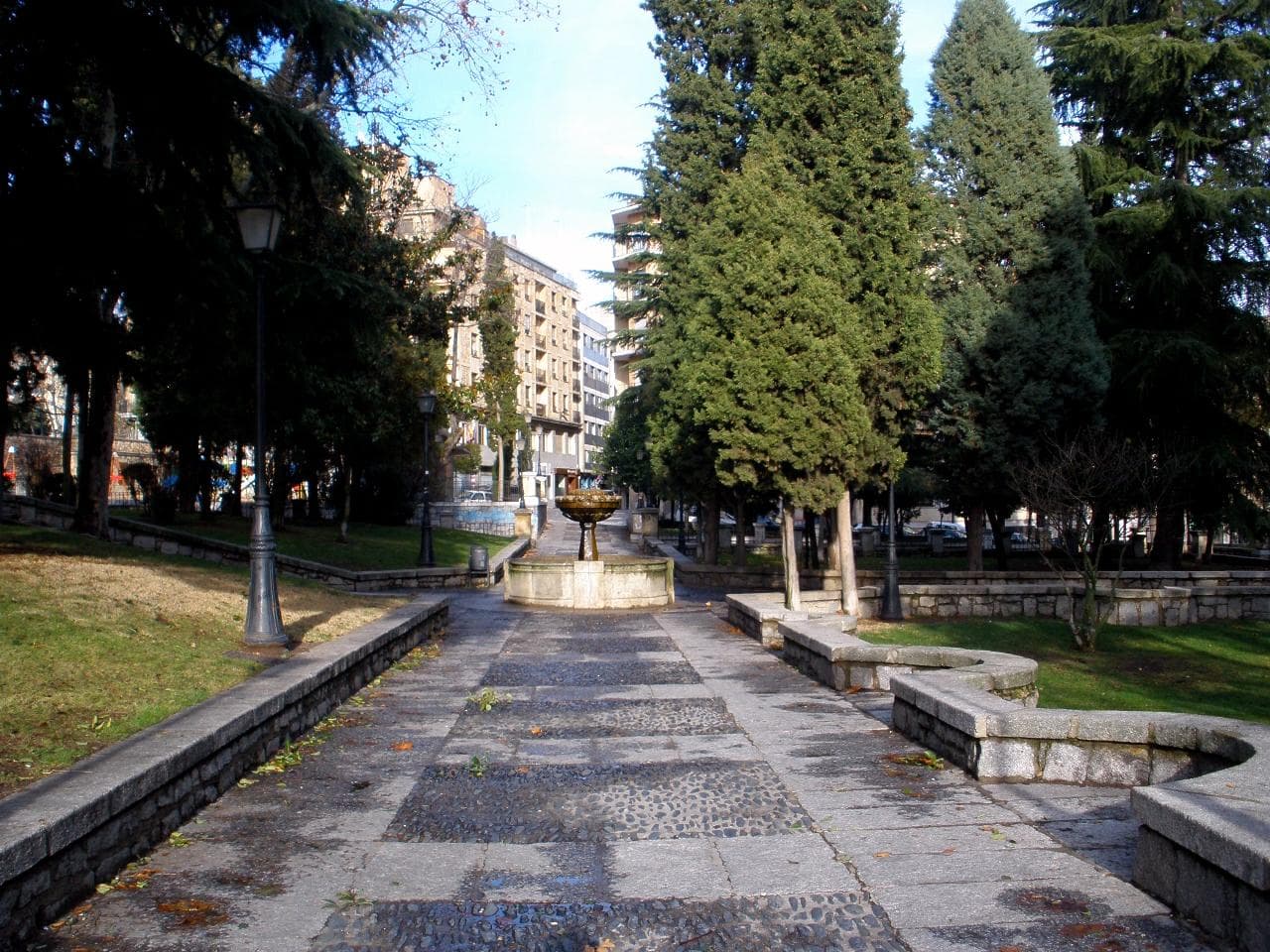
Parque de San Francisco
The green heart of the city centre, with free-roaming peacocks, fountains and venerable century-old trees. An essential rendezvous for Oviedo residents on their morning stroll or afternoon nap beneath the limes.
 12Wikipedia · CC BY-SA
Nature
Monte Naranco
A wooded hilltop dominating Oviedo at 660 metres, reachable on foot from the city centre in 30 minutes. Its trails offer panoramic views across the city and, on clear days, to the Picos de Europa.
 13Wikipedia · CC BY-SA
Nature
Oviedo Botanical Garden
A discreet yet remarkable municipal botanical garden featuring Atlantic plants and a tropical greenhouse. Perfect for a green interlude just steps from the historic centre.
 14Wikipedia · CC BY-SA
Nature
Parque de Invierno
A spacious urban park beloved by Oviedo families for its shaded avenues, ponds and relaxed atmosphere. Away from tourist circuits, it's where the city's true pulse beats at weekends.
- 15
Nature
Nature
Río Nalón - Riberas del Naranco
Walking trail skirting the wooded banks of the Naranco at the foot of the city, popular with local joggers and strollers. A touch of nature just 15 minutes' walk from the historic centre.
Viewpoints
1 place
- 16
Viewpoint
Viewpoint
Mirador del Naranco
A viewpoint at the summit of Monte Naranco offering 360-degree vistas of Oviedo, the Cantabrian Sea and the Picos de Europa. A sunset here outshines any panoramic restaurant in the world.
Activities
3 places
 17Wikipedia · CC BY-SA
Activity
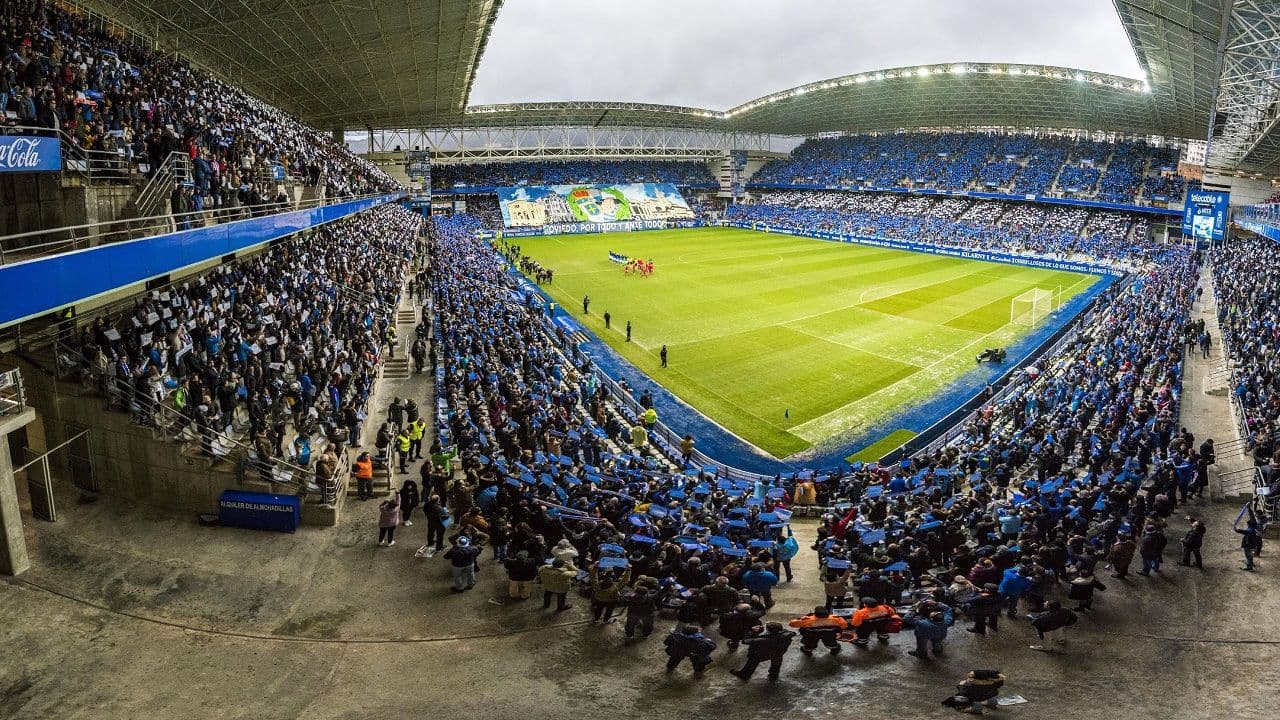
Estadio Carlos Tartiere
Home of Real Oviedo, the historic Asturian football club with fierce popular devotion. Attending a Liga match, even in the second division, immerses you in the very soul of the city.
 18Wikipedia · CC BY-SA
Activity
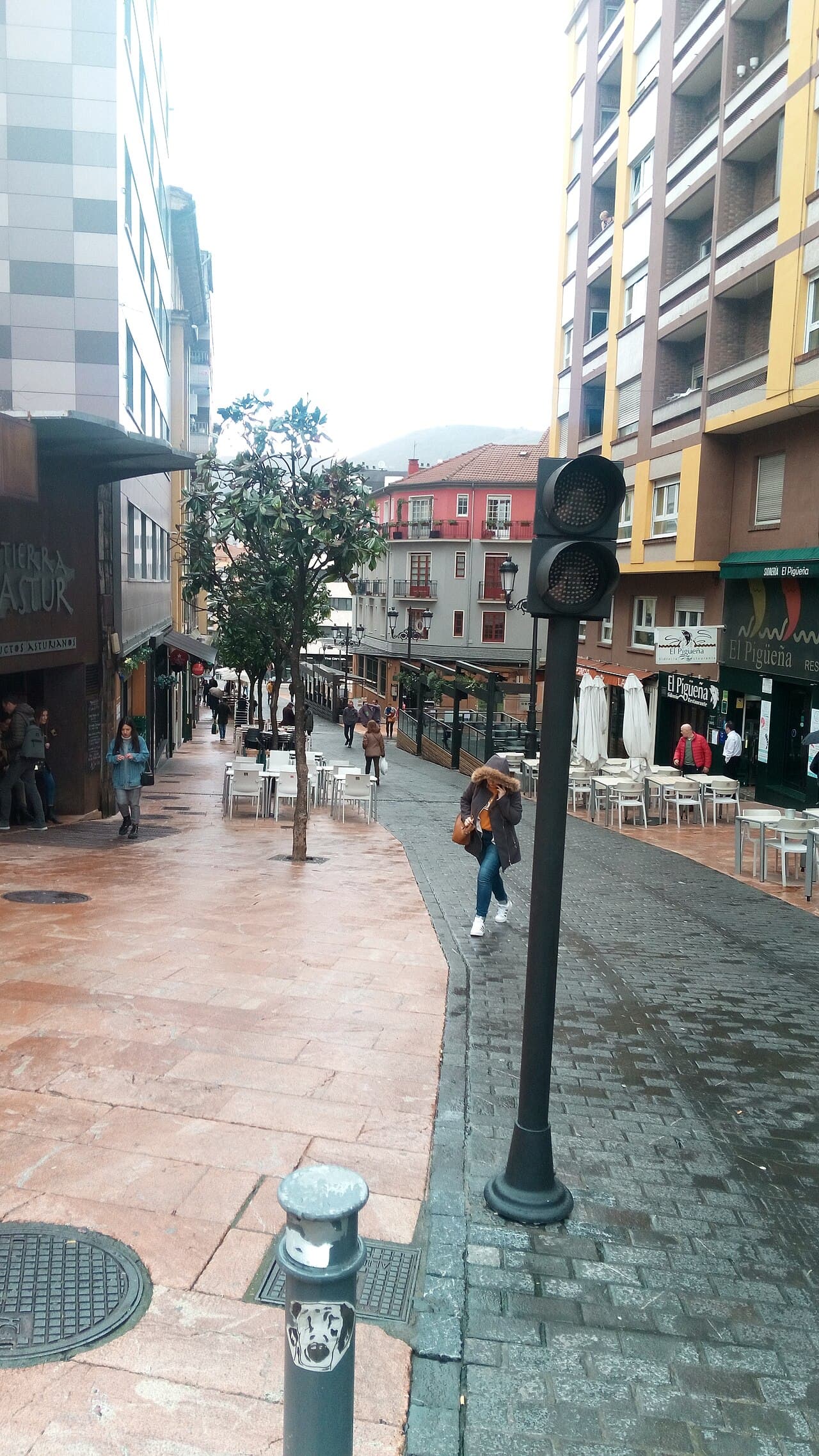
Calle Gascona - El Bulevar de la Sidra
A street entirely devoted to traditional cider houses, designated Asturian cultural heritage. The ritual of escanciado—pouring cider from on high—is performed in all its authenticity here each evening.
 19Wikipedia · CC BY-SA
Activity
Museo de Bellas Artes de Asturias
One of the finest art museums in northern Spain, home to works by Goya, El Greco and Picasso. Housed in two 17th-century palaces, with free admission on Tuesdays.
More to discover
3 places
 20Wikipedia · CC BY-SA
Place
El Cristo Market
An authentic neighbourhood market patronised exclusively by locals in the El Cristo quarter, bypassed by the tourist circuit. The vegetable stalls, charcuterie and fresh Cantabrian coast fish are of impeccable quality.
 21Wikipedia · CC BY-SA
Place
Historic Quarter - La Vegueta District
A medieval neighbourhood of cobbled lanes radiating from the cathedral, characterised by wooden-balconied houses and traditional cider bars. The authentic pulse of old Oviedo thrives here, away from the tourist trail.
 22Wikipedia · CC BY-SA
Place
Former Oviedo Arms Factory
A nineteenth-century weapons manufactory converted into a university campus, boasting remarkable industrial architecture and tranquil interior gardens. This overlooked repository of Asturian industrial heritage merits greater recognition.
Also 🇪🇸 in Spain