
🇪🇸 Spain · Places to discover
What to see in Pampelune ?
21 places curated by Hozy - landmarks, nature, hidden restaurants and activities.
MAP · OVERVIEW
Pamplona is a Spanish Basque city that lives at two speeds: eleven months of quiet daily life in its medieval alleys, and seven days of San Fermín in July that transform the city into something else entirely. The compact, walkable old town concentrates a pintxos bar culture that rivals San Sebastián, with Plaza del Castillo as its natural hub.
Outside San Fermín, September and October offer pleasant weather and a city on human scale, ideal over two days. Pamplona is easily reached by bus from Bilbao or Madrid; train connections are impractical. If you're coming for the festival, book accommodation six months in advance and avoid the vicinity of Calle Estafeta on the morning of the encierro if you don't plan to run: the spectator areas there are dangerously crowded.
Landmarks & heritage (9)
 Wikipedia (es) - CC BY-SA
Catedral de Santa María la Real de Pamplona
Landmark
A 14th-century Gothic cathedral with one of Spain's finest cloisters. The hidden diocesan museum within holds little-known treasures that surprise even locals. Wikipedia (fr) - CC BY-SA
Church of San Nicolás
Landmark
Fortified 13th-century church that once served as refuge during neighbourhood conflicts. Its massive bell tower dominates the barrio, whilst the austere interior conceals a remarkable Baroque altarpiece. Wikipedia (es) - CC BY-SA
Puente de la Magdalena
Landmark
A 12th-century medieval bridge through which St James's Way pilgrims have entered Pamplona for centuries. The Romanesque arches frame magnificent views across the ramparts and the Arga river. Wikipedia (es) - CC BY-SA
Museum of Navarra
Landmark
Housed in a former 16th-century hospital, this museum showcases exceptional Roman mosaics and paintings by Goya. One of Spain's richest regional museums, frequently overlooked by time-pressed visitors. Wikipedia (fr) - CC BY-SA
Chamber of Accounts
Landmark
Spain's oldest audit tribunal still in operation, installed in a 14th-century Gothic palace. The sculpted façade is an unsung jewel of the historic centre.Town Hall of Pamplona
Landmark
Baroque municipal building from the 18th century, home to the famous rocket blast of the Chupinazo that launches the Sanfermines each 6 July. The façade impresses even outside festival season.Church of San Saturnino
Landmark
Fortified 13th-century church where, according to tradition, the city's earliest inhabitants were baptised. Its austere Romanesque-Gothic architecture contrasts strikingly with the cathedral and warrants a visit.Murallas de Pamplona
Landmark
16th-century Renaissance ramparts among Europe's best preserved, designated a World Heritage site. The walk along the top offers a striking vista across the old town and the hills of Navarre.Plaza del Castillo
Landmark
Pamplona's grand salon and the city's beating heart since the Middle Ages. Historic café terraces like the Café Iruña line the square in an authentic atmosphere, far removed from tourist hustle.Nature & parks (4)
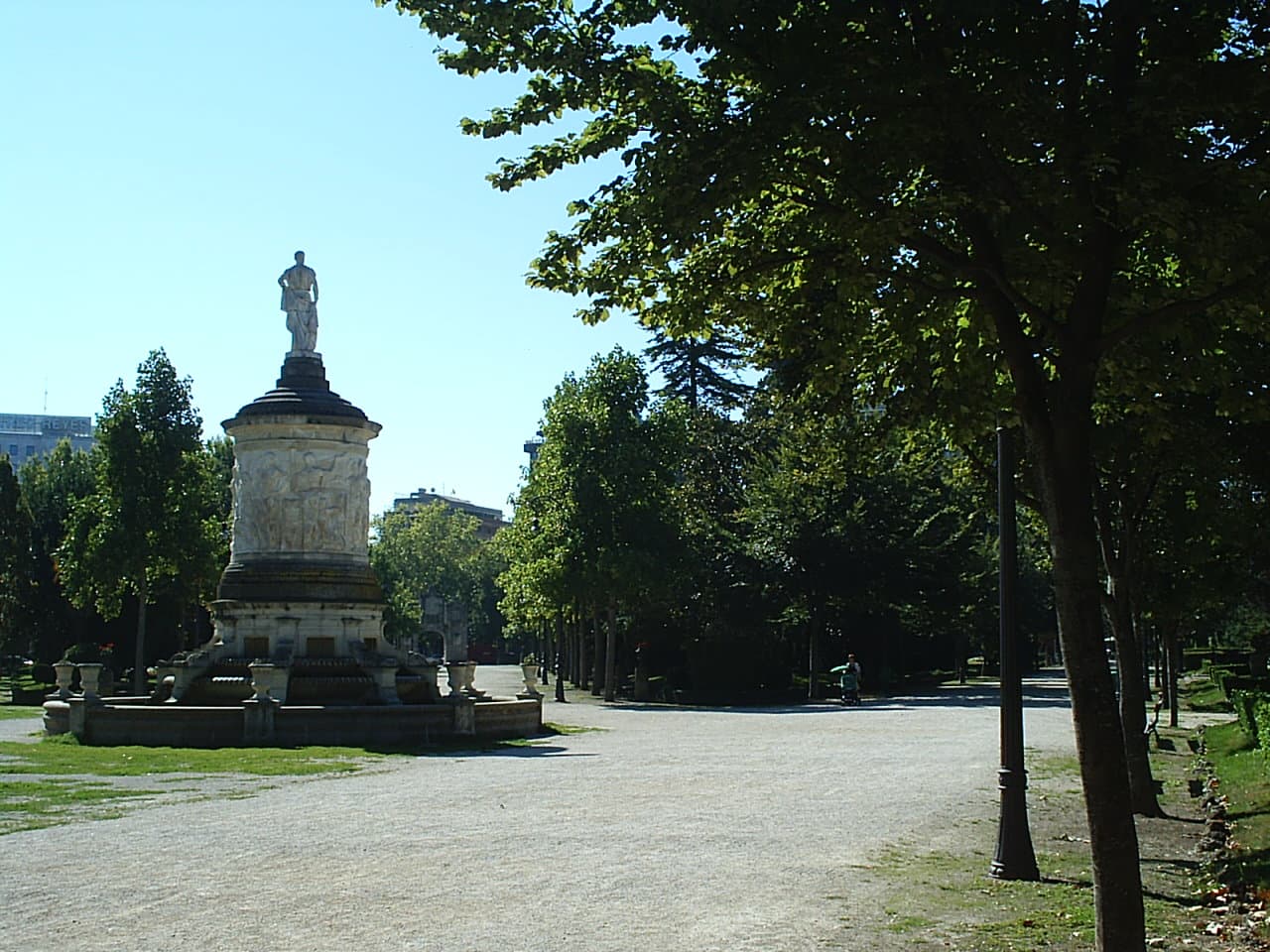 Wikipedia (es) - CC BY-SA
Taconera Park
Nature
Pamplona's romantic park, nestled against the ramparts, with moats inhabited by free-roaming deer and peacocks. Locals come here on Sunday mornings to read, far from the tourist trail.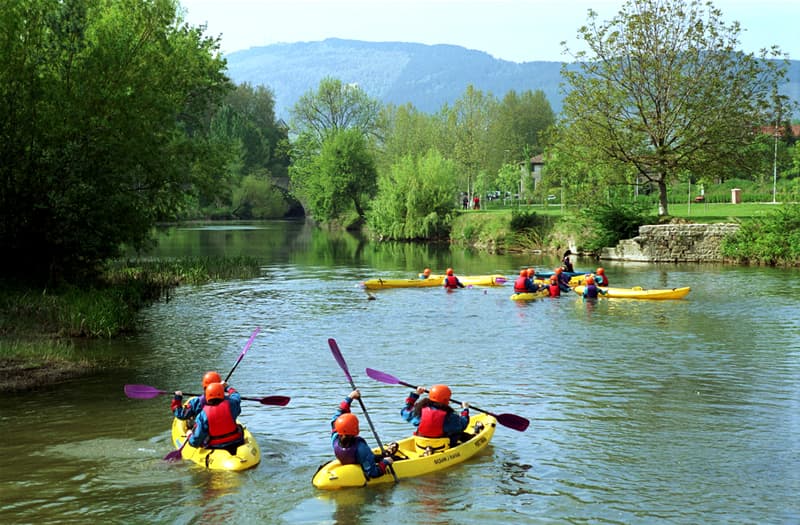 Wikipedia (es) - CC BY-SA
Arga River Park
Nature
A verdant corridor stretching several kilometres along the Arga river, with cycling and walking paths at the foot of the ramparts. The finest vantage point for viewing the old city from an unexpected angle.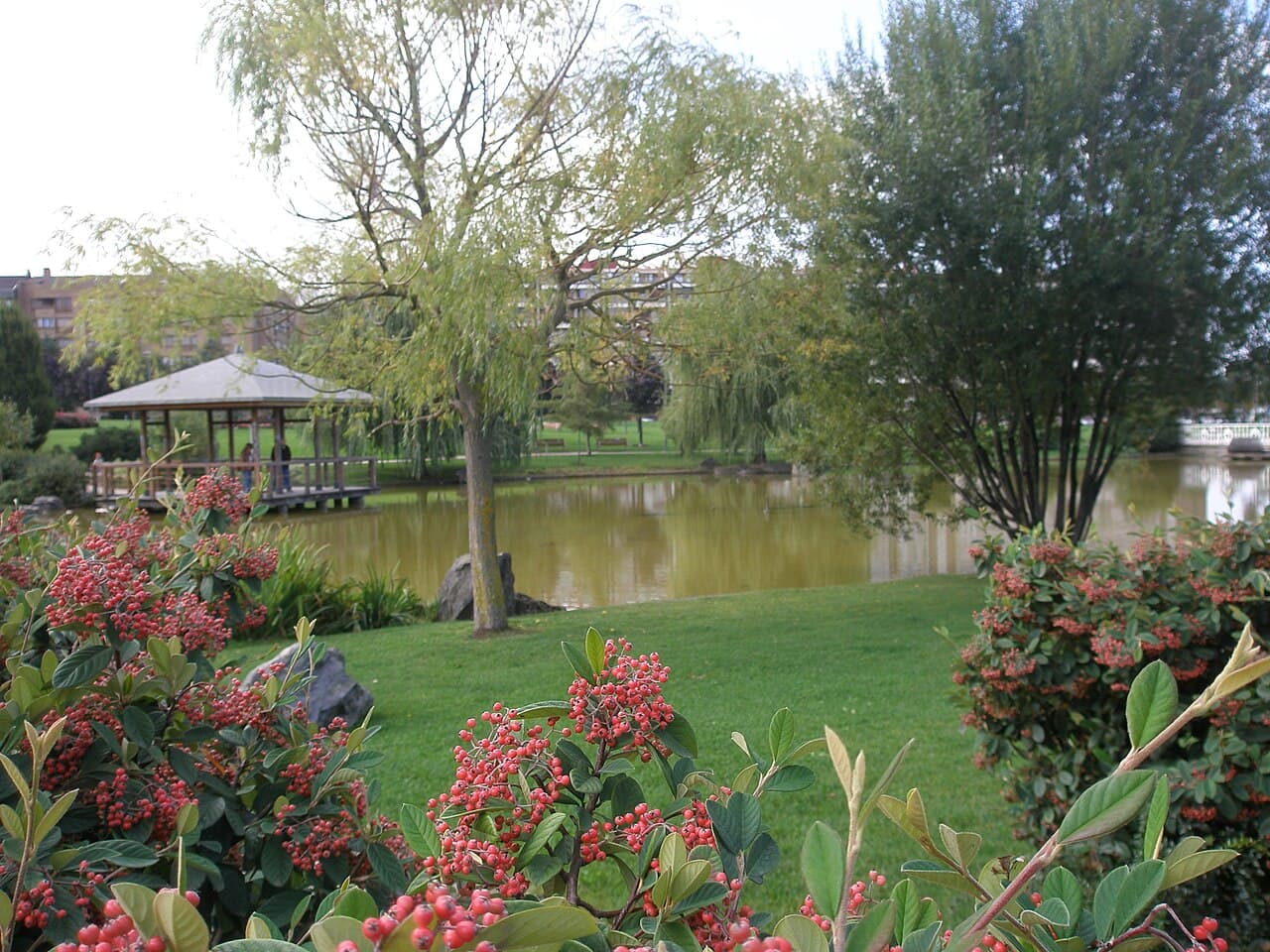 Wikipedia (es) - CC BY-SA
Yamaguchi Park
Nature
A grand wooded park on the city's west side, a gift from Pamplona's Japanese sister city of Yamaguchi. Perfect for running or picnicking away from the tourist crowds, featuring an authentic Japanese garden.Parque de Antoniutti
Nature
A residential park beloved by Pamplona families for its play areas, fountains and neighbourhood atmosphere. Away from tourist circuits, this is where you witness Pamplona's daily rhythms unfold.Viewpoints (2)
White Horse Viewpoint
Viewpoint
Suspended belvedere on the ramparts offering the finest vista of the city overlooking the Arga meanders and Navarrese plain. Unknown to most tourists yet cherished by local photographers at golden hour.Monte San Cristóbal
Viewpoint
Hill dominating Pamplona at 670 metres, reachable on foot from the city in under an hour. The panoramic view across the Pyrenees and Navarrese plains amply rewards the effort.Activities (4)
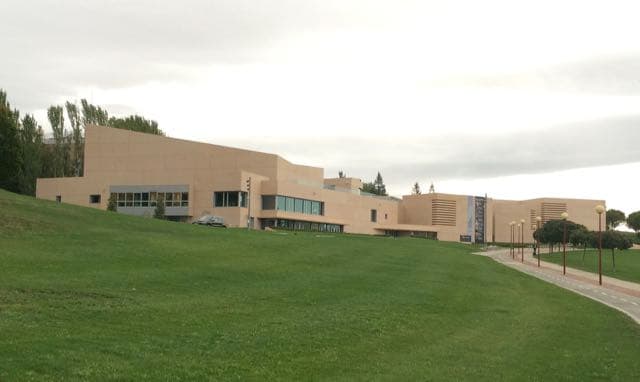 Wikipedia (es) - CC BY-SA
Museo Universidad de Navarra
Activity
Contemporary art museum designed by Rafael Moneo on the university campus, opened in 2016. The permanent collection features Rothko, Bacon and leading Spanish contemporary artists within a striking architectural edifice. Wikipedia (es) - CC BY-SA
Pamplona Bullring
Activity
One of the world's most celebrated bullrings, built in 1922 and seating 19,000 spectators. The bullfighting museum inside traces the history of the Sanfermines with period posters and costumes. Wikipedia (es) - CC BY-SA
Encierro Route (Calle Estafeta)
Activity
Calle Estafeta is the main artery of the Sanfermines bull-run circuit. Outside July, walking this historic route gives a striking sense of the scale and madness of the event.Citadel of Pamplona
Activity
A striking 16th-century star fortress, now a public park and cultural venue. The verdant moats and bastions make for pleasant strolling, whilst open-air concerts are held regularly throughout the year.More to discover (2)
 Wikipedia (es) - CC BY-SA
Barrio de la Rochapea
Place
A spirited neighbourhood beyond the Santa Engracia bridge, long overlooked by tourists. Cheaper pintxo bars, striking murals and a Sunday market reveal the authentic everyday life of Pamplona away from the crowds.Calle Navarrería
Place
Pamplona's oldest street and the backbone of its medieval quarter. Stone façades, independent bookshops and traditional cider bars make it the ideal place to experience the authentic heartbeat of the old town.