TOURISM · ESTONIA
What to visit in Estonia?
1 city · 25+ places selected by the community. Landmarks, hidden restaurants, nature and viewpoints.
The country
Estonia has 2,317 islands and more than 3,500 km of coastline; the largest island, Saaremaa, is bigger than the whole of Luxembourg. Nature reserves cover 23% of the country.
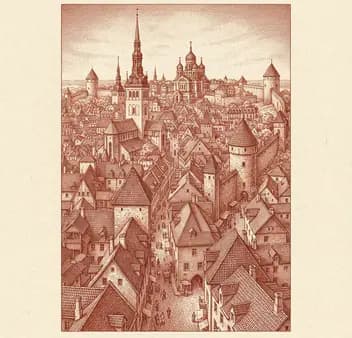
Tallinn's Old Town, which grew up in the 13th century around a castle of the Teutonic Knights and became a major centre of the Hanseatic League, has been on the UNESCO World Heritage List since 1997.
Good to know
Before you go
When to go
In Tallinn, the average temperature ranges from −3.6°C in February, the coldest month, to 17.6°C in July (1991-2020 normals); in Tartu, from −4.4°C to 18.0°C. On the western islands, winter is milder: at Vilsandi, the February average is −1.4°C, and August is as warm as July.
Between winter and spring, snowmelt causes flooding every year, the "fifth season", best seen in Soomaa National Park. From mid-July to October, bogs and forests are full of berries and mushrooms.
Getting around
For Saaremaa, the usual route is to take the ferry to the island of Muhu, a crossing of about 27 minutes, on foot, by car or by bike, then continue to Saaremaa over the Väinatamm causeway.
Hozy tip
The freedom to roam lets you move about and pick berries, mushrooms and unprotected plants, including on private land that is neither fenced nor signposted, unless the owner forbids it. You can camp there for 24 hours, out of sight and earshot of homes; beyond that, or to light a fire, you need the owner's permission, and fenced or signposted land always requires it.
CITIES
Featured cities
The cities with the most places recommended by the community.

1 city
All cities
Frequently asked questions
Visiting Estonia, in practice
Which cities should I visit in Estonia?
Hozy lists 1 city in Estonia: Tallinn. Each city offers landmarks, hidden restaurants, viewpoints and activities selected by the community.
How many days should I plan in Estonia?
A 5 to 10 day trip lets you discover 2 to 3 major cities in Estonia. For a full tour of the country, plan at least 2 weeks.
When is the best season to visit Estonia?
In Tallinn, the average temperature ranges from −3.6°C in February, the coldest month, to 17.6°C in July (1991-2020 normals); in Tartu, from −4.4°C to 18.0°C. On the western islands, winter is milder: at Vilsandi, the February average is −1.4°C, and August is as warm as July. Between winter and spring, snowmelt causes flooding every year, the "fifth season", best seen in Soomaa National Park. From mid-July to October, bogs and forests are full of berries and mushrooms.
Other destinations
Explore other countries
- France108 cities
- Italy62 cities
- Spain58 cities
- United Kingdom51 cities
- Portugal48 cities
- Belgium37 cities
- Germany16 cities
- Croatia10 cities






Sources · consulted on September 27, 2026
- Visit Estonia (national tourist board): interesting facts about Estonia
- UNESCO World Heritage Centre: Historic Centre (Old Town) of Tallinn
- Estonian Weather Service: 1991-2020 air temperature normals
- Visit Estonia: Saaremaa, Estonia's largest island
- RMK (national forest management centre): the right to roam