🇭🇺Hungary · Places to discover
What to see in Pécs?
23 places selected by the community - landmarks, nature, hidden restaurants and activities.
Landmarks & heritage
3 places
 1Wikimedia Commons · CC BY-SA 3.0
Landmark
Early Christian Mausoleum, Pécs
A 4th-century necropolis and UNESCO World Heritage site, featuring burial chambers adorned with remarkably preserved early Christian frescoes. This rare testament to Late Antiquity offers invaluable insight into the period across Europe.
- 2
Landmark
Landmark
University of Pécs—Historic Campus
Hungary's oldest university, founded in 1367, whose historic campus blends neo-Gothic and Art Nouveau buildings. A walk through its courtyards captures the profoundly academic and intellectual character of the city.
- 3
Landmark
Landmark
Ottoman Town Wall and Barbican Tower
The sole intact remnant of Pécs's Ottoman fortifications, this 16th-century tower presides over a quiet, often-overlooked quarter. Climb the rampart walkway for sweeping views across the old town's rooftops.
Museums
4 places
- 4
Museum
Museum
Vasarely Museum of Pécs
A museum dedicated to Victor Vasarely, father of Op Art and Pécs native, housed in a Baroque building in the historic centre. His kinetic works and optical illusions remain as striking today as when first created.
- 5
Museum
Museum
Pécs Modern and Contemporary Art Gallery (JPTE Galéria)
Exhibition space dedicated to contemporary Hungarian and international art, often overlooked in favour of larger museums. The temporary exhibitions here are surprisingly accomplished for a city of this size.
- 6
Museum
Museum
Csontváry Museum
Dedicated to visionary painter Tivadar Csontváry Kosztka, dubbed the 'Hungarian Van Gogh', this museum displays his monumental mystical canvases within a restrained setting that perfectly complements them. Essential for grasping Pécs's artistic essence.
- 7
Museum
Museum
Zsolnay Museum
Housed within the former Zsolnay manufactory, this museum charts the history of the celebrated eosin porcelain that brought Pécs international acclaim. Art Nouveau pieces with iridescent metallic sheens are simply breathtaking.
Religious sites
4 places
 8Wikimedia Commons
Religious site
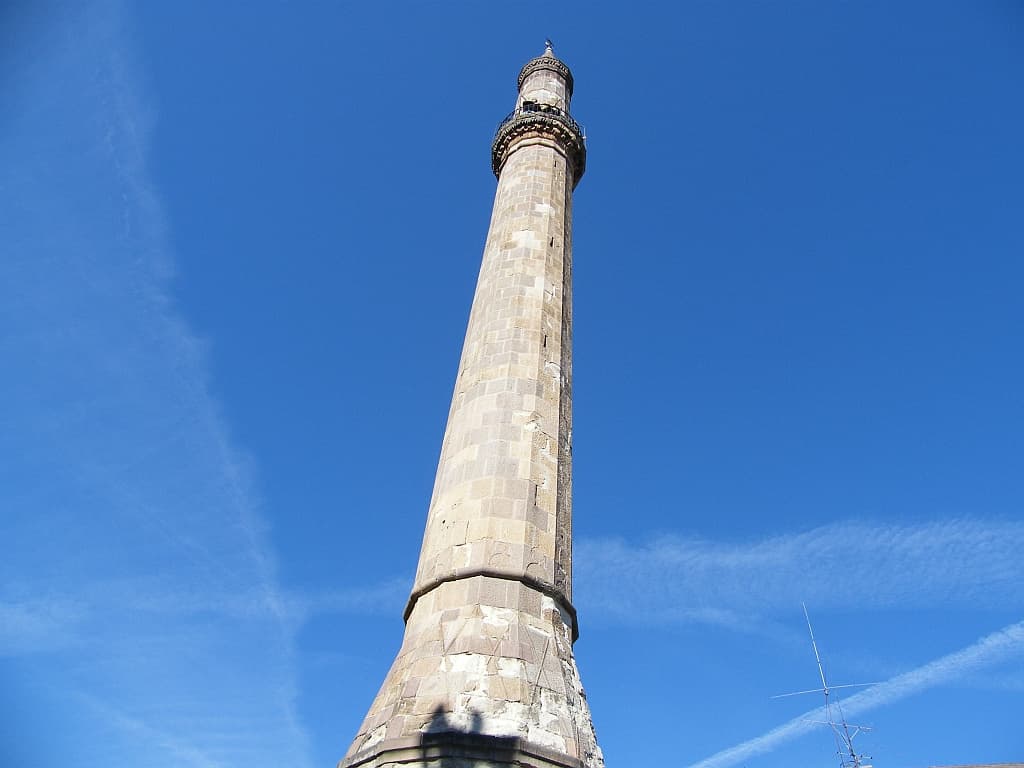
Mosque of Pasha Jakováli Hassan
A 16th-century Ottoman mosque with its original minaret still standing—Hungary's best-preserved example of its kind. Less crowded than its grander counterpart on the main square, it maintains an authentic, contemplative atmosphere.
 9Wikimedia Commons · CC BY-SA 4.0
Religious site
Mosque of Pasha Gazi Kaszim
Hungary's largest Ottoman mosque, later converted into a Catholic church following Christian reconquest. The interior uniquely merges an Islamic mihrab with a Baroque altar—a singular coexistence in Central Europe.
 10Wikimedia Commons · CC BY-SA 3.0
Religious site
Cathedral of St Peter, Pécs
Basilica with four towers dominating the cityscape, founded in the 11th century atop early Christian ruins. Romanesque crypts and 19th-century Neo-Romanesque frescoes encapsulate Hungarian history within its walls.
- 11
Religious site
Religious site
Neological Synagogue, Pécs
An outstanding Neo-Moorish architectural gem completed in 1869, among Hungary's finest synagogues. Ornate oriental interiors and a stained-glass rose window echo the city's once-thriving Jewish community.
Nature
3 places
 12Wikimedia Commons · CC BY-SA 3.0
Nature
Tubes Nature Reserve – Mecsek
Marked trails through oak and beech forest in the Mecsek, dotted with secret viewpoints over the plain. Locals come here to forage for mushrooms in autumn and wild daffodils in spring.
- 13
Nature
Nature
Pécs Cable Car (Libegő)
Retro chairlift connecting the residential quarter of Pécs to the Misina summit since 1970. A quintessentially Hungarian experience, popular with local families at weekends, with views over the city's red-tiled roofs.
- 14
Nature
Nature
Mecsek Forest – Tettye Trail
Ruins of a 16th-century episcopal palace nestled within Mecsek Forest, a 15-minute walk from the centre. The Tettye plateau offers panoramic views over Pécs and serves as the ideal starting point for exploring the wooded hills.
Parks & gardens
1 place
- 15
Park
Park
Széchenyi Park (Sétatér)
The green lung of the city centre, with shaded avenues, a duck pond and benches where locals play chess. A thoroughly Hungarian park, far removed from the tourist bustle of the main square.
Viewpoints
4 places
 16Wikimedia Commons
Viewpoint
Király Street
Pécs's main pedestrian thoroughfare, lined with 19th-century facades housing independent shops, galleries and cafés. Less commercialised than Budapest's pedestrian streets, it retains an authentic Hungarian provincial charm.
 17Wikimedia Commons · CC BY-SA 1.0
Viewpoint
Széchenyi Square
The beating heart of the old town, anchored by a grand Ottoman mosque surrounded by Baroque facades and pavement cafés. Come evening, locals gather for the séta, the traditional Hungarian evening promenade—a custom still very much alive.
- 18
Viewpoint
Viewpoint
Belvárosi Cemetery
A 19th-century historical cemetery holding the graves of Pécs's great families, including the Zsolnays, adorned with eosin porcelain tiles. A poignant place of memory, cherished by locals for contemplative walks.
- 19
Viewpoint
Viewpoint
Misina Hill Park and TV Tower
The highest point in the Mecsek hills (535 m) crowned by a television tower offering 360° views across the Pannonian plain on clear days. The historic cable car (libegő) to reach the summit is an experience in itself.
Activities
4 places
 20Wikimedia Commons · CC BY-SA 4.0
Activity
National Theatre of Pécs
A major cultural institution housed in a striking 19th-century Neo-Baroque building. The theatre presents a vibrant programme of opera, ballet and drama—ticket prices are remarkably reasonable compared to those in major European capitals.
- 21
Activity
Activity
Pécs Thermal Baths
An open-air thermal complex with naturally heated pools, frequented by locals rather than tourists. Perfect for unwinding after a long day exploring the Mecsek hills.
- 22
Activity
Activity
Pécs Covered Market (Vásárcsarnok)
The real market of the locals, bustling from dawn as regional growers set up stalls. Charcuterie, fresh paprika, sheep's cheese and local pastries — ideal for assembling a picnic or simply getting a sense of the city's pulse.
- 23
Activity
Activity
Zsolnay Cultural Quarter
The historic Zsolnay manufactory reimagined as a creative hub, brimming with artist studios, galleries, cafés and event spaces. Luminescent eosin tiles illuminate the alleyways after dark, casting a magical spell.
Also 🇭🇺 in Hungary