TOURISM · ICELAND
What to visit in Iceland?
2 cities · 41+ places selected by the community. Landmarks, hidden restaurants, nature and viewpoints.

The country
At Þingvellir National Park, the Althing, the assembly representing the whole of Iceland, met from around 930 to 1798; the site has been on the UNESCO World Heritage List since 2004. Vatnajökull National Park, listed in 2019, covers nearly 14% of the country and has ten central volcanoes, eight of them beneath the ice. The island of Surtsey, formed by volcanic eruptions from 1963 to 1967 and protected from its birth, has been listed since 2008.
Good to know
Before you go
When to go
Highland roads (F-roads) are usually closed from mid-September until June or July. To see the northern lights you need dark and at least partly clear skies: the Icelandic Meteorological Office publishes forecasts of auroral activity and cloud cover.
The year 2025 was the warmest ever recorded in Iceland, with a national average temperature of 5.2°C, 1.1°C above the 1991-2020 average.
Getting around
On F-roads you have to cross unbridged rivers, and not every 4x4 is suitable for every route. Off-road driving is strictly forbidden: driving on an F-road or a gravel road is allowed, leaving it is not.
Hozy tip
Before setting off, check every day on umferdin.is whether roads and tracks in the area are open, and look at Safetravel's alerts. In 2026, Safetravel gives an alternative emergency number, 599-0112, if a call to 112 does not go through because of the 2G and 3G shutdown.
CITIES
Featured cities
The cities with the most places recommended by the community.
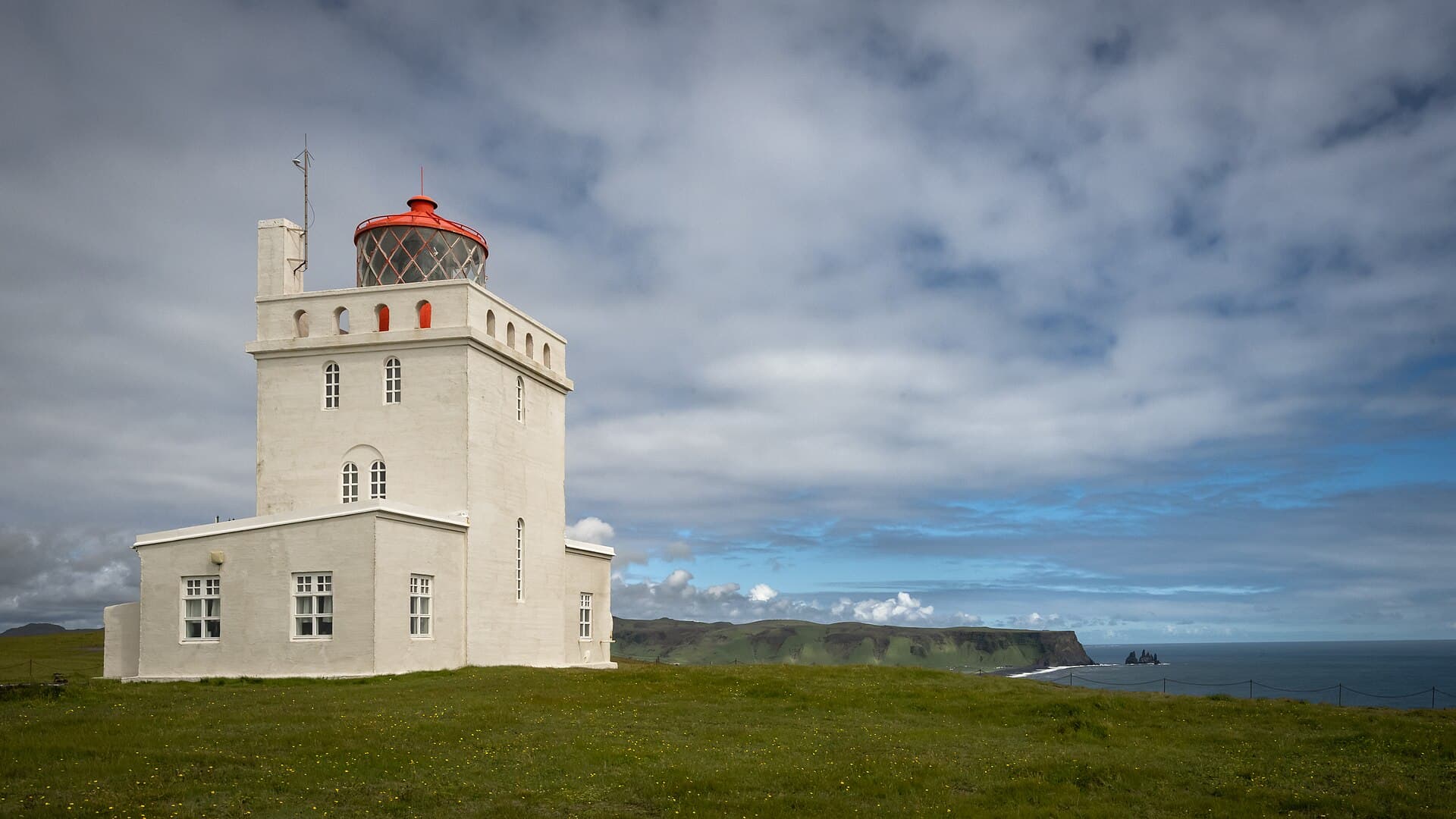
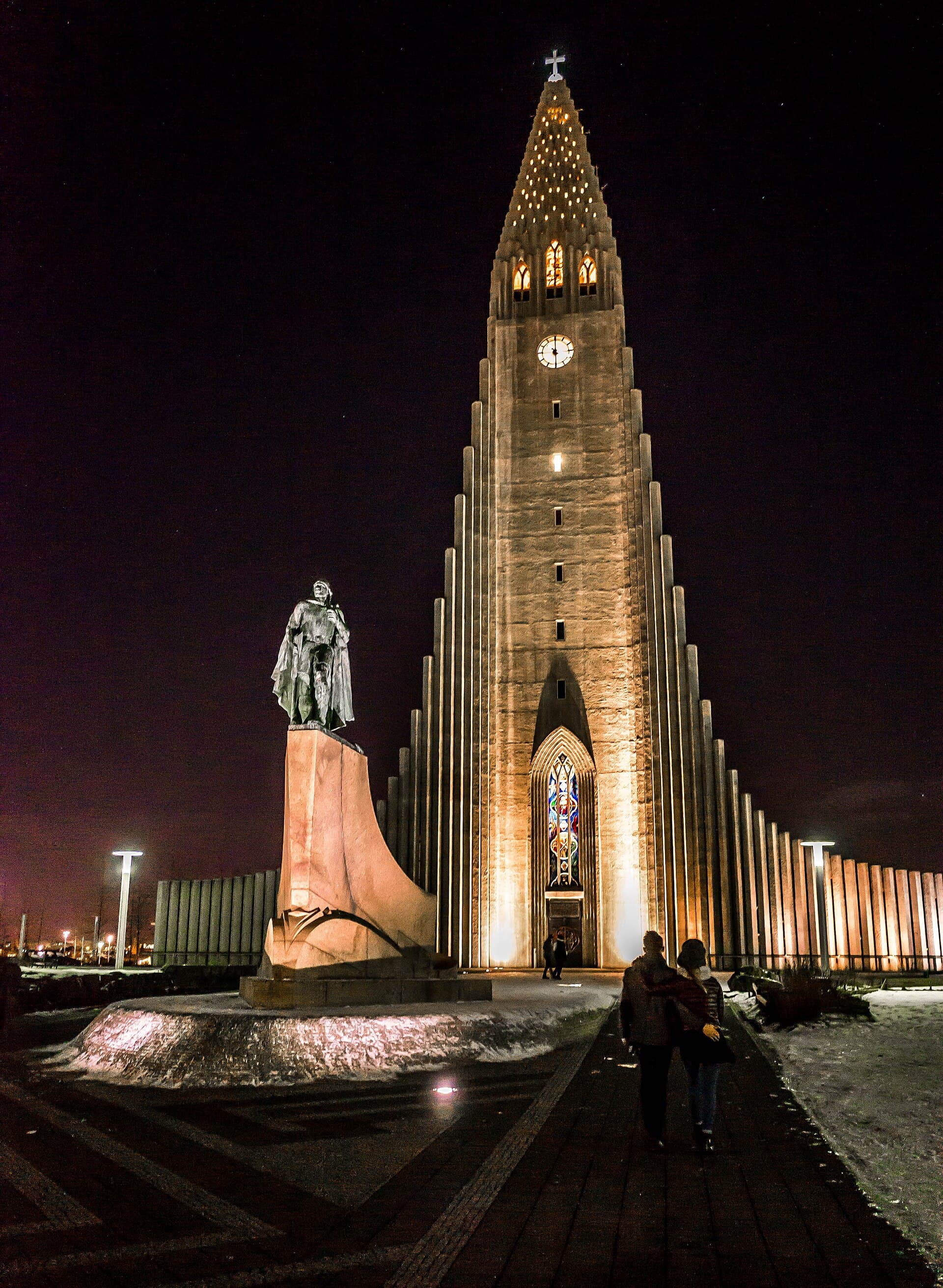
2 cities
All cities
Frequently asked questions
Visiting Iceland, in practice
Which cities should I visit in Iceland?
Hozy lists 2 cities in Iceland: Reykjavik, Vík. Each city offers landmarks, hidden restaurants, viewpoints and activities selected by the community.
How many days should I plan in Iceland?
A 5 to 10 day trip lets you discover 2 to 3 major cities in Iceland. For a full tour of the country, plan at least 2 weeks.
When is the best season to visit Iceland?
Highland roads (F-roads) are usually closed from mid-September until June or July. To see the northern lights you need dark and at least partly clear skies: the Icelandic Meteorological Office publishes forecasts of auroral activity and cloud cover. The year 2025 was the warmest ever recorded in Iceland, with a national average temperature of 5.2°C, 1.1°C above the 1991-2020 average.
Other destinations
Explore other countries
- France108 cities
- Italy62 cities
- Spain58 cities
- Portugal48 cities
- United Kingdom38 cities
- Belgium37 cities
- Germany16 cities
- Scotland13 cities




Sources · consulted on September 27, 2026
- UNESCO World Heritage Centre: Þingvellir National Park
- UNESCO World Heritage Centre: Vatnajökull National Park
- UNESCO World Heritage Centre: Surtsey
- Safetravel (Icelandic rescue association): driving in the highlands
- Icelandic Meteorological Office: aurora forecasts
- Icelandic Meteorological Office: the weather in Iceland in 2025