TOURISM · LITHUANIA
What to visit in Lithuania?
1 city · 24+ places selected by the community. Landmarks, hidden restaurants, nature and viewpoints.

The country
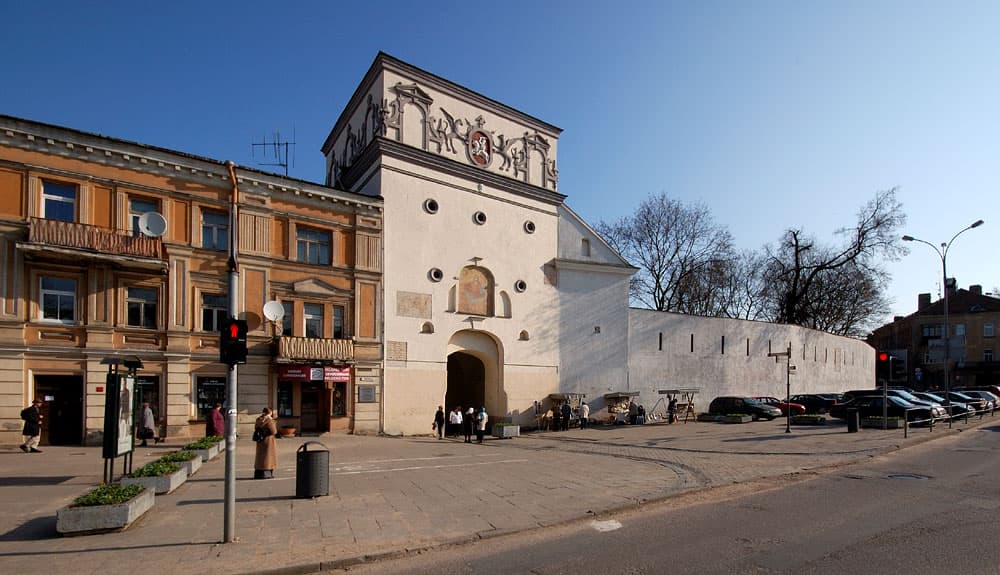
Vilnius Historic Centre, the political centre of the Grand Duchy of Lithuania from the 13th to the end of the 18th century, has preserved a group of Gothic, Renaissance, Baroque and classical buildings as well as its medieval layout; it has been on the UNESCO World Heritage List since 1994.
On the Baltic, the Curonian Spit, a landscape of sand dunes shared with Russia and preserved through constant efforts against erosion, has been listed since 2000. In 2023, UNESCO added Modernist Kaunas, the architecture of optimism from 1919 to 1939.
Good to know
Before you go
When to go
According to the Lithuanian Hydrometeorological Service's 1991-2020 normals, July is the warmest month (18.3°C on average) and January the coldest (−2.9°C). July is also the wettest month (84 mm), and April the driest (37 mm). Only the Baltic coastal strip has a climate closer to that of Western Europe.
Getting around
LTG Link trains carried almost 6 million passengers in 2025; the Vilnius – Kaunas and Vilnius – Klaipėda routes are among the busiest.
Hozy tip
In Vilnius, in the Užupis district, the constitution of the "republic" of Užupis is displayed on Paupio Street: translated into more than 50 languages, each on its own plaque, it can be read as you stroll by.
CITIES
Featured cities
The cities with the most places recommended by the community.
1 city
All cities
Frequently asked questions
Visiting Lithuania, in practice
Which cities should I visit in Lithuania?
Hozy lists 1 city in Lithuania: Vilnius. Each city offers landmarks, hidden restaurants, viewpoints and activities selected by the community.
How many days should I plan in Lithuania?
A 5 to 10 day trip lets you discover 2 to 3 major cities in Lithuania. For a full tour of the country, plan at least 2 weeks.
When is the best season to visit Lithuania?
According to the Lithuanian Hydrometeorological Service's 1991-2020 normals, July is the warmest month (18.3°C on average) and January the coldest (−2.9°C). July is also the wettest month (84 mm), and April the driest (37 mm). Only the Baltic coastal strip has a climate closer to that of Western Europe.
Other destinations
Explore other countries
- France108 cities
- Italy62 cities
- Spain58 cities
- Portugal48 cities
- United Kingdom38 cities
- Belgium37 cities
- Germany16 cities
- Scotland13 cities







Sources · consulted on September 27, 2026
- UNESCO World Heritage Centre: Vilnius Historic Centre
- UNESCO World Heritage Centre: Lithuania (list of sites, including the Curonian Spit and Modernist Kaunas)
- Lithuanian Hydrometeorological Service (Meteo.lt): 1991-2020 climate normals
- Meteo.lt: climate regions of Lithuania
- LTG (Lithuanian Railways): almost 6 million passengers on LTG Link trains in 2025
- Go Vilnius (Vilnius tourist office): the constitution of Užupis